

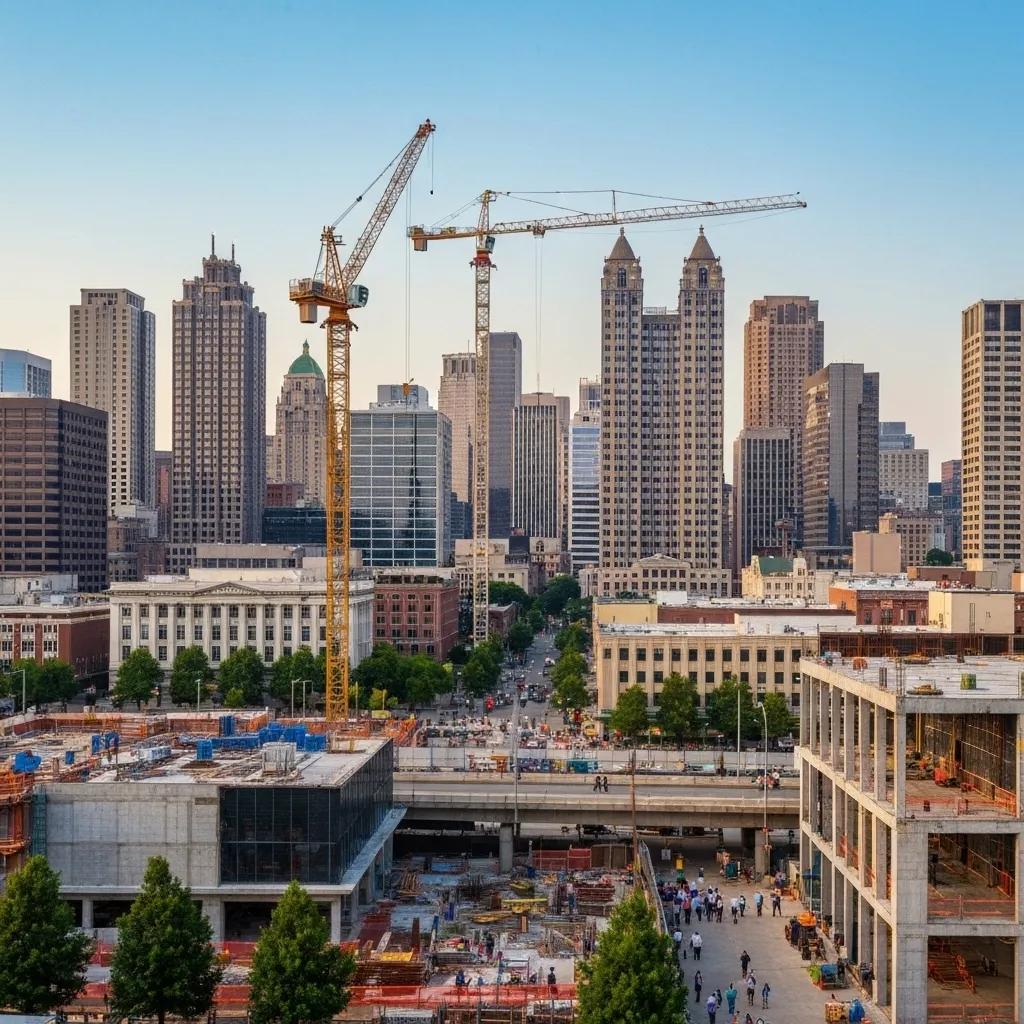
Atlanta’s skyline is a testament to its dynamic evolution, where historic character meets forward-thinking innovation. This necessitates structural designs that masterfully balance ambitious aesthetics with unwavering resilience. This comprehensive guide delves into the structural design methods prevalent in Atlanta, offering sharp insights into both time-tested and pioneering techniques. We’ll explore climate-specific adaptations, strategic system selections, the integration of sustainability, navigating regulatory landscapes, and optimizing project workflows. Whether you’re an architect envisioning the perfect frame or a developer planning a towering structure, you’ll gain a clear understanding of how local experts engineer safe, efficient buildings—and how you can tap into Strut Engineering & Investment’s tailored consultation services for your next venture.
In this exploration, we will cover:
Infuse your upcoming construction with local expertise by grasping Atlanta’s proven design methodologies and engaging specialized services early in your planning journey.
Structural design in Atlanta is rooted in principles that guarantee safety, functionality, and economic viability. Foundational load-bearing and framing techniques establish baseline performance, while sophisticated computational and performance-based designs tackle intricate geometries and multifaceted urban demands. Leading firms, such as Strut Engineering & Investment’s Structural Engineering Services Greater Atlanta GA, expertly deploy both prescriptive code-based approaches and bespoke finite element analyses to refine member dimensions, connection details, and material utilization across residential, commercial, and public sector projects.
Transitioning from established frameworks to innovative workflows naturally leads us to examine how enduring practices coexist with modern advancements.

Traditional design in Atlanta centers on clearly defined load paths, inherent structural redundancy, and construction methods that have stood the test of time. Engineers meticulously calculate gravitational loads, lateral forces, and material capacities using universally recognized formulas. For instance, reinforced concrete shear walls and robust steel moment frames effectively channel loads through vertical and horizontal components, preserving structural integrity during everyday use. These time-honored methods enhance reliability by incorporating the safety factors mandated by the International Building Code (IBC) and its local amendments.
By grounding designs in proven procedures, project teams ensure predictable performance before integrating newer technologies like parametric modeling.
Contemporary structural design in Atlanta increasingly embraces Performance-Based Design (PBD) and Building Information Modeling (BIM). PBD empowers engineers to simulate a building’s response under extreme conditions—such as seismic activity, high winds, or blast impacts—allowing for precise refinement of member sizes and connection details to meet specific performance objectives. BIM platforms streamline the process of clash detection, real-time material quantity estimation, and interdisciplinary coordination, effectively minimizing constructability challenges and accelerating project timelines.
These sophisticated workflows pave the way for selecting materials that align perfectly with both performance aspirations and sustainability goals.
The choice of materials profoundly impacts a structure’s weight, strength, longevity, and overall cost. In Atlanta’s diverse construction landscape, prevalent materials include:
A careful comparison of these attributes guides designers in harmonizing structural performance with architectural vision and budgetary constraints.
Atlanta’s humid subtropical climate, punctuated by occasional severe weather events, significantly shapes structural design requirements. The pervasive high humidity can accelerate corrosion in steel components, while intense rainfall and the threat of tornadoes necessitate stringent considerations for drainage and lateral force resistance. A keen awareness of these climatic challenges is crucial for ensuring the enduring safety and longevity of structures subjected to local environmental stresses.
Addressing these factors proactively during the design phase is key to extending a structure’s service life and minimizing future maintenance expenses. Meticulous waterproofing details and the application of corrosion-resistant coatings become indispensable elements of resilient design.
While Atlanta is not situated in a high-seismic zone, structural designs must still robustly account for moderate ground accelerations. Engineers integrate ductile connections and continuous load paths designed to effectively dissipate energy during seismic events. For wind loads—particularly critical in high-rise developments—the implementation of tuned mass dampers or strategic aerodynamic shaping helps mitigate vortex shedding and minimize occupant discomfort. Structural members often undergo rigorous wind tunnel testing or computational fluid dynamics (CFD) simulations to confirm their performance under the specific wind conditions prevalent in the region.
Ensuring compliance with design wind speeds seamlessly transitions into understanding how local codes formally codify these essential requirements.
Atlanta operates under the framework of the International Building Code (IBC), augmented by specific local amendments found within the Georgia State Minimum Standard Codes.
The City of Atlanta rigorously enforces building codes to guarantee the implementation of safe construction techniques, thereby safeguarding public safety, health, and overall well-being. Building permits are issued as a means to uphold stringent standards for structural strength and stability, safe means of egress, and protection from various hazards.
City of Atlanta – Learn about Zoning & Building Codes | Atlanta, GA
Key chapters that significantly influence structural design include:
Design teams must meticulously integrate these code provisions from the outset, securing third-party inspections and specialized certifications to formally affirm compliance. Proper alignment with building codes significantly streamlines the permitting process and minimizes costly revision cycles.
The selection of a structural system involves a careful balancing act between the project’s specific type, its intended height, the available budget, and the desired architectural expression. Atlanta’s construction sector frequently utilizes steel frames, concrete cores, and innovative hybrid assemblies across a broad spectrum of applications—from multi-family mid-rise buildings to expansive industrial warehouses.
Steel frame systems are renowned for their exceptional strength and predictable ductility. Their inherent lightweight nature translates to reduced foundation loads, and the use of prefabricated connections significantly accelerates erection schedules. The uniform material properties of steel facilitate highly precise structural modeling and efficient off-site fabrication, which in turn minimizes on-site labor requirements and mitigates weather-related construction delays.
A thorough understanding of steel’s performance characteristics under Atlanta’s specific humidity conditions is crucial for specifying appropriate protective coatings and establishing effective maintenance protocols, thereby ensuring long-term structural durability.
Concrete systems, encompassing both cast-in-place and precast elements, offer substantial advantages in terms of mass, stiffness, and inherent fire resistance. Their thermal mass properties contribute to passive temperature regulation, effectively lowering energy demands for heating and cooling systems. Precast concrete panels expedite the construction process and enhance overall quality control, while in-situ poured concrete allows for the creation of monolithic diaphragms that significantly bolster resistance to seismic forces and wind loads.
Concrete’s remarkable compressive strength, coupled with the ready availability of local materials, often results in a highly competitive cost-effectiveness for low- to mid-rise construction projects.
Engineered timber and hybrid structural designs represent a sophisticated integration of wood, steel, and concrete, aimed at achieving ambitious sustainability and aesthetic objectives. Cross-laminated timber (CLT) panels allow for remarkably rapid installation, while precisely engineered steel connectors ensure robust and reliable load transfer. Hybrid systems are particularly well-suited for hospitality, educational, and office environments where exposed timber elements can significantly enhance occupant well-being and contribute to achieving green building certifications.
These advanced systems necessitate meticulous detailing for effective moisture protection and robust fire safety measures, skillfully bridging ambitious sustainability goals with unwavering structural integrity.
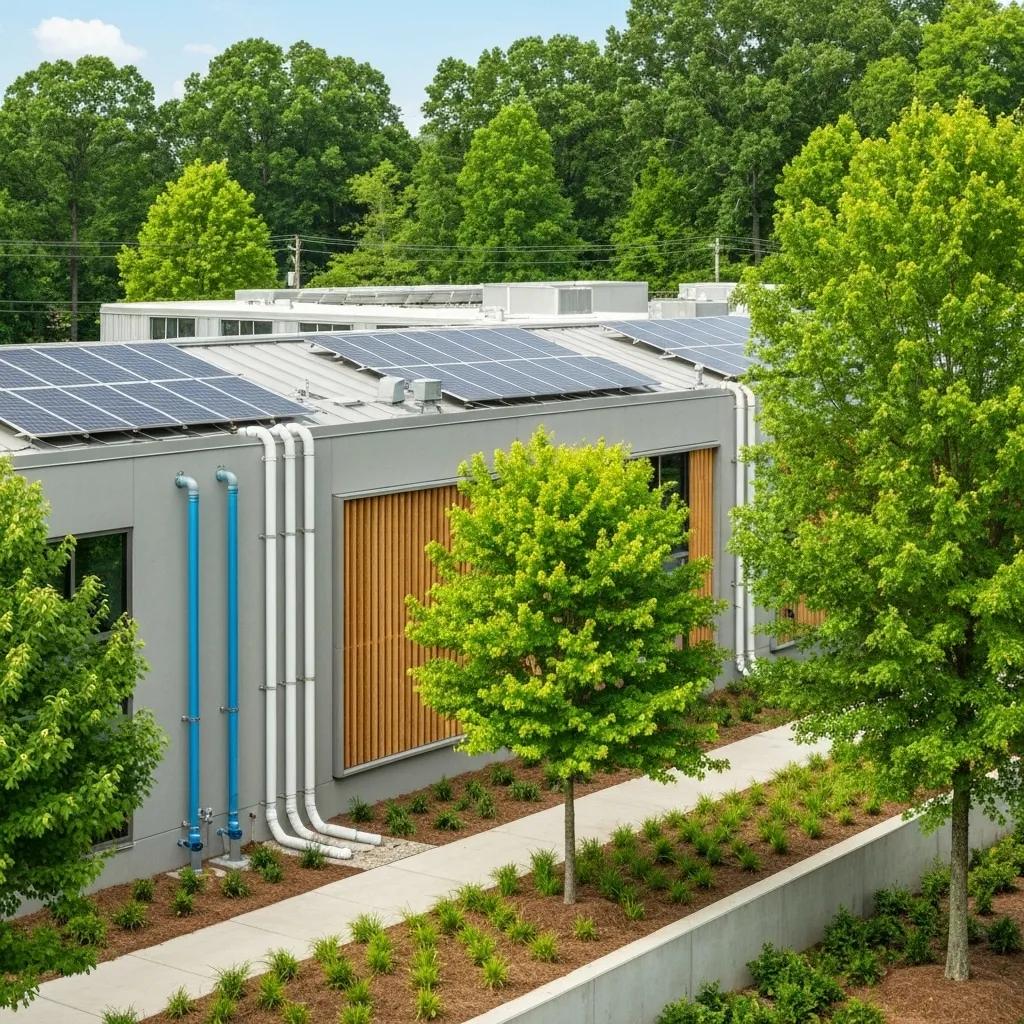
Sustainable structural design is fundamentally about minimizing environmental impact, particularly in terms of carbon footprints and operational energy consumption. Engineers strategically employ life-cycle assessments and embodied carbon calculations to meticulously select materials and systems that align with leading green building standards, such as LEED and WELL.
Atlanta is increasingly prioritizing sustainable architectural design, with professionals actively integrating energy-efficient systems and renewable materials into their projects. The city boasts numerous exemplary green building initiatives, including the Atlanta Botanical Garden’s visitor center, which impressively incorporates solar power generation and advanced rainwater harvesting systems.
Sustainable Architectural Design: Building a Greener Atlanta
The strategic integration of these materials not only fosters environmental responsibility but also effectively meets stringent performance requirements.
The creation of energy-efficient structural envelopes relies on the synergistic combination of thermal breaks and optimized insulation integrated directly within framing systems. Lightweight steel frames, when paired with continuous insulation layers, effectively minimize thermal bridging. The inherent thermal mass of concrete cores and timber structures helps to moderate indoor temperature fluctuations, thereby reducing the operational load on HVAC systems. Consequently, structural design decisions play a direct and significant role in achieving a building’s overall energy performance targets.
Atlanta is home to several landmark green building projects. These include innovative mixed-use towers featuring cross-laminated timber floors and striking recycled steel exoskeletons, as well as thoughtful renovation projects that ingeniously repurpose historic masonry facades, providing them with support from newly integrated steel frames. These compelling case studies powerfully illustrate how pioneering structural methodologies can be instrumental in achieving ambitious net-zero energy goals and significantly enhancing occupant well-being.
The crucial considerations of sustainability naturally lead into the procedural steps required to bring these complex and innovative designs to fruition.
The structural design process in Atlanta unfolds through a series of distinct, carefully managed phases, commencing with initial analysis and culminating in final approvals. Each stage is meticulously executed to ensure that the final designs not only meet the project’s specific objectives but also rigorously adhere to all applicable code mandates and performance benchmarks.
The critical process of site analysis begins with comprehensive geotechnical investigations designed to precisely determine soil properties, ascertain groundwater levels, and establish bearing capacities. Engineers then meticulously assess topography, identify potential environmental constraints, and map existing utility infrastructure to inform the selection of appropriate foundation typologies—which can range from simple shallow footings to complex deep pile systems. Accurate and thorough site data serves as the essential foundation upon which all structural schemes are realistically based.
Load calculation is the cornerstone of structural design, defining all anticipated gravity loads (both dead and live), lateral forces (stemming from wind and seismic activity), and environmental loads (such as snow or flood impacts). By applying code-mandated safety factors, engineers precisely size beams, columns, and bracing systems to ensure that adequate safety margins are maintained. Preliminary load estimations play a vital role in shaping initial material selections and the overall structural concept before detailed design work commences.
Sophisticated finite element models are employed to simulate stress distribution, predict deflections, and analyze dynamic responses under a wide array of load scenarios. Building Information Modeling (BIM) platforms seamlessly integrate these analytical capabilities, facilitating rapid design iterations and enabling effective clash detection with mechanical, electrical, and plumbing (MEP) systems. These advanced simulation tools are indispensable for validating performance objectives—such as drift limits and vibration criteria—prior to the commencement of construction.
The final review phase involves close coordination with architects, MEP consultants, and municipal code officials. A critical component of this stage includes special inspections to meticulously verify that concrete mixes, welding procedures, and essential connections precisely meet specified requirements. Following a successful peer review process and the diligent resolution of any identified punch-list items, engineers issue stamped drawings, which are then submitted for permitting, ultimately leading to construction authorization.
The established regulatory frameworks in Atlanta serve as the definitive guide for design parameters, submittal requirements, and essential inspection protocols. Strict adherence to these governing rules is paramount for ensuring public safety and for facilitating a smooth and efficient project delivery process.
Atlanta rigorously enforces the Georgia State Amendments to the International Building Code (IBC), which include specific provisions relevant to structural design, such as:
Atlanta adheres to the International Building Code (IBC) framework, incorporating specific local amendments that address critical aspects of structural design, including load calculations, testing protocols, inspection requirements, and detailed material standards for concrete and steel. It is imperative for design teams to integrate these code provisions comprehensively from the earliest stages of the design process.
City of Atlanta – Current Georgia Minimum Codes for Construction | Atlanta, GA
The permitting process in Atlanta necessitates the electronic submission of detailed structural drawings, supporting calculations, and comprehensive special inspection plans. Typical review cycles generally range from 4 to 6 weeks, although expedited review options are often available for projects of critical public importance.
Engaging proactively with code officials early in the process can significantly accelerate approvals and help prevent the need for extensive rework.
Common challenges encountered in Atlanta’s structural projects often involve the intricate reconciliation of historic preservation guidelines, the effective management of stormwater detention requirements for site grading, and the complex coordination of multiple jurisdictional reviews, particularly for large-scale mixed-use developments. Undertaking proactive code research and fostering robust stakeholder coordination are key strategies for mitigating potential delays and ensuring a consistently smooth project progression.
A thorough understanding of these regulations provides the essential groundwork for embracing and implementing next-generation innovations within design practice.
Atlanta’s engineering community is characterized by a continuous drive to adopt cutting-edge technologies and methodologies that enhance efficiency, bolster resilience, and promote sustainability in structural design.
The integration of digital twins, AI-driven optimization tools, and cloud-based collaboration platforms is significantly streamlining design iterations and improving risk management processes. Furthermore, the incorporation of real-time sensor data within smart buildings enables sophisticated performance monitoring, which in turn informs adaptive maintenance strategies and guides future design refinements.
The structural material palette is expanding with the growing adoption of ultra-high performance concrete (UHPC), innovative shape-memory alloys designed for self-healing connections, and high-strength fiber-reinforced polymers (FRP) increasingly utilized for structural retrofits. These advanced materials offer the potential to reduce section sizes and significantly extend the service life of structures, particularly under demanding environmental conditions.
The increasing use of off-site prefabrication for elements such as floor modules, volumetric units, and panelized systems is dramatically accelerating construction schedules and enhancing overall quality control. Modular structural components arrive on-site ready for rapid assembly, thereby minimizing the need for extensive on-site labor and reducing environmental disruptions. This approach is particularly well-suited for Atlanta’s urban infill projects where site access can often be a significant constraint.
As these advanced construction practices continue to mature, forging strong partnerships with expert engineering firms becomes absolutely essential to fully capitalize on their transformative potential.
Atlanta’s unique blend of a diverse climate, a complex regulatory environment, and rapidly evolving technologies demands specialized structural engineering expertise. Discover how Strut Engineering & Investment masterfully integrates these proven methodologies into your projects—initiate a consultation request today through our Contact Us portal. Find us on Google Maps for directions, or connect with us on LinkedIn and Facebook to stay informed about our latest projects and valuable industry insights.