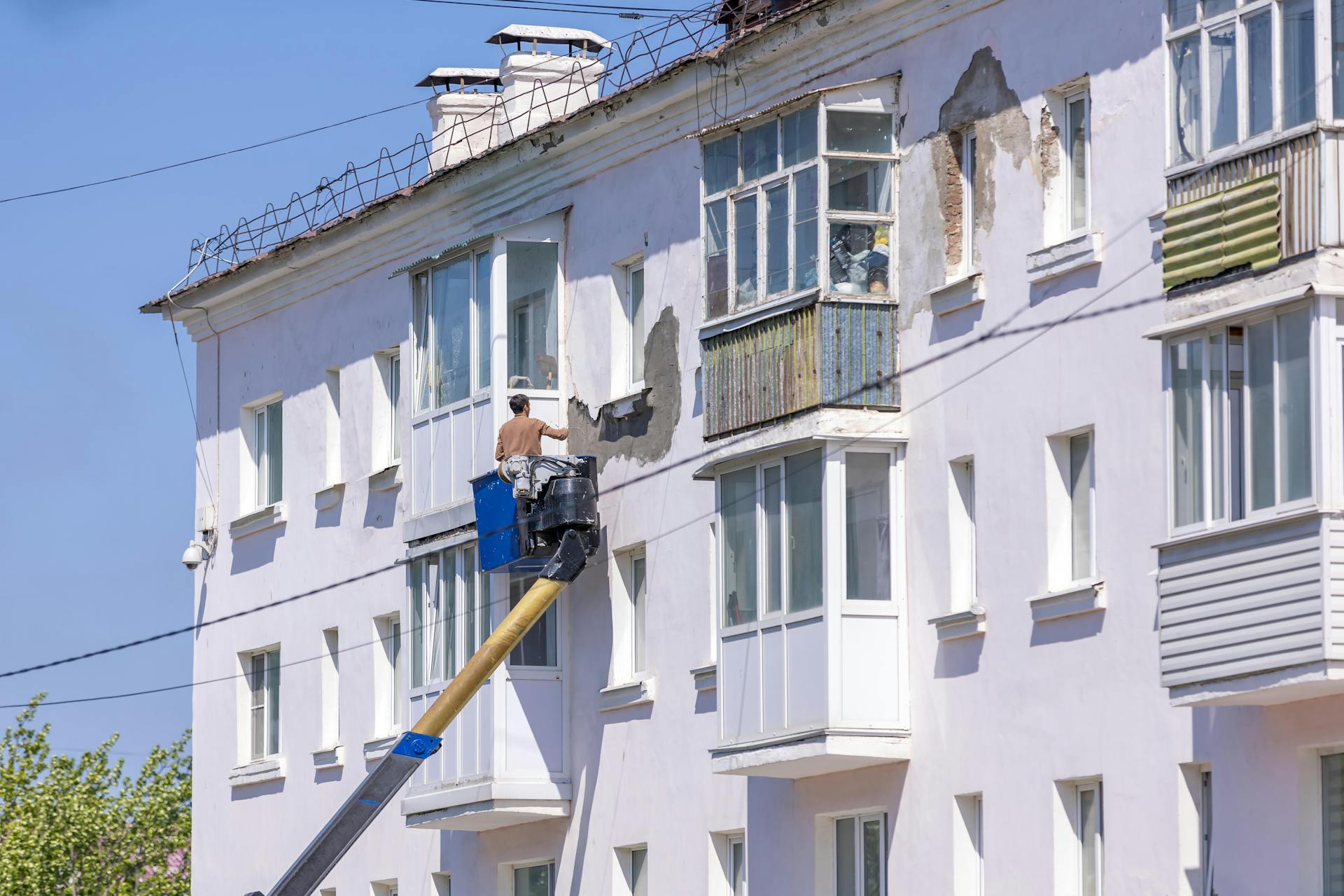
Atlanta's building stock spans over a century of construction methods, materials, and code requirements. From turn-of-the-century warehouses in Castleberry Hill to mid-century office buildings in Downtown, from historic homes in Inman Park to 1980s commercial structures throughout the suburbs, existing buildings present unique structural challenges and opportunities.
Strut E&I specializes in evaluating existing structures and designing practical reinforcement solutions that extend building life, accommodate new uses, and ensure compliance with current Georgia building codes. Our licensed Professional Engineers bring deep experience in assessing structural conditions, identifying deficiencies, and engineering cost-effective solutions that respect the original construction while meeting modern performance standards.
Expert Assessment of Existing Atlanta Structures
Every rehabilitation project begins with understanding what exists. Our structural assessments go beyond visual observation to include document review, field measurements, material testing when needed, and structural analysis to determine actual capacities and identify deficiencies.
We investigate existing conditions methodically, documenting findings with photographs, sketches, and technical notes that form the basis for our engineering recommendations. Whether you're evaluating a building for purchase, planning a renovation, or responding to observed distress, our assessments provide the information you need to make informed decisions.
Related service: A second-story addition is a rehabilitation project in the truest sense — it takes an existing structure and asks it to carry loads it was never designed for. See our
second-story addition structural engineering services for how we assess capacity, verify the load path, and design the required upgrades.
Our Rehabilitation Services
Adaptive Reuse and Change of Occupancy
Converting existing buildings to new uses is reshaping neighborhoods throughout Atlanta. Warehouses become loft apartments. Mills transform into breweries. Retail spaces convert to restaurants. Each change of occupancy brings different structural demands—different floor loads, different egress requirements, different code classifications. We analyze how proposed uses impact existing structural systems and design modifications to accommodate new requirements while preserving what makes these buildings valuable.
Structural Strengthening and Reinforcement
When existing structures lack capacity for current or proposed uses, we design reinforcement solutions that add strength without unnecessary disruption. Our strengthening designs include steel beam and column reinforcement, carbon fiber strengthening systems, additional support columns and transfer structures, foundation underpinning and augmentation, and connection upgrades to improve load path continuity. We select reinforcement methods based on the specific situation, balancing structural effectiveness with construction practicality and cost.
Historic Building Preservation
Atlanta's historic districts—Grant Park, Inman Park, Virginia-Highland, Cabbagetown, Old Fourth Ward—contain irreplaceable architectural heritage. Rehabilitating historic structures requires structural solutions that preserve character-defining features while ensuring safety and functionality. We design sensitive interventions that meet preservation standards, working within the constraints of historic tax credit requirements and local preservation ordinances. Our historic preservation work includes concealed reinforcement, reversible modifications, and sympathetic material selections that respect original construction.
Foundation Repair and Underpinning
Metro Atlanta's expansive clay soils cause foundation movement that affects buildings of all ages. Seasonal wet-dry cycles cause soil volume changes that crack foundations, separate walls, and distort framing. We investigate foundation distress to distinguish between active movement and historic settlement, then design appropriate remediation. Our foundation solutions include helical pier and push pier underpinning, foundation wall repair and reinforcement, drainage improvements to manage soil moisture, and structural repairs to framing damaged by foundation movement.
Seismic and Wind Retrofit
Many older Atlanta buildings were designed before current lateral force requirements took effect. While Georgia's seismic risk is moderate, upgrading lateral force resistance protects building occupants and can reduce insurance costs. We evaluate existing lateral systems against current ASCE 7 requirements and design retrofit solutions including shear wall additions, moment frame reinforcement, diaphragm strengthening, and connection upgrades that improve building performance without wholesale reconstruction.
Common Rehabilitation Challenges in Atlanta
| Challenge |
Common Causes |
Our Approach |
| Foundation Settlement |
Expansive clay soils, inadequate drainage, tree root intrusion |
Underpinning with helical or push piers, drainage correction, structural repairs |
| Floor Capacity Deficiency |
Change of use, modern equipment loads, code changes |
Steel reinforcement, supplemental framing, load redistribution |
| Deteriorated Wood Framing |
Moisture intrusion, termite damage, age |
Sister members, epoxy consolidation, selective replacement |
| Inadequate Lateral Resistance |
Pre-code construction, soft story conditions |
Shear walls, moment frames, drag struts, connection upgrades |
| Masonry Deterioration |
Moisture penetration, settlement, poor original construction |
Repointing, crack repair, through-wall ties, rebuilding |
| Roof Structure Deficiency |
Added HVAC loads, solar panels, code changes |
Supplemental framing, sistering, load-bearing capacity upgrades |
The Rehabilitation Process
Successful rehabilitation projects follow a logical progression from investigation through construction. We begin with document review—original drawings if available, previous modifications, geotechnical data—combined with thorough field investigation. Our engineers examine existing conditions, take measurements, and sometimes perform or coordinate material testing to determine actual properties.
Based on investigation findings, we develop rehabilitation concepts that address identified deficiencies while respecting project constraints including budget, schedule, building operation during construction, and preservation requirements. Once a concept is approved, we produce construction documents including drawings and specifications suitable for permitting and bidding.
During construction, we provide observation services to verify that work conforms to our design intent and address unforeseen conditions that inevitably arise when working with existing buildings.
Schedule Your Building Assessment
Have an existing building in Metro Atlanta that needs structural evaluation? Whether you're planning a renovation, responding to observed distress, evaluating a building for purchase, or maintaining an aging structure, contact Strut E&I to discuss your needs. Our structural assessments provide the foundation for informed decision-making and successful rehabilitation projects.