

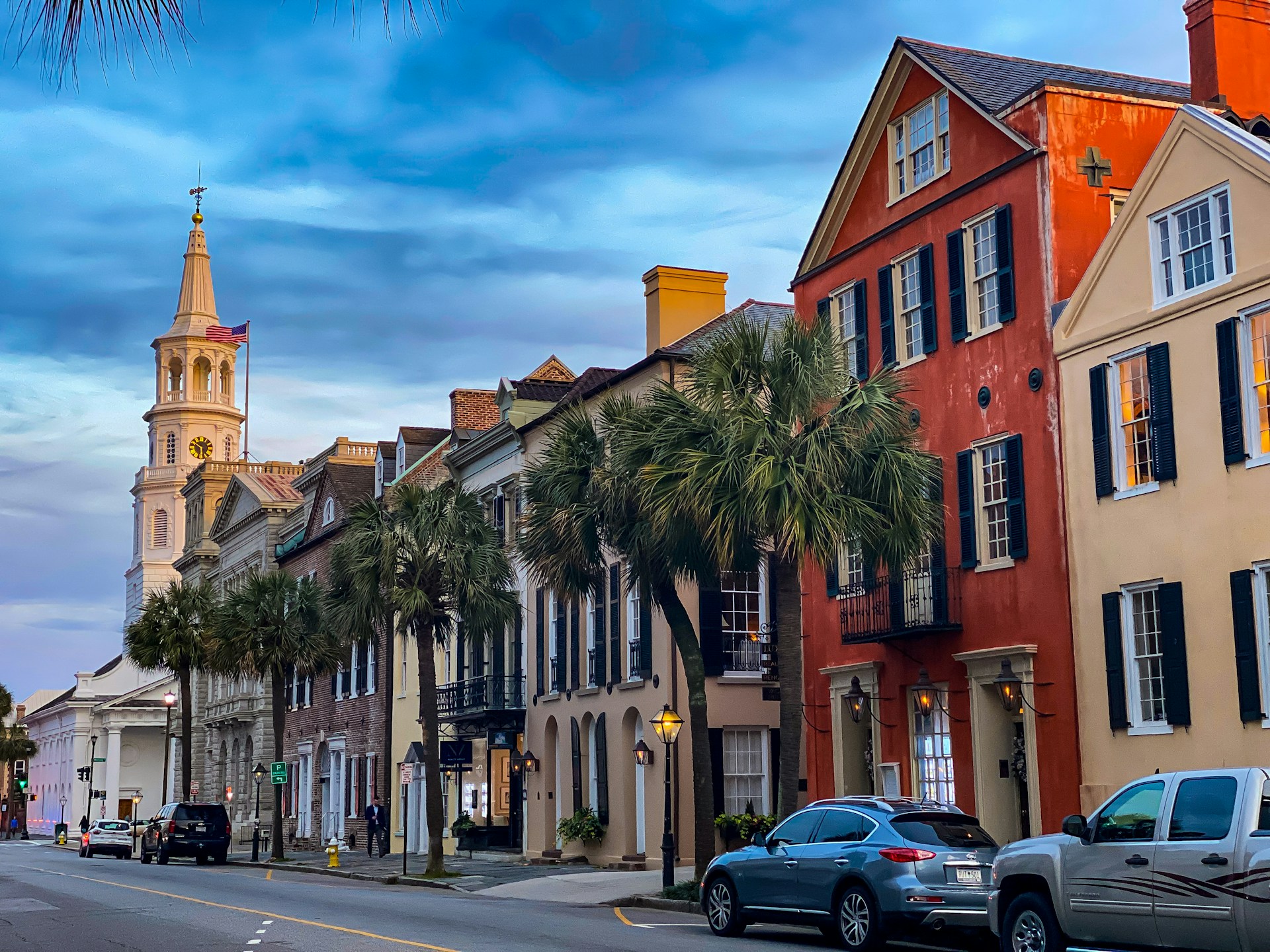
At Strut Engineering & Investment, Inc., we provide structural engineering services tailored to the architecture, terrain, and environmental conditions of Charleston, SC and the surrounding Lowcountry. From historic renovations in Downtown Charleston to elevated new builds on Isle of Palms, we offer a full range of structural assessments, designs, and support services aligned with local codes and coastal conditions. Our team works closely with homeowners, contractors, and developers across the region, bringing structural insight and practical solutions to every project.
We’re proud to serve a diverse mix of neighborhoods and communities throughout the Charleston area, including:
Mount Pleasant – A fast-growing suburb with both traditional and modern homes. Projects in this area often demand attention to structural detail, especially for additions or rebuilds.
Daniel Island – A master-planned community with newer construction and a mix of residential and commercial buildings. Development here is shaped by thoughtful design and regional standards.
Isle of Palms – A beachfront community facing unique coastal challenges, including salt air, flood zones, and high winds. Homes are built with longevity and environmental resilience in mind.
Sullivan’s Island – Characterized by elevated homes and a natural coastal environment. Building here often reflects the island’s emphasis on safety, sustainability, and low-impact design.
James Island – A blend of older homes, marshy terrain, and new infill. Construction varies widely, influenced by site-specific conditions and the island’s evolving character.
We also provide engineering services in West Ashley (northwest), Downtown Historic Charleston, Kiawah Island, Seabrook Island, and Johns Island (select neighborhoods). Whether it’s a preservation-sensitive renovation in Downtown Charleston or a luxury home on Kiawah Island, our experience navigating both city and barrier island regulations allows us to provide dependable, tailored solutions.
Charleston’s mix of historical architecture, coastal geography, and storm-sensitive zones makes local engineering experience essential. From pier foundations on Seabrook Island to framing evaluations in West Ashley, the structural needs here vary widely by neighborhood. Our team understands Lowcountry soil conditions, floodplain overlays, wind zones, and the architectural preservation standards of areas like Downtown Charleston. This local insight helps reduce delays and ensures our designs are practical, code-compliant, and built for longevity in Charleston’s climate.
Charleston’s heritage is rooted in thoughtful design, and we’re honored to contribute to its future through reliable, site-specific engineering. We support new builds, renovations, and structural upgrades that reflect both the beauty and resilience of the region. Whether you're developing on Daniel Island, updating a raised home on Johns Island, or planning construction near the marshes of Mount Pleasant, we’re ready to help bring your vision to life with care and precision. Let’s build Charleston’s next chapter together — with strength, safety, and Southern character.
Strut E&I provides the full range of structural engineering services in Charleston: structural design for new construction, rehabilitation and building modification, forensic engineering, expert witness and litigation support, property condition assessments, and solar PV structural engineering.
For homeowners, our two most requested residential services are second-story addition engineering and load-bearing wall removal — both of which require sealed drawings before a permit will be issued. Every project is assigned a dedicated licensed structural engineer.
Yes, and this genuinely surprises people. Charleston was struck by one of the most powerful earthquakes in eastern United States history in 1886, and the region carries meaningfully higher seismic design requirements than most of the Southeast. A structure in Charleston has to be designed for both hurricane wind and seismic loading, which is an unusual combination and one that a firm unfamiliar with the market can easily miss.
Deteriorated masonry and mortar, joist ends rotted where they bear into damp brick, foundation settlement in soft coastal soils, and earthquake bolts and prior retrofits of varying quality. Charleston's historic buildings have often been modified many times, and the load path is rarely what the original drawings suggest.
It affects anything visible from the exterior in the historic district. Structurally, that usually means the reinforcement has to be concealed within the existing fabric, which takes more engineering rather than less.
Yes. Charleston properties routinely face hurricane wind loading, flood zone elevation requirements, and seismic design at the same time. All three have to be satisfied together.