
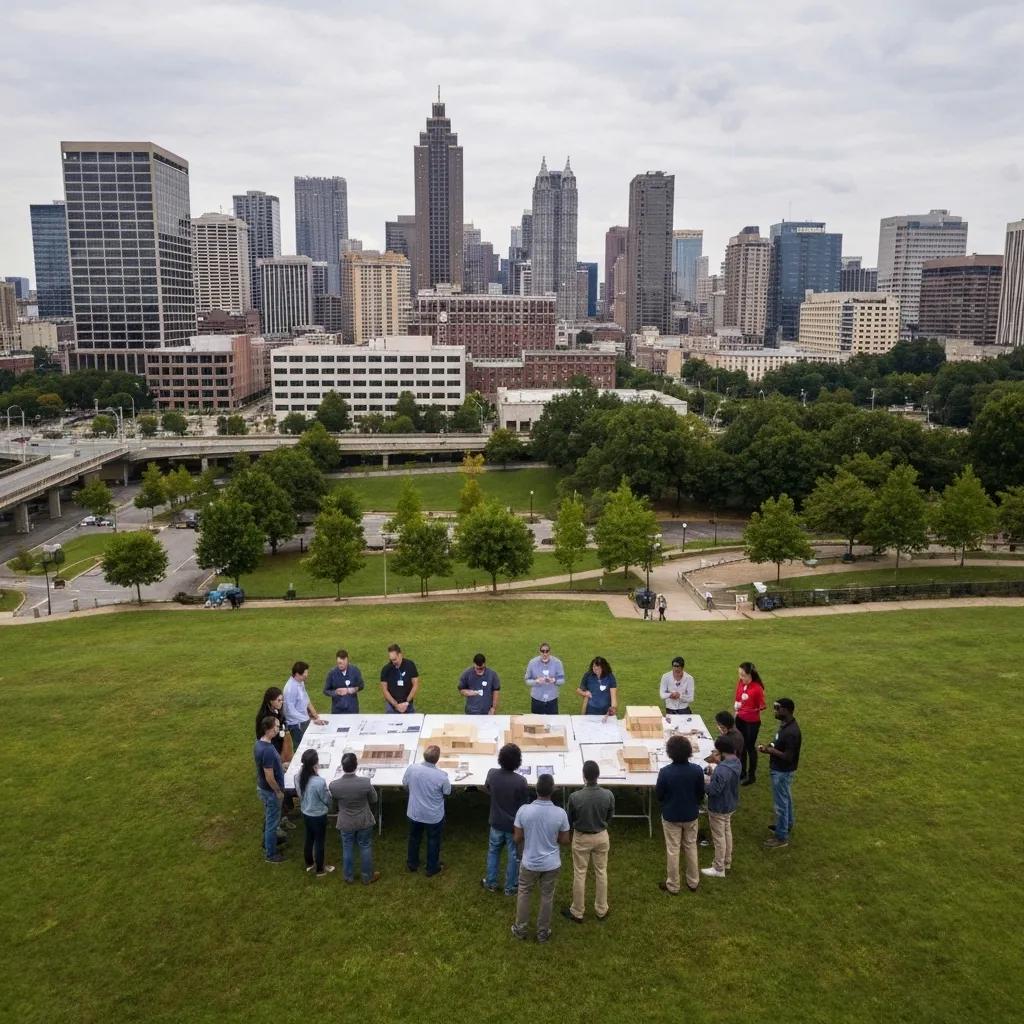
Atlanta’s sustainable design workshops are where green building theory meets hands-on structural engineering expertise, equipping architects, developers, and contractors to craft resilient, low-carbon projects. This guide explores the concept of Atlanta sustainable design workshops, unpacks their impact, outlines certification paths, highlights the pivotal role of Southface Institute, examines cutting-edge trends, details professional advantages, covers event logistics, and explains how to initiate a consultation or join our vibrant community.
Atlanta’s sustainable architecture workshops offer intensive training that melds green building principles with structural engineering techniques to slash environmental footprints, boost resource efficiency, and enhance building resilience. Through interactive seminars and practical, project-based learning, these workshops fuel local innovation and cultivate a collaborative network vital to Atlanta’s evolving urban landscape.
Sustainable design workshops bolster green building in Atlanta by weaving energy-efficient structural strategies, water conservation methods, and life-cycle assessments into tangible project scenarios. Participants hone skills in collaborative modeling, dissect case studies, and run performance simulations to apply best practices in urban developments. These sessions lay the groundwork for design teams to implement optimized structural systems that not only cut embodied carbon but also elevate occupant comfort and safety.
A diverse spectrum of industry professionals seeks out these workshops to sharpen their specialized skills, including:
These workshops deliver immediate boosts in technical know-how, regulatory understanding, and project feasibility:
Attendees depart equipped to integrate sustainable structural solutions that propel Atlanta’s green building mission forward and prepare teams for upcoming regional development regulations.
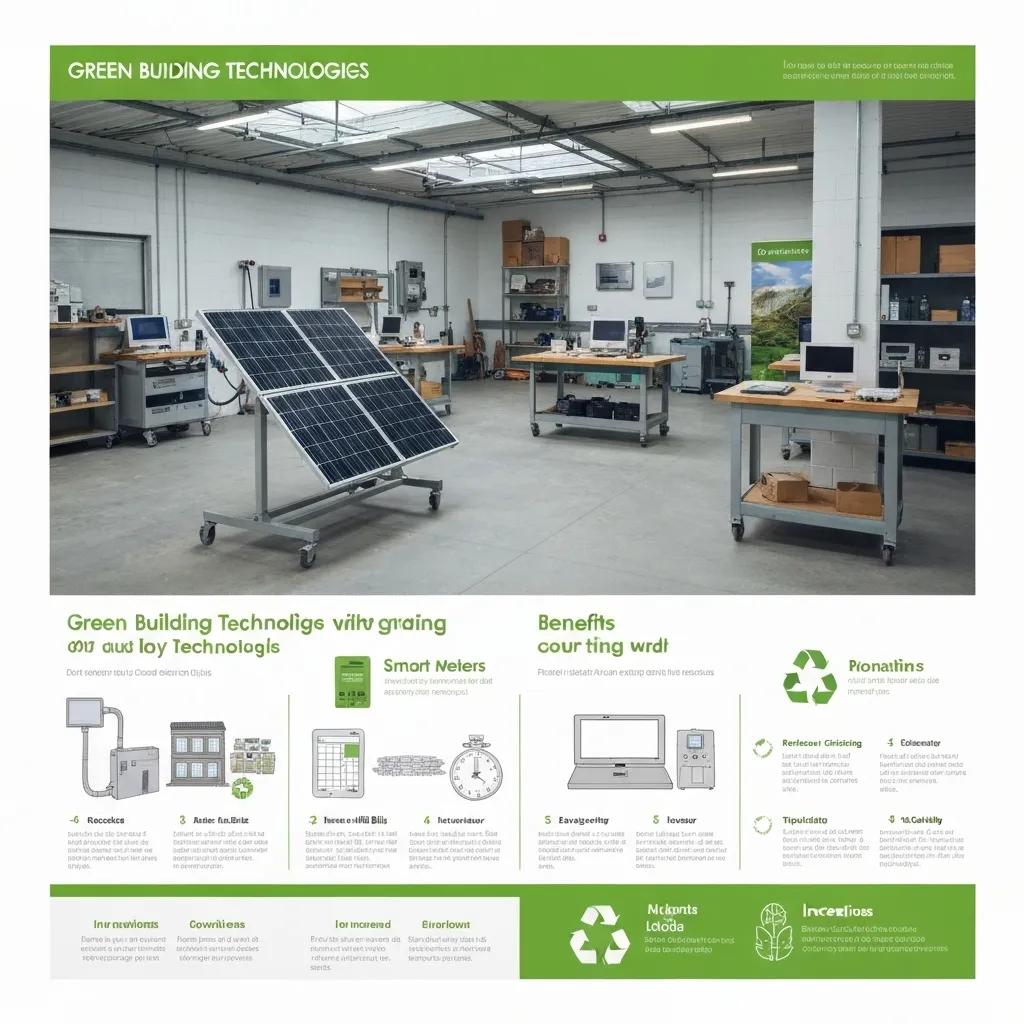
A rich array of educational avenues and credential programs supports Atlanta’s sustainability goals by validating professional expertise and signaling environmental dedication to clients and regulatory bodies. Local training providers, industry groups, and universities offer specialized courses that align structural engineering with green building standards, thereby strengthening project performance and market standing.
LEED certification, overseen by the U.S. Green Building Council, sets the standard for sustainable design, construction, and operation. Structural engineers play a key role by specifying materials with recycled content, optimizing structural efficiency to conserve resources, and designing supports for green features like rooftop solar arrays or extensive green roofs. Achieving LEED credits boosts a project’s market appeal and lowers its long-term operational costs.
Structural engineers contribute significantly by applying their deep knowledge of building materials and structural systems, with an eye toward future adaptability and alternative uses. They are instrumental in earning points within the Materials & Resources category and fulfilling the Construction and Demolition Waste Management Planning prerequisite.
Everblue Training, LEED for Structural Engineers: Why You Should Get Accredited, 2016
The Living Building Challenge pushes the boundaries of regenerative design, mandating net-positive energy and water performance, the use of non-toxic materials, and equitable site utilization. Structural engineering teams respond by developing support systems that accommodate on-site renewable energy generation, water-retention foundations, and transparent material sourcing. This program inspires Atlanta projects to move beyond mere carbon neutrality toward actively regenerating local ecosystems and enhancing community well-being.
The Living Building Challenge (LBC) is a highly demanding standard for sustainable building design, promoting practices that yield positive environmental and community impacts. It functions as a guiding philosophy, a certification system, and an advocacy tool, urging projects to transcend being ‘less bad’ and become truly regenerative.
Living Future Institute of Australia, The Living Building Challenge, 2024
Local professionals can access EarthCraft Builder training, GPRO Fundamentals courses, and specialized seminars through Atlanta-based organizations like Southface Institute, AGC Georgia, and LeadingGREEN. These programs delve into energy modeling, envelope science, and high-performance materials, enabling professionals to earn certifications that underscore Atlanta’s dedication to green building excellence.
Southface Institute, established in Atlanta in 1978, champions sustainable communities through advocacy, education, and practical services. They provide training courses and educational resources aimed at cultivating the next generation of skilled professionals for a sustainable future.
Southface Institute, Homepage, 2024
Southface Institute enriches Atlanta’s sustainable design workshops by contributing expert instructors, relevant structural case studies, and real-world project scenarios that bridge academic concepts with practical engineering applications. As a firm specializing in sustainable structural engineering, Southface offers participants an insider’s perspective on advanced analysis techniques and eco-friendly material selection, elevating the technical depth and practical value of each session.
Southface Institute is a non-profit organization dedicated to advancing sustainable homes, workplaces, and communities through education, research, advocacy, and technical assistance. They offer a comprehensive suite of solutions for sustainability needs, including extensive training courses and educational resources.
Southface Institute, About Us, 2024
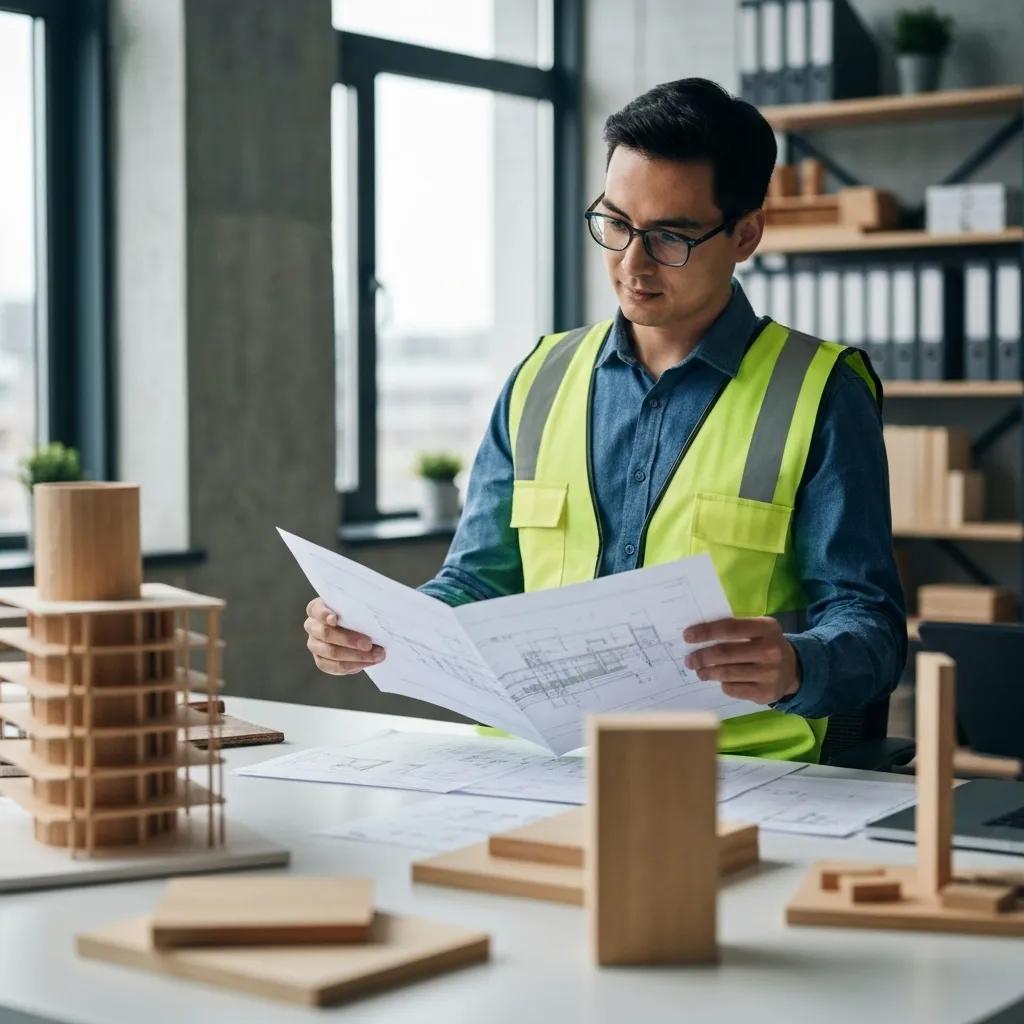
Discover more about these offerings by exploring our Structural Engineering Services in Greater Atlanta, GA.
Innovative materials and advanced digital tools are fundamental to Southface’s approach, as demonstrated below:
Atlanta’s sustainable structural engineering sector is rapidly advancing, driven by breakthroughs in eco-friendly materials, sophisticated digital design methodologies, and resilience-focused practices. Firms are embracing integrated approaches that harmonize structural integrity with energy and water efficiency, positioning buildings to meet both long-term environmental goals and evolving market demands.
Researchers at Georgia Tech have pioneered innovative eco-friendly building blocks, dubbed eco-voxels, capable of reducing carbon footprints by up to 40% compared to conventional construction materials. These units are crafted from polytrimethylene terephthalate (PTT) reinforced with recycled carbon fibers.
Georgia Tech, Georgia Tech Researchers Pioneer Eco-Friendly Building Materials for Earth and Mars, 2025
Structural systems can be designed to incorporate efficiency measures by optimizing their form and function, as illustrated here:
Resilience is a cornerstone of sustainable design, ensuring buildings can withstand extreme weather events, seismic activity, and the rigors of daily use. Workshops emphasize:
By participating in Atlanta’s sustainable design workshops, professionals gain practical insights that streamline project approvals, optimize budgets, and lead to the delivery of higher-performing structures. These sessions foster crucial cross-disciplinary collaboration, accelerate learning curves, and build confidence in tackling complex green building requirements.
Commercial and municipal teams frequently grapple with:
Training programs provide practical toolkits and proven methodologies, including:
A clear understanding of long-term value is essential when evaluating investments in eco-conscious design:
Atlanta hosts its leading green building events annually or quarterly at various venues across the metropolitan area, offering practitioners timely platforms to explore emerging practices, connect with experts, and network with peers. From major industry summits to intensive hands-on labs, these gatherings significantly shape Atlanta’s sustainable design trajectory while providing actionable guidance for design and construction teams.
Registration typically opens several months in advance via provider websites and professional association portals. To secure early-bird pricing and guarantee a spot, prospective attendees are encouraged to:
Post-event surveys and published case-study reports consistently highlight recurring valuable lessons:
These findings are instrumental in guiding continuous improvement within Atlanta’s sustainable design practices and informing the development of future workshop curricula.
Locate Southface Institute on Google Maps to plan your visit and learn more about our contributions to these events: Southface Institute – Atlanta, GA.
Atlanta professionals can engage Southface Institute for bespoke sustainable structural solutions and collaborative partnerships through clearly defined channels, ensuring seamless project integration and access to expert guidance. Whether you require design assistance or are interested in event collaboration, these pathways facilitate direct engagement and efficient resource sharing.
Professionals interested in partnering with Southface are encouraged to connect via our LinkedIn page, where we regularly share updates on speaking engagements, co-sponsorship opportunities, and collaborative workshop planning: Southface Institute – LinkedIn.
Southface’s Facebook community offers a continuous flow of project highlights, insightful technical articles, and valuable networking opportunities for professionals dedicated to advancing sustainable design. Join the conversation and access shared resources here: Southface Institute – Facebook.
To request a personalized consultation or a project quote, please visit our dedicated consultation page: Contact Southface Institute – Atlanta Structural Engineers.
Atlanta’s sustainable design workshops and expert structural engineering services are converging to shape the future of green building throughout the region.
By actively participating in these programs and partnering with Southface Institute, professionals can acquire the essential skills, resources, and connections needed to deliver high-performance, resilient, and environmentally responsible structures across the entire metro area.