

• Training
  • shipping
  • Consulting
  • Training
  • shipping
  • Consulting

Insights & Updates

LEED Certification Consultants in Atlanta: Unlocking Sustainable Design

Local structural engineer consulting with homeowner at construction site, highlighting expertise in building projects

Atlanta’s Premier LEED Certification Consultants: Building a Greener Future

Achieving Leadership in Energy and Environmental Design (LEED) certification is a powerful way to showcase your Atlanta project’s dedication to energy efficiency, healthy indoor spaces, and a lighter environmental footprint. For organizations, architects, developers, and property owners, navigating the journey from initial registration through meticulous documentation and final verification can be complex. This guide breaks down what LEED certification entails, highlights its advantages and the process involved, explores the crucial role of structural engineering in sustainable design, points out local incentives, and demonstrates how Strut Engineering and Investment (Strut E&I) provides expert consulting and code-compliant solutions across the Greater Atlanta area to ensure your green building project thrives.

What Exactly Is LEED Certification and Why Does It Matter for Atlanta Projects?

LEED certification is a globally recognized, performance-based system developed by the U.S. Green Building Council (USGBC) and administered by the Green Business Certification Inc. (GBCI). It sets the standard for sustainable site development, water conservation, energy efficiency, responsible material selection, and indoor environmental quality. By pursuing LEED, Atlanta projects not only align with the city’s forward-thinking sustainability goals but also unlock significant operational cost savings and enhance market appeal in a city actively planning for a more resilient and eco-conscious future.

Atlanta’s Commitment to Sustainable Building

The City of Atlanta has made a clear commitment to sustainable building practices, notably achieving LEED Silver certification for its own operations, underscoring its dedication to human health and economic vitality through green initiatives. This accomplishment reflects the city’s ongoing efforts to improve the quality of life for its residents via robust green building programs.

What Does LEED Certification Signify for Sustainable Design?

LEED certification serves as a definitive mark that a building’s entire lifecycle—from its inception on a chosen site through its ongoing operations—incorporates environmentally sound practices designed to minimize resource consumption. It actively drives sustainable design by requiring strategies such as energy modeling, water-saving plumbing systems, the use of low-VOC materials, and optimized daylighting. For instance, an office tower that incorporates high-performance glazing and smart lighting controls can earn valuable LEED points in the Energy & Atmosphere and Indoor Environmental Quality categories, enhancing occupant comfort, reducing utility expenses, and establishing a strong foundation for achieving higher certification levels.

LEED Certification and the Essence of Sustainable Design

LEED certification is a globally respected benchmark for assessing building sustainability. It meticulously evaluates energy efficiency, waste reduction, water conservation, and a host of other eco-friendly practices. Buildings that achieve LEED certification inherently use fewer resources and contribute to a healthier environment and community.
How Do LEED Certified Buildings Benefit Atlanta Projects?

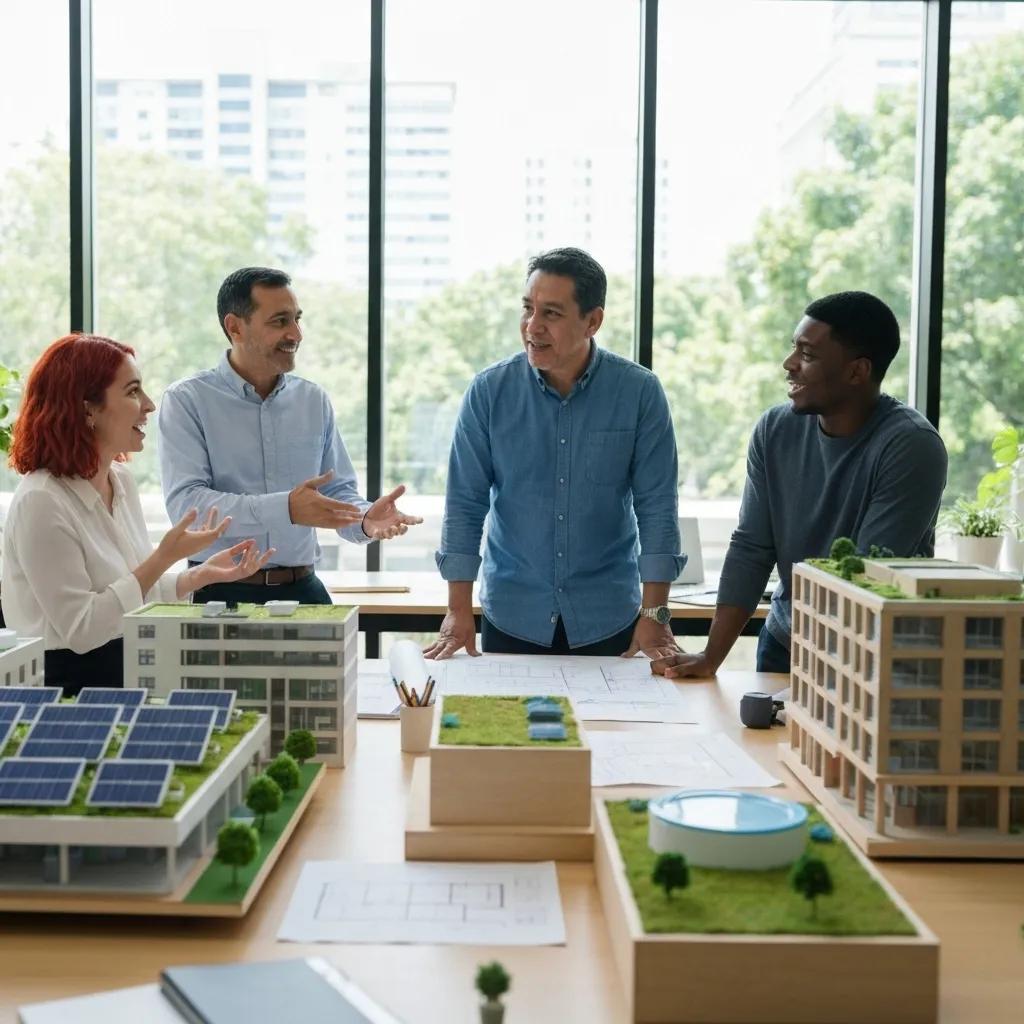
Team of professionals collaborating on a LEED-certified building project in a modern, bright office space
  • Enhanced Energy Performance – Advanced HVAC system design and superior insulation can slash energy consumption by up to 30%, leading to substantial reductions in utility bills.
  • Optimized Water Usage – Effective stormwater management and the implementation of low-flow fixtures significantly decrease the demand for potable water, supporting crucial local water conservation efforts.
  • Distinct Market Advantage – Certified buildings often command higher rental rates and achieve greater resale values by attracting environmentally conscious tenants and buyers.

These tangible benefits naturally lead to a deeper understanding of the certification tiers and point systems that shape project outcomes.

What Are the Different LEED Certification Tiers and Rating Systems Available?

LEED categorizes projects into distinct rating systems, including Building Design & Construction (BD+C), Operations & Maintenance (O+M), and Interior Design & Construction (ID+C). Each system offers four levels of certification—Certified, Silver, Gold, and Platinum—awarded based on the total points accumulated.

Rating SystemCertification LevelsCore Focus
BD+CCertified, Silver, Gold, PlatinumNew construction and major renovations
O+MCertified, Silver, Gold, PlatinumExisting building operations and maintenance
ID+CCertified, Silver, Gold, PlatinumTenant improvements in commercial interiors
HomesCertified, Silver, Gold, EmeraldSingle-family and multifamily residential buildings

Understanding these certification levels is key to unlocking potential incentives and strategically targeting credits that align with your project’s specific goals.

Navigating the LEED Certification Process in Atlanta

The LEED certification process in Atlanta follows a well-defined, structured path from initial planning through to final certification, with expert local consultants guiding every step. Strut E&I employs proven workflows to streamline documentation, technical reviews, and ensure full compliance with Georgia’s stringent building codes.

What Are the Essential Steps to Achieve LEED Certification?

  1. Project Registration – Formally submit your project details to GBCI and select the most appropriate LEED rating system.
  2. Pre-Design Strategy – Define clear sustainability objectives, conduct thorough energy modeling, and assemble your dedicated design team.
  3. Design Documentation Development – Craft detailed narratives, control plans, and specifications that meticulously address each credit requirement.
  4. Construction Phase Verification – Gather essential submittals, performance test results, and field reports throughout the construction period.
  5. Final Review & Certification Award – Compile the complete application package, respond promptly to any GBCI inquiries, and receive your official LEED certification.

Executing each of these steps with precision is vital for a smooth review process and maximizing your project’s point potential.

How Do LEED Consultants Like Strut E&I Support Each Stage of Certification?

  • Registration & Goal Setting Guidance – Providing expert advice on selecting the optimal rating system and setting achievable certification targets.
  • Expert Technical Documentation – Developing comprehensive narratives, drawings, and submittals that satisfy all USGBC credit requirements.
  • Advanced Performance Modeling – Conducting detailed energy simulations to validate energy savings credits and optimize HVAC system design.
  • Rigorous Quality Assurance – Performing on-site inspections and pre-submission audits to proactively identify and resolve potential review issues.

By integrating these specialized services, Strut E&I effectively minimizes project risk, controls costs, and accelerates the path to LEED certification.

What Are Common Hurdles in LEED Certification, and How Can They Be Overcome?

  • Data Collection Gaps – Incomplete metering or performance data can impede documentation. Consultants bridge these gaps using calibrated models and precise measurement protocols.
  • Code Compliance Conflicts – Local building codes may sometimes seem at odds with LEED prerequisites. Our team’s deep understanding of Atlanta’s building codes ensures these differences are effectively reconciled.
  • Extended Review Cycles – GBCI review comments can necessitate multiple resubmissions. Proactive pre-review checks and exceptionally clear credit narratives significantly reduce the number of review iterations.

Addressing these potential challenges early in the process safeguards project budgets and ensures consistent progress toward achieving your sustainability goals.

What Are the Key Advantages of LEED Certified Buildings in Atlanta?

The Compelling Benefits of LEED Certified Buildings

LEED-certified buildings offer a multitude of advantages, including significant cost savings derived from reduced energy and water consumption. Furthermore, they contribute to superior indoor air quality and promote better occupant health. Research consistently shows that occupants in green buildings experience higher levels of productivity and fewer sick days.

How Does LEED Enhance Energy Efficiency and Drive Down Costs?

LEED’s Energy & Atmosphere credits mandate specific measures such as enhanced commissioning, energy recovery systems, and the integration of renewable energy sources. A typical LEED-certified commercial building in Atlanta can expect to achieve:

  • 15–30% reduction in energy usage through optimized HVAC controls and high-performance building envelope design.
  • More predictable operating expenses by establishing long-term performance benchmarks.

These efficiency improvements often pay for themselves over the building’s lifespan and lay the groundwork for even greater reductions in environmental impact.

How Does LEED Certification Minimize Environmental Impact?

LEED rigorously evaluates a building’s impact on water resources, material consumption, and carbon footprint. Key strategies employed include:

  • Effective Stormwater Management – Utilizing permeable paving and bioswales to reduce runoff and enhance the health of local watersheds.
  • Prioritizing Material Reuse & Recycling – Salvaging existing structural components and specifying locally sourced materials to lower embodied carbon.
  • Significant Greenhouse Gas Reductions – Integrating on-site renewable energy generation or procuring off-site renewable energy credits.

By meeting these stringent standards, projects actively contribute to Atlanta’s resilience in the face of evolving climate challenges.

What Are the Health and Well-being Benefits Associated with LEED Buildings?

The Indoor Environmental Quality credits within LEED are specifically designed to enhance occupant comfort through superior ventilation, optimized daylighting, and the use of low-emitting materials. Certified spaces in Atlanta commonly experience:

  • Markedly improved air quality, achieved through advanced filtration of fresh air and the use of formaldehyde-free interior finishes.
  • Boosted productivity stemming from abundant natural daylight and effective acoustic controls.
  • Reduced absenteeism, linked to consistent thermal comfort and optimized lighting conditions.

Prioritizing occupant wellness not only enhances tenant satisfaction and retention but also strongly supports corporate health and productivity initiatives.

How Structural Engineering Powers Sustainable Design and LEED Projects

What Sustainable Materials and Resilient Design Principles Are Incorporated?

Key structural strategies that support sustainability and resilience include:

  • Recycled Steel & High-Strength Concrete – These materials significantly reduce embodied carbon while maintaining or enhancing structural integrity and load-bearing capacity.
  • Mass Timber Systems – Utilizing renewable resources that actively sequester carbon, offering a sustainable alternative to traditional materials.
  • Resilient Structural Detailing – Designing for extreme loads, such as seismic and high wind events, to extend the building’s service life and minimize long-term maintenance needs.

How Does Structural Support for Solar PV Systems Enhance LEED Certification?

The integration of rooftop or canopy-mounted photovoltaic (PV) arrays directly contributes to Renewable Energy credits by:

  • Providing engineered framing and mounting details capable of safely supporting array loads.
  • Conducting structural analysis to optimize array tilt and orientation for maximum energy generation efficiency.
  • Designing load-rated walkways and supports to ensure safe and efficient maintenance access.

Through this synergistic approach, solar PV systems become both a powerful energy-saving feature and a structurally sound asset.

How Does Code Compliance Ensure Both Safety and Sustainability?

Adhering to Atlanta’s building codes is the fundamental bedrock upon which LEED achievements are built. Robust structural compliance ensures:

  • Guaranteed life-safety performance under the specific local wind and seismic provisions.
  • The feasibility of adaptive reuse projects by verifying that existing structures meet current safety standards.
  • Alignment with LEED prerequisites for structural durability and the paramount importance of occupant safety.

By prioritizing code compliance from the outset, projects effectively avoid costly redesigns and seamlessly integrate sustainability within a secure and reliable framework.

Local Green Building Initiatives and Incentives Supporting LEED in Atlanta

Atlanta’s Forward-Thinking Sustainable Building Ordinance

The City of Atlanta has enacted a Sustainable Building Ordinance that mandates LEED Silver certification or higher for all new construction and major renovations of city-owned facilities exceeding 5,000 square feet. For existing city-owned facilities larger than 25,000 square feet, the ordinance requires the attainment of LEED O+M Certification.

What Are Some Notable LEED Projects and Case Studies in Atlanta?

  • Prestigious Commercial High-Rise – Achieved LEED Gold certification through the strategic implementation of energy recovery chillers and extensive green roof systems.
  • Community-Focused Municipal Library Branch – Earned LEED Platinum status by incorporating geothermal heating systems and highly efficient daylighting strategies.
  • Vibrant Mixed-Use Development – Secured LEED Silver certification by effectively reusing an existing steel frame and optimizing complex water management systems.

These exemplary projects vividly illustrate the city’s strong commitment to scalable sustainable design and establish valuable benchmarks for future developments.

How Does the USGBC Georgia Chapter Influence LEED Adoption?

The Impact of the USGBC Georgia Chapter

The USGBC Georgia Chapter plays an indispensable role in championing green building practices through comprehensive education, valuable networking opportunities, and dedicated advocacy. They regularly host informative workshops, facilitate peer-to-peer learning groups, and actively collaborate on improving building codes to streamline the green building permitting process.

What Incentives and Resources Are Available for LEED Projects in Atlanta?

Several valuable programs are in place to help reduce the financial barriers associated with LEED certification:

  • Water Efficiency Rebates – The Atlanta Water Resources department offers attractive rebates for projects that install low-flow fixtures and implement water-saving measures.
  • Property Tax Abatements – Buildings that demonstrably exceed established energy performance baselines may qualify for significant property tax reductions.
  • Grant Funding Opportunities – Various state-level grants are available to support the integration of renewable energy systems and the implementation of building façade improvements.

Effectively leveraging these incentives can significantly offset upfront project costs and enhance the overall return on investment, paving the way for successful client engagement.
Why Partner with Strut Engineering and Investment for Your LEED Certification Consulting in Atlanta?

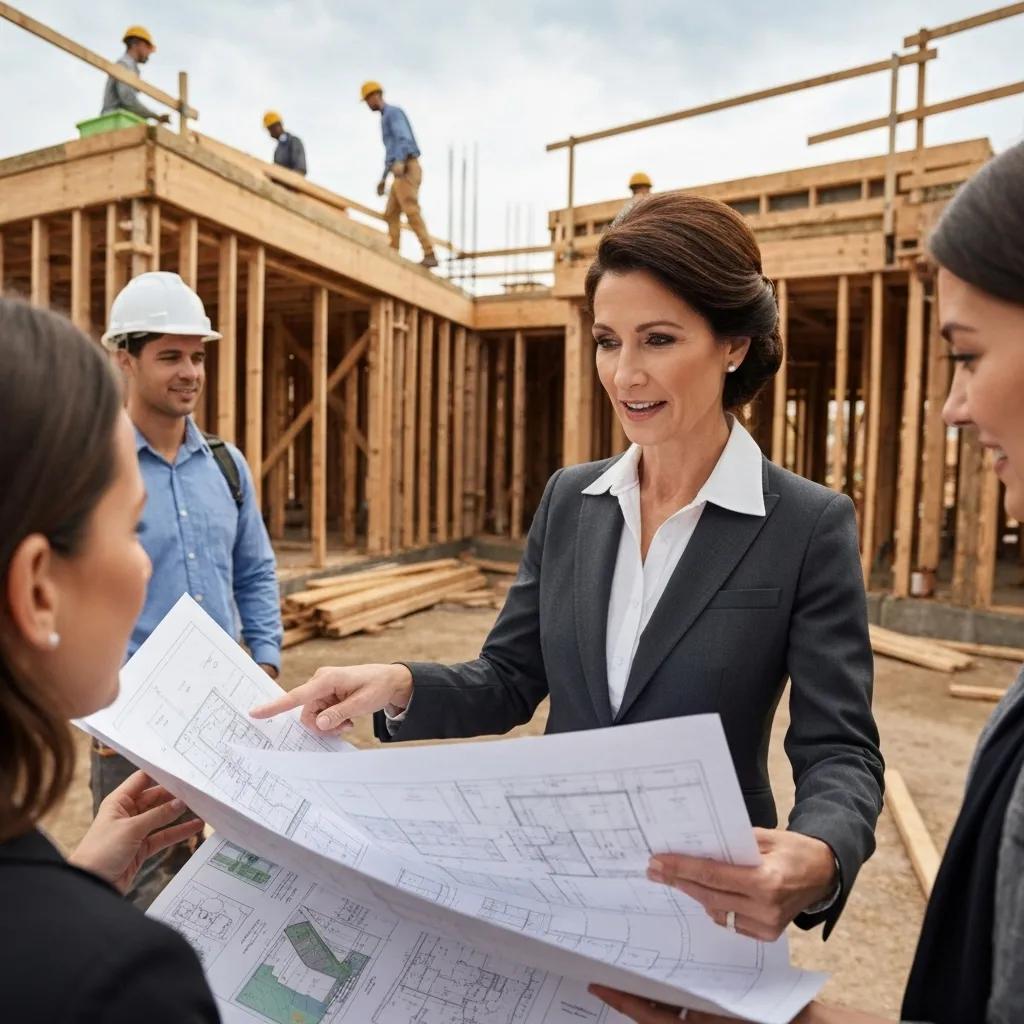
Strut Engineering consultant discussing sustainable design strategies with clients at a bustling construction site

What Sets Strut E&I’s LEED Consulting Services Apart?

  • Integrated Structural & Sustainability Expertise – We seamlessly blend our deep knowledge of steel, concrete, and timber with strategic LEED credit achievement.
  • National Reach, Local Insight – While headquartered in Atlanta, our dedicated nationwide team supports projects from initial concept through final certification.
  • Proven, Efficient Methodology – Our field-tested documentation workflows are designed to minimize review cycles and ensure consistent, successful credit delivery.

Our commitment extends beyond mere compliance; we deliver enhanced resilience and superior performance in every structure we engineer.

How Does Strut E&I Guarantee Code-Compliant and Sustainable Structural Solutions?

By meticulously combining rigorous code analysis with cutting-edge sustainable design principles, Strut E&I consistently:

  • Conducts comprehensive code gap analyses to proactively identify and resolve potential conflicts early in the design phase.
  • Implements performance-based design strategies that not only meet but often exceed minimum code requirements.
  • Ensures seamless coordination with architects, MEP engineers, and commissioning agents for truly integrated project delivery.

This powerful synergy of safety, code adherence, and sustainability forms the bedrock of every successful LEED submission we facilitate.

How Can You Initiate Your LEED Certification Project with Strut E&I?

Begin by connecting with our expert Atlanta team to discuss your project’s unique goals and scope:

  1. Schedule a Consultation through our Contact Us – Strut Engineering & Investment page to explore rating system options and receive preliminary budget estimates.
  2. Our engineers will conduct a Site Visit & Data Collection to assess existing conditions and gather crucial performance metrics.
  3. We’ll then proceed with a Project Kickoff, including detailed target credit planning and specialized structural sustainability workshops.

From your initial inquiry to the final certification award, Strut E&I provides precise guidance and unwavering integrity at every milestone.

Frequently Asked Questions About LEED Certification Consulting in Atlanta

What Is the Typical Cost of LEED Certification in Atlanta?

The overall cost of LEED certification is influenced by project size, the chosen rating system, and the desired certification level. Fees typically encompass GBCI registration, the certification review process, and consultant services. Generally, total consulting fees fall within the range of 1–3% of the total construction value. Strut E&I provides customized quotes based on a detailed assessment of your project’s scope and complexity.

Who Are the Leading LEED Professionals and Consultants in Atlanta?

Atlanta boasts a diverse landscape of leading LEED professionals, including multidisciplinary engineering firms, specialized sustainability consultancies, and expert energy modeling firms. Strut E&I distinguishes itself by offering a powerful combination of extensive structural engineering expertise and proven LEED project leadership, positioning us as a comprehensive, single-source partner for design, documentation, and technical review.

How Long Does the LEED Certification Process Typically Take?

For small to mid-size projects, the journey from registration to certification typically spans 6–9 months. Larger, more complex projects may require 12–18 months. These timelines can fluctuate based on the efficiency of review cycles, the completeness of submissions, and the project’s construction schedule. Strut E&I’s proactive pre-submission audits are designed to significantly compress these approval phases.

What Are the Key Differences Between LEED Rating Systems for Various Building Types?

Each LEED rating system is specifically tailored to different project categories:

  • BD+C is designed for new construction and major renovation projects.
  • O+M focuses on improving the performance of existing buildings.
  • ID+C is intended for interior fit-outs and tenant improvements.
  • Homes and Neighborhood Development cater to residential projects and community-scale planning, respectively.

Selecting the most appropriate rating system is crucial for ensuring that your credits align perfectly with your project objectives and comply with all relevant local regulations.

Strut Engineering and Investment is fully prepared to guide your next green building endeavor in Atlanta, delivering innovative structural solutions, unparalleled LEED expertise, and an unwavering commitment to safety and sustainability. Explore our specialized regional services on our Greater Atlanta, GA – Strut Engineering & Investment page, find our office location on Google Maps, connect with us on LinkedIn, or join our growing community on Facebook. We eagerly invite you to partner with Strut E&I to unlock the full potential of sustainable design and achieve outstanding LEED certification success.

    Request a Consultation

    Copyright ©2025 Strut Engineering & Investment, Inc - All Rights Reserved.
    Request a Consultation
    Tell us about your project and one of our licensed engineers will get back to you shortly.