

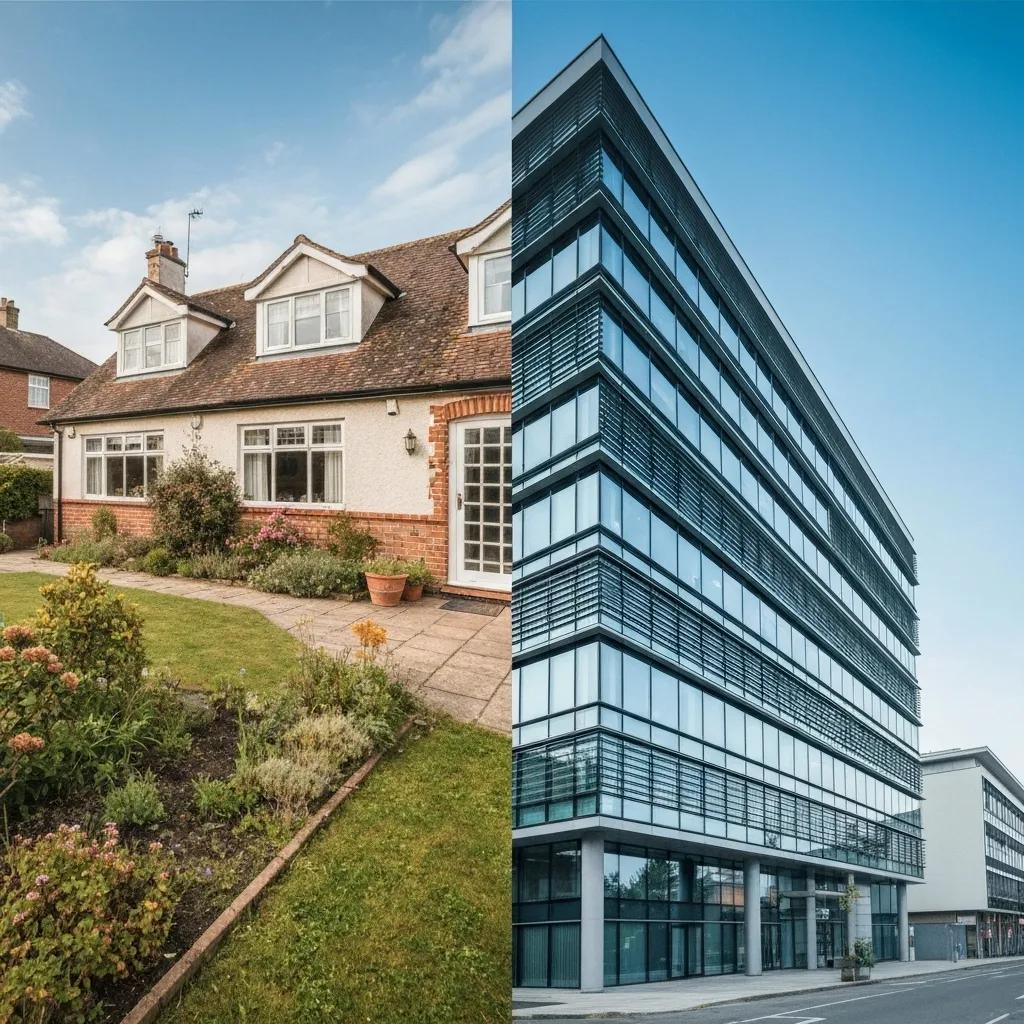
Grasping the distinctions between residential and commercial builds empowers architects, developers, contractors, and even homeowners to make smarter, safer, and more budget-friendly decisions right from the blueprint stage. In this deep dive comparing residential and commercial projects, we’ll cover everything from their intended use and the regulatory maze to design approaches, material choices, budget realities, project timelines, and the crucial role of structural engineering. You’ll gain clarity on how customized strategies boost safety and compliance, why building codes vary so much, and which construction methods are best suited for your next endeavor. Whether you’re envisioning a cozy single-family dwelling or a bustling multi-story office, this guide is packed with practical insights and points you toward dependable structural engineering expertise. Find our local office on Google Maps to connect with us.
Residential and commercial structures diverge significantly in their fundamental purpose, sheer size, how many people they accommodate, and the investment involved. Homes are designed with comfort, adaptability, and affordability at the forefront, while commercial buildings prioritize robust durability, higher load-bearing capabilities, and stringent regulatory adherence for public and business operations. For instance, a typical house might use lighter framing and simpler utility runs, whereas an office complex integrates sophisticated HVAC, fire suppression, and accessibility systems that profoundly influence structural design. Understanding these fundamental differences lays the groundwork for a more detailed look at functionality, code mandates, and engineering solutions.
The intended use dictates the design. Residential buildings are primarily for living, emphasizing privacy, energy efficiency, and aesthetic flexibility. Commercial buildings, on the other hand, are built to support business activities, often requiring expansive open spaces, specialized functional zones, and robust public safety features. This functional divergence shapes structural load paths, utility routing, and fire safety strategies, leading to distinct engineering approaches for each category.
Residential structures include everything from single-family homes, duplexes, and townhouses to condominiums and accessory dwelling units. Commercial types span a wide spectrum, encompassing office buildings, retail spaces, warehouses, healthcare facilities, and hotels. Each of these subtypes presents unique spatial requirements and occupancy considerations that engineers must meticulously address through tailored load analyses and material selections.
The sheer number of people a commercial structure is designed to hold significantly increases live loads, necessitates more extensive emergency egress routes, and imposes stricter fire safety regulations. Residential occupancy is generally lower and more predictable, allowing for lighter floor systems and simpler exit strategies. These occupancy-driven variations in load requirements directly influence the sizing of beams, the spacing of columns, and the design of foundations.
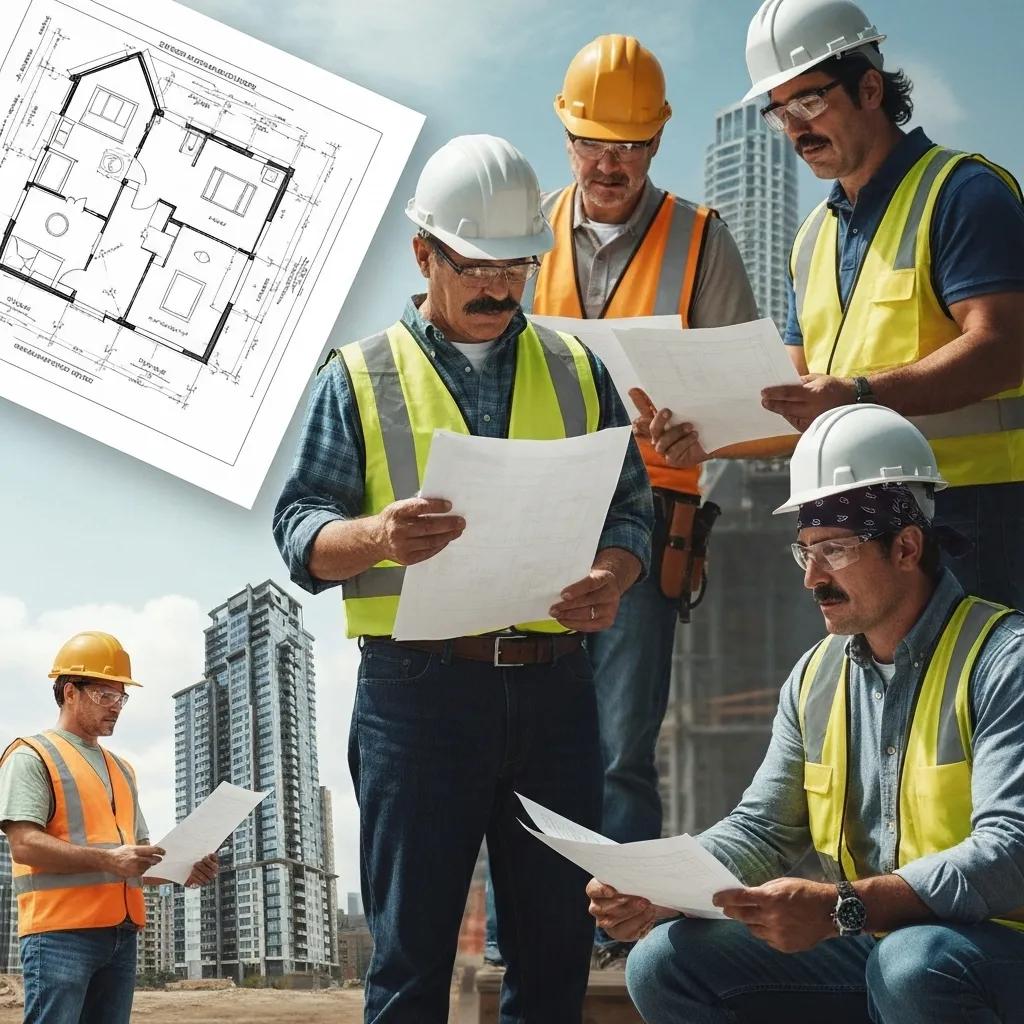
Building codes are the bedrock of safety, accessibility, and environmental responsibility in construction. Residential projects typically fall under the International Residential Code (IRC), which offers streamlined requirements for lower-occupancy dwellings. Commercial projects, however, must comply with the International Building Code (IBC), often supplemented by local amendments, to ensure public safety, robust fire suppression, and universal accessibility. Being aware of these regulatory layers from the outset is key to avoiding costly redesigns and ensuring a smooth path from permit application to occupancy approval.
Residential and commercial construction projects are governed by distinct building codes and regulations. Residential codes are crafted with the safety and comfort of individual homeowners in mind, whereas commercial codes prioritize the well-being of a larger number of occupants and address more intricate systems and infrastructure.
Residential codes primarily focus on ensuring safe egress from bedrooms, adequate structural load capacities, minimum thermal insulation standards, and basic fire separation between dwelling units. Requirements for foundation anchoring, wall bracing, and roof sheathing are designed to ensure homes can withstand typical loads like snow and wind without unnecessary complexity or expense.
Commercial codes impose more rigorous live load requirements, higher fire resistance ratings, and demand seamless integration of complex mechanical and electrical systems. Factors like mixed-use occupancy and extreme building heights trigger additional structural scrutiny, necessitating fire-rated assemblies, pressurized stairwells, and seismic detailing that go far beyond typical residential standards.
Residential permits often move through the approval process more quickly due to their simpler scope. Commercial permitting, conversely, involves multiple, in-depth reviews by fire marshals, accessibility inspectors, and environmental agencies. Fire safety standards for commercial projects mandate sophisticated sprinkler systems, fire walls with specific ratings, and emergency lighting systems that are considerably more extensive than those required for homes.
The Americans with Disabilities Act (ADA) mandates specific requirements for commercial facilities, including ramp gradients, door clearances, restroom layouts, and accessible parking. Structural engineers must carefully coordinate slab elevations, threshold designs, and load path adjustments to seamlessly integrate accessible routes without compromising the building’s overall stability.
Under the Americans with Disabilities Act (ADA), commercial buildings must provide physical accessibility for individuals with disabilities, including employees. Non-compliance with ADA building regulations can result in significant financial penalties, potentially starting at $55,000 to $75,000 for a first-time violation, and escalating to $110,000 to $150,000 for a subsequent offense.
The structural design for residential and commercial projects diverges in terms of load demands, foundation strategies, methods for resisting lateral forces, and the degree of flexibility allowed. Residential frameworks often utilize light-gauge timber or cold-formed steel for ease of modification, whereas commercial designs typically rely on reinforced concrete or structural steel to support heavier loads, achieve longer spans, and accommodate integrated building systems.
Residential floor loads generally range from 30–40 pounds per square foot (psf) for live loads, with roof loads determined by local snow or wind criteria. Commercial floor loads, however, can easily exceed 50–100 psf to accommodate heavy equipment, substantial inventory, and higher occupant densities. This significant variance directly impacts the required depth of beams, the spacing of girders, and the sizing of columns.
Residential foundations commonly employ shallow spread footings or slab-on-grade systems, striking a balance between cost-effectiveness and performance. Commercial foundations may involve more complex solutions like deep pile systems, drilled shafts, or mat foundations to support concentrated heavy loads and mitigate settlement issues beneath substantial columns.
Residential seismic designs typically follow simplified methodologies outlined in the IRC, often limiting building height and complexity. Commercial seismic requirements under the IBC mandate detailed lateral force-resisting systems, performance-based design approaches, and specific ductility considerations. For taller commercial towers, wind load calculations may even necessitate dynamic analysis and, in some instances, the use of tuned mass dampers.
Homes are often designed with a high degree of flexibility, allowing for future renovations, easy conversion of spaces, and the addition of rooms. Commercial structures tend to prioritize robustness over flexibility; steel and concrete grids provide uniform structural support but can limit interior modifications without extensive reanalysis and reinforcement.
The selection of materials is driven by considerations of durability, cost, and performance. Residential construction frequently utilizes wood framing and light-gauge steel for efficient assembly and good thermal properties, while commercial projects predominantly employ structural steel, reinforced concrete, and masonry for enhanced longevity, superior fire resistance, and greater load-carrying capacity.
Timber framing, engineered wood products, light-gauge steel studs, insulated concrete forms (ICFs), and traditional masonry are frequently found in homes. These materials offer advantages such as affordability, potential for renewable sourcing, and simpler installation processes that often don’t require heavy machinery.
Lumber, concrete, steel, stone, and brick are all robust material options offering diverse applications. The materials you choose play a critical role in constructing a home that is built to last.
Commercial buildings typically rely on structural steel beams and columns, reinforced concrete slabs, precast concrete panels, and load-bearing masonry. These choices are essential for supporting larger spans, achieving higher strength-to-weight ratios, and integrating with vertical transportation systems like elevators.
Wood framing in residential buildings generally offers a service life of 50 to 75 years with appropriate maintenance. In contrast, steel and concrete systems in commercial properties are engineered for service lives of 75 to 100 years, incorporating measures for corrosion protection and fireproofing.
Mass timber, high-performance concrete incorporating recycled aggregates, cross-laminated timber (CLT), and low-VOC (volatile organic compound) composites are increasingly being adopted for both residential and commercial applications. These environmentally conscious materials help reduce carbon footprints and improve indoor air quality.
The considerations for cost and project schedule differ substantially. Residential projects typically involve lower material and labor expenses and shorter timelines, whereas commercial ventures often entail higher overhead, specialized labor requirements, and extended permitting processes, leading to longer overall delivery schedules.
Residential construction costs typically average between $100 and $200 per square foot, reflecting simpler framing and standard finishes. Commercial rates can range from $200 to over $400 per square foot, driven by the use of heavy steel or concrete, advanced mechanical, electrical, and plumbing (MEP) systems, and the involvement of specialized trades.
Residential permit fees are often calculated based on valuation tiers and tend to be relatively modest. Commercial permit fees are typically calculated per square foot and may include surcharges for plan reviews. Equipment costs escalate significantly for commercial projects, involving crane rentals, extensive shoring systems, and heavy machinery for large concrete pours and steel erection.
A typical home construction project might be completed within 6 to 9 months. Commercial projects, however, can extend from 12 to 36 months or more, depending on the building’s size, foundation complexity, and the coordination required among numerous trades. Larger scales inherently multiply coordination needs and the sequencing of critical path activities.
Homes generally incur lower annual maintenance expenses relative to their size, typically focusing on HVAC servicing and roof repairs. Commercial buildings often budget 1% to 3% of their asset value annually for maintenance, which covers system calibrations, facade upkeep, and fire protection system testing.
Structural engineering provides the scientific backbone for creating safe, code-compliant, and cost-effective building solutions. By meticulously analyzing loads, material properties, and environmental factors, engineers ensure that both homes and commercial complexes achieve their intended performance and safety objectives from the initial concept through to final completion.
Structural engineers conduct essential foundation inspections, evaluate load paths, and develop retrofit designs for additions and remodels. Our structural engineering services in Atlanta expertly blend local code knowledge with advanced analytical techniques to safeguard every residential project.
A residential structural engineer is a professional dedicated to ensuring the stability and safety of structures within the context of home construction. They are the experts in structural integrity, navigating the complexities of design, materials, and execution to guarantee the long-term durability of your home.

Commercial projects demand sophisticated structural modeling, thorough seismic and wind analysis, value engineering to optimize costs, and seamless integration with MEP and architectural systems. These specialized services are crucial for mitigating construction risks, maximizing material efficiency, and maintaining strict regulatory compliance throughout both the design and construction phases.
Structural engineering is an indispensable component of commercial construction. It encompasses the design and analysis of buildings to ensure they are safe, stable, and robust. Without expert structural engineering, buildings would be unable to withstand the forces of nature or the rigors of daily use.
Engineers meticulously validate load calculations, specify appropriate materials, and coordinate the design of fire-resistance assemblies. Through rigorous peer reviews and third-party inspections, structural engineering guarantees that every structure fully complies with the IBC, IRC, ASCE standards, and all applicable local ordinances.
Recognizing the fundamental distinctions between residential and commercial structures empowers informed decision-making, effective cost management, and timely project completion. Strategically aligning design objectives with regulatory requirements and material capabilities significantly reduces rework, enhances overall safety, and streamlines project workflows from the initial permit application to final occupancy.
In a recent Atlanta townhouse renovation, our engineers successfully boosted lateral stability by integrating steel moment frames without compromising the interior aesthetics. For a mid-rise office building retrofit, we achieved seismic upgrades while the building remained occupied, utilizing phased construction and selective reinforcement techniques. These case studies highlight our adaptive and effective solutions tailored to each project type.
Our team’s unwavering commitment to safety, precision, and efficiency is reinforced by our continuous engagement in industry forums and professional networks. Explore our portfolio on LinkedIn or join our vibrant community on Facebook for valuable insights and updates. This powerful combination of technical prowess and a client-centric approach ensures that every project we undertake not only meets but exceeds expectations.
Are you ready to secure expert guidance for your residential or commercial construction project? Request a consultation today, and you’ll receive a personalized quote within 48 hours. Our dependable process and deep understanding of local codes will set your project firmly on the path to success.
Strut Engineering and Investment seamlessly integrates in-depth structural analysis with practical design solutions to guarantee your building’s safety, durability, and full code compliance. By thoroughly understanding the core differences between residential and commercial structures, you’ll be partnering with an engineering team that customizes every solution to your unique project needs. Connect with us today to transform your vision into a resilient reality.