

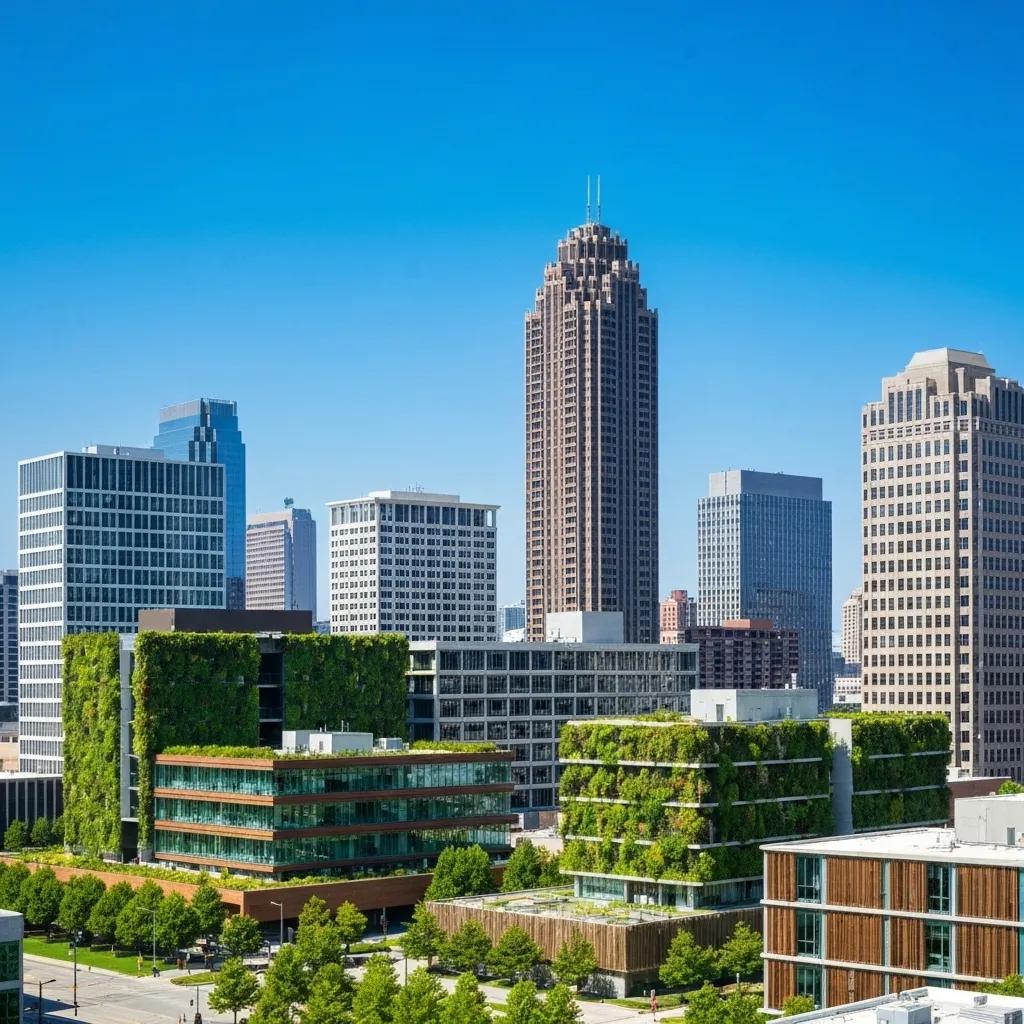
Atlanta’s urban heartbeat, its building sector, accounts for a significant chunk of city carbon emissions. This reality fuels a pressing need for smart, sustainable building solutions. We’re talking about structures that don’t just stand tall but stand responsibly. Green structural design is actively reshaping Atlanta’s skyline, weaving in materials like recycled steel, mass timber, and low-carbon concrete. The goal? To slash embodied carbon, boost energy smarts, and create spaces where people thrive. Dive in to explore what green structural engineering truly means, discover the power of sustainable materials, navigate the LEED certification journey, understand how to build for efficiency and resilience, see real-world Atlanta examples, and learn how to connect with the Strut Engineering and Investment Atlanta team.
This guide tackles the rising costs of energy, the ever-evolving building codes, and our collective desire for healthier environments. We’re serving up practical insights into sustainable building engineering, proving that partnering with seasoned structural experts is a smart investment in lasting value and resilience.
Green structural engineering is all about embedding sustainability into the very bones of a building. It’s a discipline focused on minimizing environmental impact, making the most of our resources, and fostering healthier spaces for everyone. Through life-cycle assessments, smart material choices, and advanced modeling, we create structures that are not only robust but also kinder to the planet and easier on operating budgets. Picture this: a new mid-rise in Atlanta utilizing cross-laminated timber, slashing its embodied carbon by a remarkable 30% compared to traditional concrete. As Atlanta continues to grow upwards, sustainable building engineering is the key to ensuring new developments meet local regulations, earn coveted LEED certifications, and effectively tackle challenges like the urban heat island effect and stormwater management.
The City of Atlanta has proudly earned LEED Silver certification, a testament to its dedication to sustainability, the well-being of its residents, and economic vitality. This recognition underscores the city’s proactive stance in championing sustainable policies and initiatives.
This highlights Atlanta’s deep-seated commitment to green building and forward-thinking urban development, aligning perfectly with our mission.
Green structural design actively shrinks our environmental footprint by championing low-carbon materials, optimizing structural layouts for efficiency, and embracing adaptive reuse to breathe new life into existing structures. This approach significantly reduces embodied carbon and conserves precious resources.
These strategies don’t just cut emissions and save raw materials; they lay the groundwork for highly energy-efficient buildings down the line.
Sustainable buildings are powerful engines for economic growth and community well-being. They translate into lower operating costs, higher property values, and healthier, more productive indoor environments.
Beyond these tangible benefits, sustainable structures foster local green jobs and enhance neighborhood appeal, solidifying Atlanta’s image as a progressive urban hub.
Atlanta’s building codes are increasingly designed to encourage sustainable practices, setting standards for energy efficiency, stormwater management, and material transparency.
These regulations create a supportive ecosystem for green structural engineering, guiding design teams toward meeting and exceeding environmental benchmarks.
At Strut Engineering and Investment, we blend a deep understanding of local codes with top-tier engineering talent and a commitment to swift project delivery. We specialize in crafting sustainable structural designs that hit the sweet spot between performance and budget. Our licensed engineers work hand-in-hand with architects and developers, seamlessly integrating renewable materials, optimizing structural efficiency, and simplifying LEED documentation. Choosing Strut EandI means precise planning, unwavering quality assurance, and on-time completion for Atlanta’s most ambitious green building ventures.
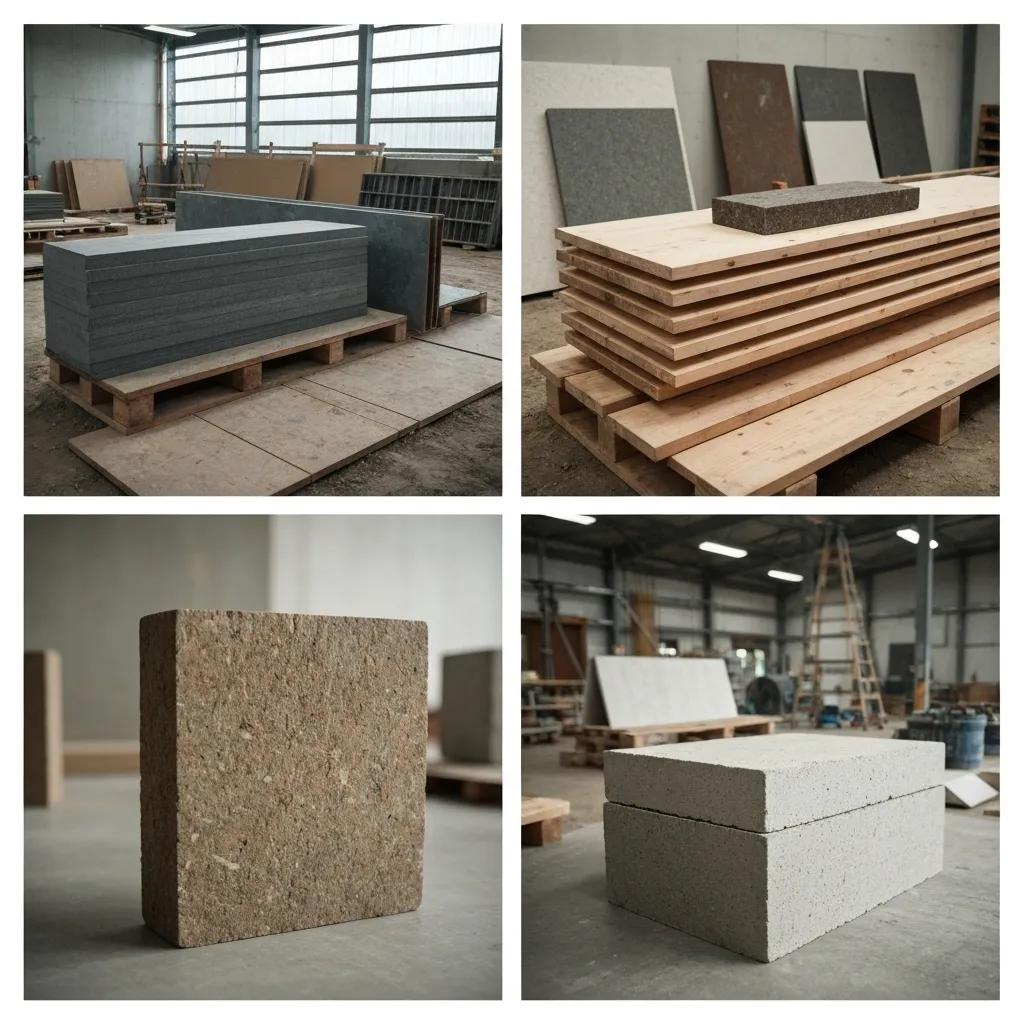
Sustainable structural materials such as recycled steel, mass timber, and low-carbon concrete are not just strong; they’re instrumental in reducing environmental impact and advancing Atlanta’s green building aspirations.
Georgia is home to a growing number of companies offering sustainable building materials, from recycled steel and bamboo to low/no VOC options, all supporting the shift towards eco-friendly construction. These materials are key to minimizing environmental impact and boosting building performance.
This offers a glimpse into the readily available sustainable material options right here in the Atlanta area, reinforcing our discussion.
Let’s break down the environmental benefits of these leading sustainable materials:
Strut EandI is your guide through the material selection maze. We start with thorough site assessments, conduct detailed life-cycle analyses, and connect you with trusted, certified suppliers.
Our approach ensures you select materials that perfectly align with your project’s budget, aesthetic vision, and sustainability targets.
Atlanta’s unique climate, its robust supply chains, and specific regulatory demands all play a crucial role in guiding material selection for construction projects.
Look no further than a striking mixed-use high-rise in Midtown featuring recycled steel framing, or a suburban school campus that masterfully employs mass timber columns. These projects are prime examples of how green materials can be expertly integrated into structural systems, setting new benchmarks for sustainable innovation across Atlanta.
Structural engineers aiming for LEED certification follow a structured, multi-stage process:
This rigorous process ensures projects achieve the desired certification level—Certified, Silver, Gold, or Platinum—while showcasing exceptional green structural engineering expertise.
LEED certification offers concrete advantages that strongly appeal to investors and occupants in Atlanta’s competitive real estate market.
These benefits translate into higher occupancy rates, a stronger community image, and sustained asset appreciation over time.
Our dedicated Atlanta team is equipped to support you through every phase of the LEED certification journey, offering:
Strut EandI’s integrated approach simplifies the LEED process and maximizes your potential for earning certification points.
Atlanta projects often face challenges related to documentation bottlenecks, discrepancies in energy modeling, and limitations in sourcing specific materials.
Addressing these potential roadblocks early in the design phase is crucial for keeping projects on schedule and within budget.
Energy-efficient structural systems are key to reducing operational energy demands and enhancing thermal performance, directly supporting Atlanta’s ambitious goals for low-carbon urban development.
Atlanta is actively pursuing energy efficiency through initiatives like the Atlanta Better Buildings Challenge and its Clean Energy Plan, all aimed at cutting energy consumption and championing sustainable building practices. These efforts are vital for a cleaner urban environment.
This underscores the city’s commitment to energy-efficient systems and their transformative impact on buildings.
Optimized building envelopes are designed to minimize heat transfer by ensuring continuous insulation, employing high-performance glazing, and achieving superior airtightness.
These strategies can slash heating and cooling loads by up to 30%, leading to substantial reductions in HVAC energy consumption.
Atlanta has adopted an ordinance requiring the use of light-colored, reflective materials for new and replacement roofs to combat the urban heat island effect. This forward-thinking initiative is a key component of the city’s strategy for climate change adaptation and enhanced energy efficiency.
This highlights a practical measure supporting energy-efficient structural systems and their positive influence on Atlanta’s built environment.
Passive design leverages natural forces—like solar orientation, daylighting, and natural ventilation—to minimize reliance on mechanical systems.
By harnessing these passive techniques, buildings can maintain comfortable conditions with significantly less active energy input.
Strut EandI embeds energy efficiency into the core of our structural concepts through:
Our multidisciplinary coordination ensures that structural elements actively support and enhance overall building energy performance goals.
Consider a recently completed office campus in Midtown, featuring a post-tensioned slab system with integrated radiant heating loops, or a South Atlanta community center utilizing high-thermal-mass concrete floors for superior climate control. Both projects showcase measurable energy savings and enhanced occupant comfort, driven by smart structural design.
Resilient structural designs are built with the future in mind, proactively incorporating defenses against climate risks like flooding and high winds, and utilizing durable materials to safeguard investments and communities for the long haul.
Atlanta is actively developing a Climate Resilience Action Plan to confront the escalating impacts of climate change, including extreme weather events and rising heat. This comprehensive plan emphasizes community involvement to forge a more resilient and equitable city.
This underscores the critical role of climate-adaptive designs in shaping a more secure and sustainable Atlanta skyline.
Structural resilience strategies are designed to counter severe weather by elevating essential systems, reinforcing lateral load paths, and engineering for hydrostatic pressures.
These critical measures protect assets and ensure continued building functionality, even during extreme weather events.
Durable materials are selected for their ability to resist moisture, temperature fluctuations, and urban pollutants, thereby extending a building’s service life and minimizing maintenance needs.
Our climate-adaptive design methodology is comprehensive and includes:
This holistic approach ensures every structure we design is equipped to withstand evolving climate stressors.
Explore a dynamic riverfront mixed-use development that masterfully employs raised podium levels and integrated green roof systems. Or consider a sophisticated Buckhead office tower featuring aerodynamically sculpted façades and reinforced structural cores. Both are powerful demonstrations of innovative resilience, firmly anchored by cutting-edge green structural design.
Atlanta’s most forward-thinking developments serve as compelling case studies, illustrating how green structural design drives superior performance, enhances value, and creates positive community impact through ingenious engineering solutions.
For one condominium project, navigating tight urban site constraints and localized material shortages led Strut EandI to devise custom hybrid steel-timber frames and strategically source off-site prefabricated components. This innovative approach slashed on-site waste by 50% and accelerated the project schedule by a significant 20%.
Across our portfolio of case studies, key sustainable features consistently shine through:
These innovations powerfully demonstrate how structural design can actively advance both environmental stewardship and operational efficiency.
The following table highlights the tangible results achieved in notable projects:
By exploring these real-world examples, clients gain invaluable clarity on potential cost savings, the performance trade-offs of various materials, and proven methodologies. This empowers informed decision-making and builds confidence as you prepare to request a personalized consultation.
Securing expert structural guidance is the first step toward bringing your vision to life. Our streamlined consultation process ensures your project aligns perfectly with sustainable engineering best practices, paving the way for success from initial concept through final completion.
The Strut EandI Atlanta team harnesses deep knowledge of regional codes, supply chains, and climate nuances to:
Our local insight accelerates project timelines and maximizes sustainability outcomes.
Visit the Strut Engineering and Investment Atlanta office at 123 Peachtree Street NE, Suite 200, Atlanta, GA 30303. You can reach our expert team by calling (404) 555-1234 or sending an email to info@struteni.com. We’re available Monday through Friday, 8 AM–6 PM, ready to discuss your green structural design needs.
“Strut EandI’s mastery of mass timber design resulted in a breathtaking, eco-friendly atrium that surpassed our sustainability goals.” – Lead Architect, Midtown Development
“Our pursuit of LEED Platinum was remarkably smooth, thanks to Strut’s meticulous documentation and expert guidance.” – Project Manager, Buckhead Office Tower
“Energy savings and community engagement saw significant improvements after implementing Strut’s resilient framing recommendations.” – City Planner, Riverfront Redevelopment
Green structural design is actively redefining Atlanta’s skyline, driven by innovative materials, highly efficient systems, and resilient frameworks that deliver substantial environmental, economic, and social value. Partnering with Strut Engineering and Investment means tapping into local expertise, streamlined LEED support, and proven resilience strategies. These compelling case studies highlight the measurable impact of green engineering and showcase the consultative approach that turns ambitious visions into sustainable realities. Reach out to our Atlanta office today to start planning your next groundbreaking green structural design solution.