


Is your upcoming Atlanta construction endeavor poised for unwavering safety and seamless code adherence? Engaging local structural engineers for building projects brings a wealth of specialized knowledge regarding regional soil compositions, critical load capacities, and the intricacies of local permitting processes right to your doorstep. This comprehensive guide will illuminate why a local structural engineer is indispensable, delve into the spectrum of residential and commercial services offered, explore how rigorous inspections and codes shape project success, introduce you to the seasoned professionals at Strut Engineering & Investment, and provide a clear roadmap for requesting a consultation or a personalized quote.
A structural engineer is a licensed professional dedicated to ensuring every beam, column, and foundation element not only meets but exceeds stringent safety standards. Harnessing local expertise significantly mitigates the risks of code violations and unforeseen expenses. For instance, a deep understanding of Atlanta’s unique clay soil conditions is crucial for preempting foundation settlement issues.
Key advantages of collaborating with a local specialist include:
These strategic benefits lay a robust foundation for a fluid structural design process, safeguarding both your investment and the well-being of future occupants.
A structural engineer meticulously performs load analyses, designs robust support systems, and scrutinizes material specifications to guarantee the structural integrity of any building. They precisely calculate live and dead loads, evaluate the adequacy of beam dimensions, and meticulously verify connection details for both residential dwellings and commercial establishments.
Common responsibilities encompass:
Expert oversight throughout the design and construction lifecycle is paramount in preventing structural failures, thereby ensuring enduring residential comfort and robust commercial resilience.
Absolutely, a structural engineer is indispensable whenever your project involves significant structural modifications or introduces new load pathways. Typical scenarios necessitating their expertise include:
Engaging an engineer early in the process is key to averting costly redesigns and ensuring construction proceeds safely and in full compliance with all applicable codes.
Local building codes meticulously dictate design loads, anticipated wind speeds, seismic considerations, and material performance standards. Strict adherence to these regulations is fundamental for securing construction permits and ensuring public safety within Atlanta.
The International Building Code (IBC) establishes the benchmark for structural design, fire safety protocols, and accessibility standards. Compliance with these codes is non-negotiable for obtaining construction permits and upholding public safety in Atlanta.
Atlanta enforces the Georgia State Minimum Standard Building Code, which integrates key provisions from the International Building Code (IBC) concerning snow, wind, and seismic design. A thorough understanding of these regulations guides critical decisions regarding beam sizing, foundation depth, and the implementation of effective lateral-resistance strategies.
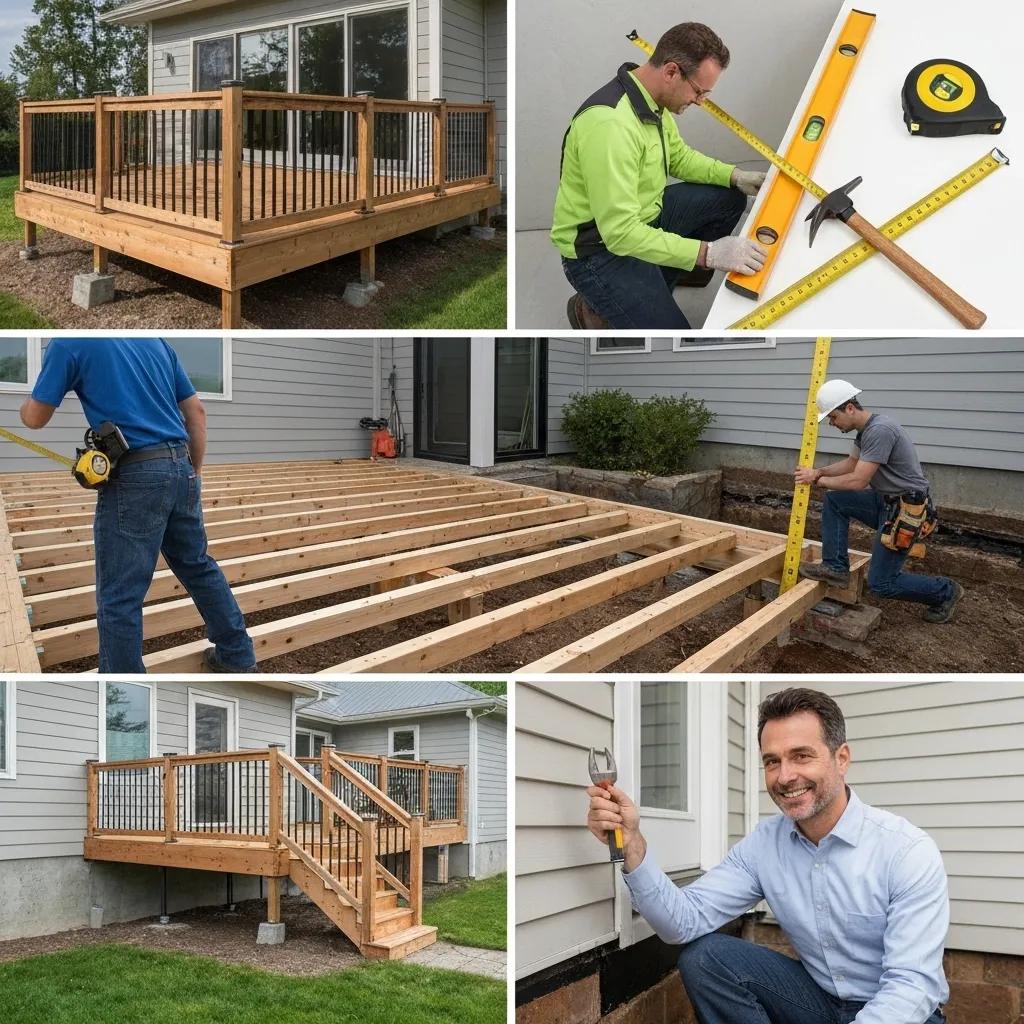
Residential structural engineering services span the entire spectrum, from critical foundation repairs to the meticulous design of decks and balconies, ensuring every component reliably meets stringent load and safety requirements. For homeowners, engaging a local engineer guarantees that foundations, additions, and outdoor structures perform flawlessly under both everyday use and extreme environmental conditions.
LB Structural Engineering provides a comprehensive suite of structural engineering and inspection services throughout Atlanta, encompassing design, meticulous inspections, and proactive project management. Since 1996, they have cultivated a distinguished reputation for delivering dependable and innovative solutions precisely tailored to the unique demands of each project.
This integrated suite of services supports every phase of residential construction or renovation with unparalleled precision and invaluable local insights.
The process of foundation repair and design commences with a thorough soil evaluation to ascertain bearing capacity, followed by the precise sizing of footings and the specification of reinforcing steel. Local engineers meticulously:
This meticulous, data-driven approach restores structural integrity and aligns perfectly with Atlanta’s distinctive soil characteristics.
The successful execution of home additions and load-bearing wall removals hinges on precise load path redesign to safely transfer roof and floor loads. Engineers expertly:
Properly engineered modifications are essential to prevent sagging floors and unsightly wall cracks, ensuring durable and aesthetically pleasing home improvements.
The design of safe and code-compliant decks and balconies integrates rigorous structural load analysis, careful material selection, and meticulous attention to guardrail performance. Local engineers:
This comprehensive process results in outdoor spaces that are not only secure and code-compliant but also built to withstand both daily use and extreme weather events.

Commercial structural engineering encompasses the design of new buildings, support for renovations, and specialized solutions for industrial facilities or multi-family dwellings. Structures engineered with precision protect business assets, accommodate demanding live loads, and ensure compliance with critical accessibility and fire-safety regulations.
Structural engineers meticulously develop new commercial building designs by creating sophisticated 3D models, performing rigorous load calculations, and specifying high-performance material grades. Their process involves:
This systematic approach yields structures that are not only cost-effective and code-compliant but also construction-ready.
Engineers expertly evaluate existing structures and propose tailored reinforcement or reconfiguration solutions for renovations. Their services include:
These critical interventions empower tenants to adapt their spaces without compromising the building’s fundamental stability.
Industrial and multi-family projects demand highly customized solutions to manage heavy loads and complex, repetitive layouts. Engineers adeptly:
This specialized planning ensures the highest levels of safety, functionality, and code adherence in even the most complex environments.
Structural assessments and inspections involve a systematic and thorough review of a building’s condition to proactively identify and address potential issues before they escalate. This critical process detects subtle cracks, deflections, and material degradation that could compromise safety, providing invaluable peace of mind to both prospective buyers and current owners.
Assessments and pre-purchase inspections encompass meticulous visual surveys, thorough checks of load-bearing components, and the generation of detailed reports. These typically involve:
Buyers gain critical, actionable insights into potential repair needs and associated liabilities.
Forensic engineers meticulously investigate structural failures by combining on-site observation, advanced material testing, and in-depth analysis of design documents. Local evaluations meticulously:
This diagnostic approach is crucial for resolving legal disputes and guiding accurate, effective restoration efforts.
Navigating Atlanta’s complex building codes requires an intimate familiarity with zoning ordinances, stormwater management regulations, and stringent structural design standards. Engineers expertly translate these code requirements into practical design parameters, ensuring projects precisely meet all height, setback, and load specifications.
Key steps in mastering code navigation include:
The Georgia State Minimum Standard Building Code, which is based on the 2018 International Building Code (IBC) and enhanced with Georgia-specific amendments, is the governing standard in Atlanta. This code integrates crucial aspects from the IBC concerning snow, wind, and seismic design, ensuring the safety and legal approval of all construction projects.
This authoritative source confirms the precise building codes that structural engineers operating in Atlanta must meticulously adhere to, underscoring the article’s central theme of local code compliance.
Atlanta’s structural code requirements meticulously address load combinations, material strengths, and the critical aspect of lateral-force resistance. Essential provisions include:
The City of Atlanta mandates that all structural designs employing Structural Composite Lumber (SCL) must be meticulously designed and officially sealed by a licensed professional engineer. This specific interpretation ensures unwavering consistency and strict code compliance for all residential construction documents.
This vital citation reinforces the article’s emphasis on the indispensable role of licensed engineers and the paramount importance of code compliance within Atlanta.
Structural engineers significantly streamline the permit application process by meticulously preparing sealed drawings, comprehensive compliance narratives, and detailed engineering calculations. They consistently:
This dedicated, hands-on support ensures permits are secured efficiently and with absolute accuracy.
Strut Engineering & Investment proudly brings together a team of licensed professionals possessing advanced academic credentials and extensive regional expertise, dedicated to delivering highly precise structural solutions. For a comprehensive company overview and detailed team credentials, please visit Strut Engineering & Investment – Overview | LinkedIn.
Our accomplished team seamlessly blends rigorous academic training with invaluable hands-on project experience, enabling us to expertly navigate Atlanta’s unique challenges and consistently deliver dependable, high-performance results.
Emad, our Founder and CEO, holds an M.S. in Structural Engineering and is licensed to practice in an impressive 28 states plus the District of Columbia. Adel Badiee, P.E., PMP, excels in project management and holds professional licenses in five states. For our office location and operating hours, please refer to Strut Engineering & Investment – Google Maps.
Each of our lead engineers actively participates in professional society memberships and engages in continuous professional development to uphold the most rigorous industry standards.
Our engineers’ extensive track record across a diverse range of residential, commercial, and forensic projects throughout Atlanta empowers us to rapidly identify complex soil-structure interactions, stay ahead of code updates, and master permitting nuances. Follow our journey and project highlights on STRUTENI – Home | Facebook for engaging content and community updates.
These invaluable local insights accelerate critical decision-making processes and optimize structural designs for the specific conditions prevalent in the region.
Choosing the ideal structural engineer involves a careful evaluation of credentials, demonstrated local experience, and alignment with your specific project requirements. A clearly defined selection process ensures you partner with professionals who perfectly match your project scope and budget.
Key selection criteria include:
Identify engineers who:
Selecting an engineer equipped with the relevant skills and advanced tools significantly reduces project risk and enhances the likelihood of a successful outcome.
Consultation fees can vary based on project complexity, but initial meetings typically range from $300 to $800. Factors influencing the final cost include:
A clear understanding of fee structures is essential for accurate budgeting and effective comparison of proposals.
To discuss your project in detail and receive a personalized quote, please complete our convenient online form at Contact Us – Strut Engineering & Investment or contact our Atlanta office directly by phone.
Our dedicated team provides prompt responses to thoroughly evaluate your project needs, outline clear deliverables, and establish a precise timeline for our structural services.
Integrating specialized local structural expertise from the very inception of your project ensures your Atlanta building endeavor meets the highest safety standards, maximizes operational efficiency, and achieves enduring performance. Partner with Strut Engineering & Investment to leverage invaluable regional code knowledge, advanced analysis methodologies, and unwavering client support. Reach out to us today to embark on a structurally sound and fully compliant construction journey.