

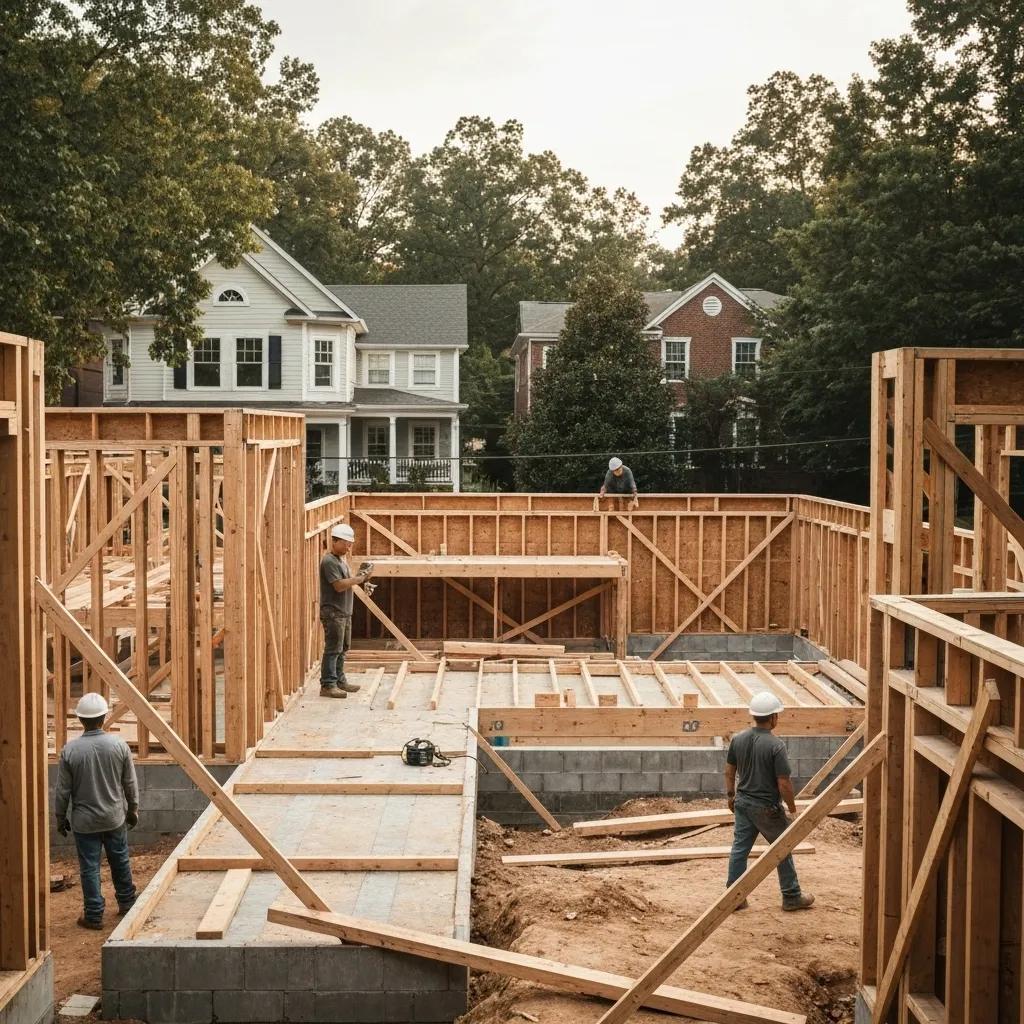
Getting a handle on residential structural design in Atlanta is key to making sure your home project is safe, solid, and built to last. With Atlanta’s tricky clay soils, unpredictable rain, and specific local rules, every home needs a design that fits just right, from the ground up to the roof. This guide breaks down what residential structural design is all about, how Atlanta’s environment shapes the engineering choices, the big differences between building new and renovating, what materials to consider, code requirements, and how to pick the best engineer for the job. We’ll also show you how Strut Engineering and Investment’s top-notch Atlanta structural engineering services can be your go-to for your next project, bringing together local know-how, clear communication, and smart, cost-effective solutions.
Residential structural design is all about the methods and calculations that make sure a home’s foundation, framing, and critical support parts work together perfectly. They’re designed to handle gravity, weather, and everyday use for years to come. By looking at soil conditions, the weight a home needs to support, and what materials are used, structural engineers keep homeowners and builders safe from problems like sinking foundations or sagging frames. In Atlanta’s diverse landscape and climate, smart structural design means fewer repair bills, less water damage, and staying on the right side of local regulations.
A residential structural engineer in Atlanta checks out the site, designs the foundation, and figures out the best framing to support everything from the roof to the walls. They create official drawings needed for permits, team up with architects and contractors on structural changes, and inspect the work to make sure it meets all the rules. Their job is to balance safety, budget, and looks, all while dealing with Atlanta’s clay soil and storm loads.
A home’s structural strength comes down to three main players:
Each piece needs to work perfectly with the others to ensure loads travel smoothly and to avoid uneven settling. Knowing these parts helps you make smarter choices for any home project and leads right into how Atlanta’s environment influences these decisions.
Knowing how structural designs can vary helps homeowners get a better idea of costs, timelines, and what maintenance might be needed down the road. Whether you’re building from scratch or sprucing up an existing home, understanding the differences in foundation types, framing methods, and local codes in Atlanta empowers you to get accurate quotes, sidestep surprise repairs, and protect your property’s value. This knowledge sets the stage for diving into the local environmental factors that really shape design strategies.
Atlanta’s ground conditions and weather directly affect foundation choices, how well materials hold up, and how resistant a home is to storms. Engineers have to think about expansive clay soils, heavy rain throughout the year, classic architectural styles, and the latest updates to the International Residential Code that the city adopts.

The clay soils around Atlanta tend to swell up when they get wet and shrink when they dry out. This can push foundations upward or cause them to settle unevenly. For shallow slab-on-grade foundations, this often means needing special moisture barriers and reinforced edges to spread the load evenly. Using deeper footings or pier-and-beam systems can help manage this movement and keep the structure sound as the soil changes.
The ground conditions all over the metro Atlanta area present quite a few challenges for building foundations. In some spots, the soil is loose and granular, while in others, it’s soft and clay-like. Because of this, many buildings end up settling unevenly over time, which can lead to cracks forming in the foundation.
This quote highlights how Atlanta’s soil conditions can cause foundation issues.
Lots of rain and the possibility of serious storms mean that elevated floor systems, smart drainage plans, and strong connections to resist wind are crucial. Engineers will specify fasteners that won’t rust, design roof trusses with good bracing, and include gutters and grading that direct water away from the foundation. These steps are vital for preventing water damage and keeping the structure strong over time.
Atlanta’s homes feature a mix of styles like Craftsman bungalows, Colonial revivals, and modern infill houses—each with its own structural demands. Bungalows might need extra support for their original pier-and-beam foundations, while Colonial-style homes often require stronger lintels above large windows. Modern designs might feature open layouts that depend on engineered beams or steel supports instead of traditional load-bearing walls.
Local updates to the 2018 International Residential Code take into account wind speeds, seismic activity, and specific soil reports for the area. Engineers need to follow the City of Atlanta’s guidelines for how roofs are tied down, requirements for shear walls, and how deep foundations must go. Sticking to these rules helps get permits approved smoothly and ensures that necessary upgrades, like seismic anchors or hurricane clips, are part of the initial design.
Georgia follows the International Building Code (IBC) and International Residential Code (IRC), along with state-specific amendments. These codes, plus others like the National Electrical Code, set the minimum standards for construction to ensure safety and structural integrity.
This source explains the building codes that structural engineers in Atlanta must adhere to.
Building something new and renovating an existing structure come with different challenges. New construction starts with a clean slate, involving site analysis and complete structural planning. Renovations, on the other hand, require a careful look at existing support systems and how new elements will work with older materials.
Designing a new home involves thorough site surveys, geotechnical reports, and soil borings. Based on these findings, engineers choose the right foundation type—slab, crawl space, or basement—and design the complete framing system. Working closely with architects ensures that structural elements align with window placements, rooflines, and open-concept layouts, resulting in cohesive plans ready for permits and building.
Renovations and additions demand precise mapping of the existing structural components. Taking out or changing load-bearing walls requires temporary supports, designing transfer beams, and figuring out the best connections to link new framing with the old. If new footings aren’t sized and reinforced correctly, the difference in settling between new and old foundations can lead to cracks.
New builds often use optimized slab-on-grade systems designed for even loads. Renovations, however, might need specific piers or extra footings to handle increased load concentrations. Engineers assess the soil conditions next to existing foundations and might suggest underpinning or micro-piers to connect new sections without putting too much stress on older footings.
These foundation systems balance cost and performance in Atlanta’s soil conditions. Picking the right one helps prevent moisture problems and ensures long-term stability.
Engineers trace how loads travel from the roof down to the foundation in existing structures. Then, they design new beams, columns, or lintels to handle the shifted loads. Connections between new and old framing use steel brackets or engineered wood products to maintain continuous structural integrity and prevent stress points under changing loads.

Understanding local codes and the permitting process is key to staying compliant, avoiding delays, and protecting your investment.
Georgia’s Minimum Standard Codes set requirements for live loads (40 psf for floors, 30 psf for roofs), wind speeds (90 mph), and seismic design categories. The City of Atlanta adds its own rules, like stricter requirements for shear wall nailing, hurricane ties for rafters, and specific foundation depths. Following these mandates helps avoid costly redesigns during plan reviews.
Atlanta’s building codes are city-specific regulations designed to ensure safety, efficiency, and structural soundness in construction projects. They cover everything from the materials used to the design of plumbing, electrical, and HVAC systems.
This source emphasizes the importance of knowing Atlanta’s building codes for construction and renovation projects.
Permit applications for new builds include site plans, structural calculations, and geotechnical reports. Renovation permits often require comparisons with existing plans, summaries of structural changes, and confirmation of the current conditions. The time it takes can vary, from about two weeks for small additions like decks to six weeks for major remodels.
Local code inspectors might ask for extra shear wall panels in older neighborhoods, additional anchoring in historic areas, or third-party soil reports for heavily wooded lots. Talking openly with permitting offices and providing thorough documentation in your plans can speed up approvals and keep projects on track.
Picking an experienced engineer means getting accurate designs, efficient timelines, and reliable cost estimates.
Engineers in Atlanta must have a Professional Engineer (PE) license in Georgia, be members of the Structural Engineers Association of Georgia, and keep up with continuing education credits.
Engineers in Atlanta need a Professional Engineer (PE) license and local knowledge to handle the city’s unique building codes and environmental factors. Local expertise is essential for creating solutions that are a perfect fit.
This source stresses the importance of qualifications and local experience for structural engineers in Atlanta.
Local expertise means a deep understanding of how soils behave, city-specific code amendments, and common storm impacts. Checking an engineer’s local presence, perhaps through online maps, can confirm they offer responsive site visits and timely inspections tailored to Atlanta’s conditions.
Effective teamwork starts with planning meetings where structural needs are aligned with the architect’s vision. Engineers provide design intent drawings, join in construction reviews, and make adjustments to framing details on-site. This collaboration cuts down on change orders, ensures safety, and helps control costs across all trades. Connect with us on Facebook for project highlights and insights from peers.
Fees for inspections typically range from $500 to $800, while full structural designs for new homes usually fall between $2,000 and $5,000. Factors like project complexity, foundation type, and the need for calculations for unique features such as cantilevers or vaulted ceilings play a role. Clear proposals help homeowners budget accurately before construction begins.
Strut Engineering and Investment combines in-depth local knowledge, straightforward communication, and efficient processes to deliver safe, code-compliant residential designs throughout the greater Atlanta area.
Our comprehensive Atlanta structural engineering services include foundation design, framing plans, renovation support, load-bearing wall analysis, and permit-ready documentation for both new builds and remodels.
By using geotechnical data on clay soil behavior, specifying foundation systems designed for moisture control, and engineering wind-resistant framing connections, we prevent common issues like cracked slabs and rafters lifting. Our proactive approach ensures long-term structural health in Atlanta’s climate.
To get your residential project started, please request a structural design consultation through our contact form or by calling us. We’ll review your project scope, provide a clear fee estimate, and schedule an on-site assessment to kick things off efficiently.
Atlanta homeowners and professionals can count on a well-structured, locally-focused engineering process to protect their investments, meet code requirements, and achieve their design goals. From understanding foundation solutions driven by soil conditions to navigating permit complexities and selecting the right materials, expert guidance makes every step smoother. Partner with Strut Engineering and Investment for custom residential structural design that boosts safety, durability, and value—reach out to us today to start your consultation.
Related reading: One of the most common residential structural projects in Atlanta is adding a second story. See Second-Story Addition Cost vs. Moving and our second-story addition structural engineering services.