

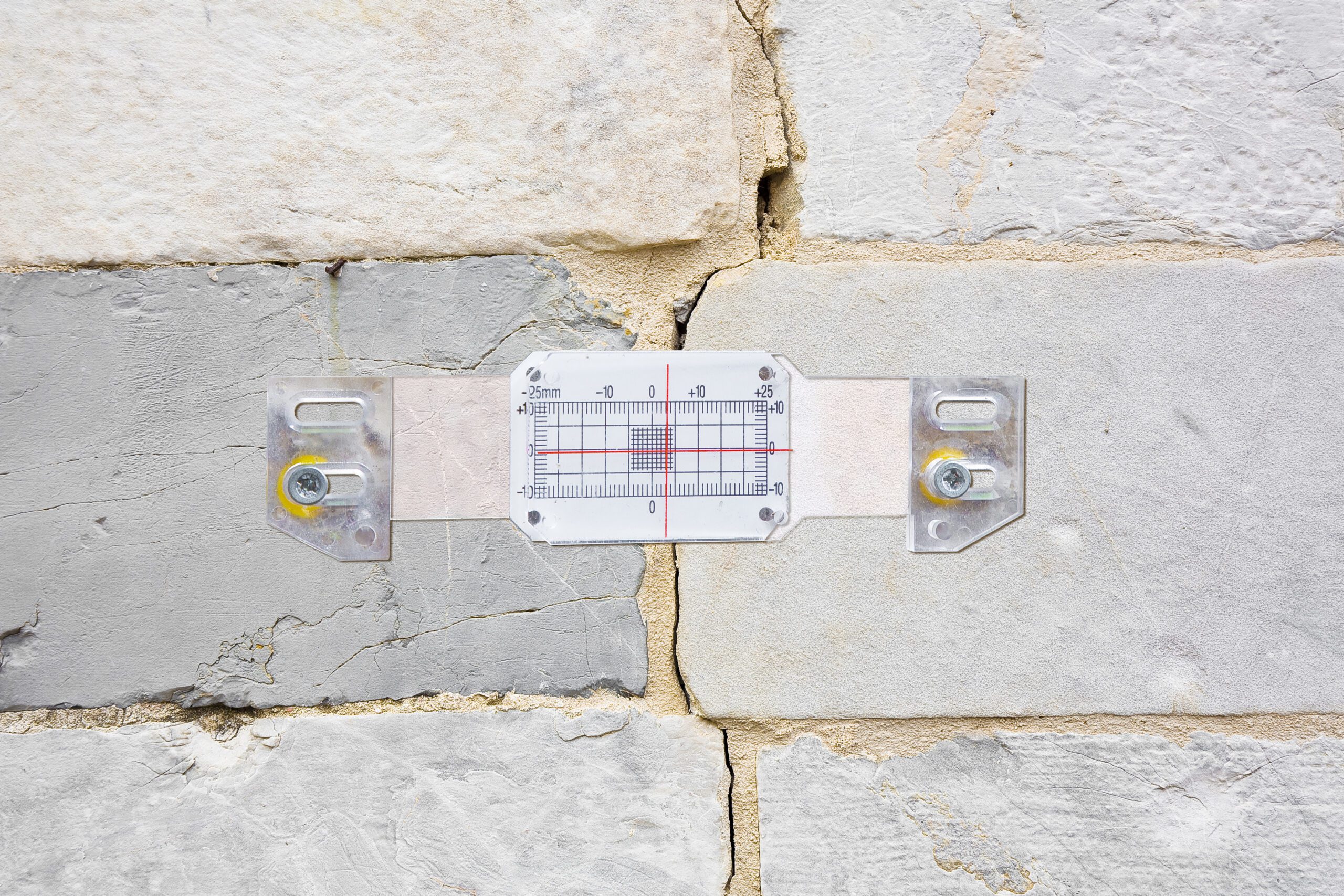
Foundation settlement quietly compromises many homes before visible signs appear. You might notice sloped flooring but wonder if it’s just a cosmetic flaw or a deeper structural concern. Understanding these issues in residential properties is key to protecting your home’s safety and ensuring building code compliance. We’ll guide you through what causes these problems and how expert structural assessment and foundation repair can restore your home’s integrity. Learn more about these issues by visiting this resource.
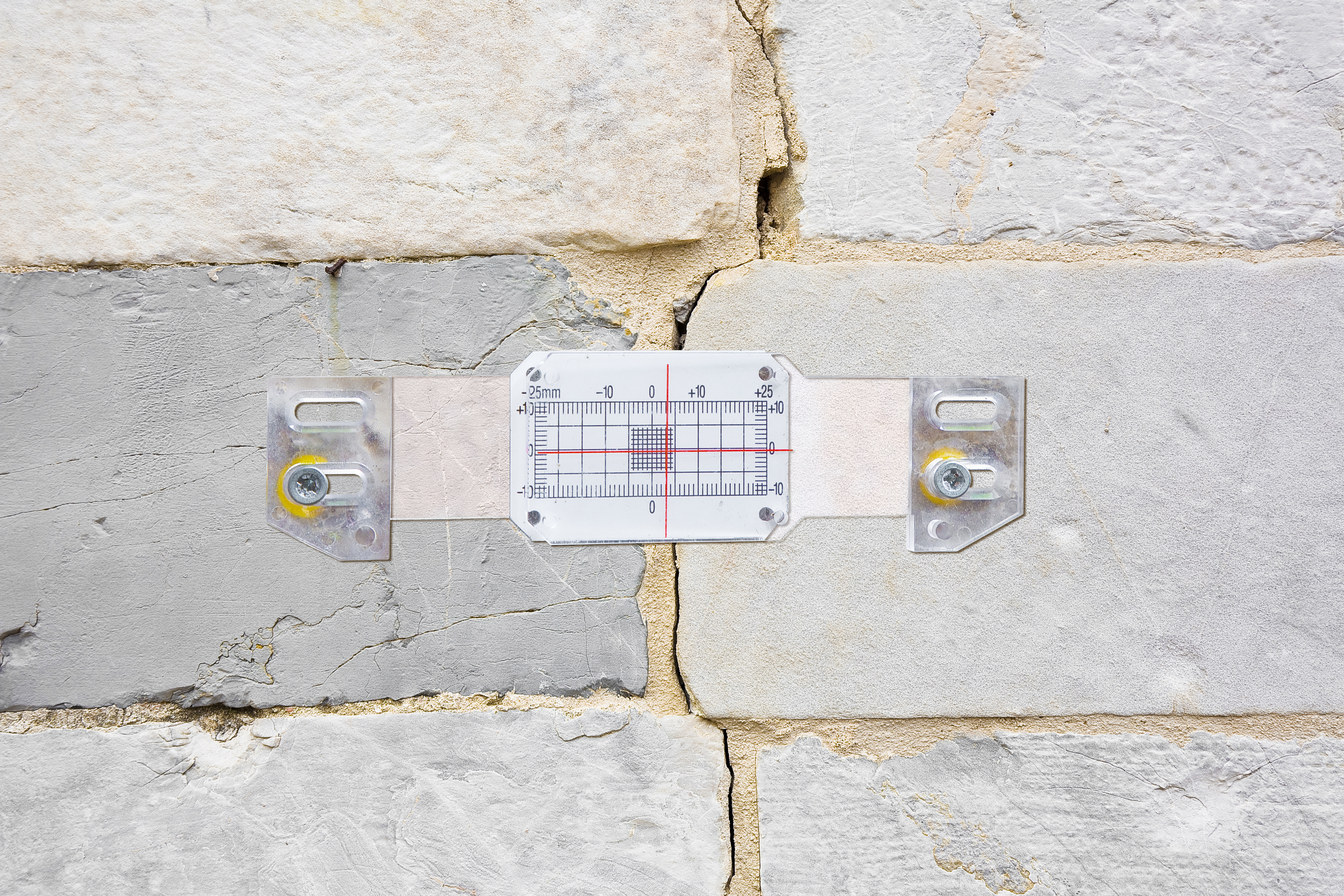
Foundation settlement is a gradual process that can have significant impacts on your home. It’s crucial to understand the underlying causes to better address the issue.
The ground beneath your home plays a major role in its stability. Soil type and moisture levels are key factors. Clay soils, for instance, expand and contract with moisture changes, putting pressure on the foundation. Sixty percent of homes in the U.S. are built on expansive clay soil, which can lead to settlement. This movement causes foundations to sink or shift over time. Regularly checking the moisture level around your property can prevent major issues. Installing proper drainage systems can also help manage water levels, reducing the risk of damage.
The way your home was built can also contribute to settlement. Poor construction practices, such as inadequate soil compaction, can lead to immediate problems. Builders sometimes overlook the importance of proper soil preparation, resulting in weak foundation support. In some cases, even new homes experience settlement due to these oversights. Investing in a quality inspection before buying or building can save you from future headaches. By knowing the history of your home’s construction, you can identify potential risks early on.

Noticing a sloped floor can be unsettling, but it’s important to identify the signs early and understand their implications.
Sloped flooring often starts subtly. You might notice furniture leaning or doors not closing properly. These small changes can be easy to dismiss but should not be ignored. Twenty percent of all homes experience sloped floors at some point. Early detection is key to minimizing damage. Regularly walking through your home and paying attention to these details can help catch issues before they escalate. Using a level tool can also provide clarity on whether your floors are truly uneven.
Sloped flooring can indicate deeper structural issues. Over time, uneven floors can lead to cracks in walls and ceilings. This can compromise your home’s structural integrity and safety. If left untreated, it might even affect your building’s compliance with codes. Recognizing these signs early allows you to seek professional help. A structural assessment will provide insights into the extent of the issue and the necessary steps for repair. Learn more about signs and symptoms from this helpful guide.
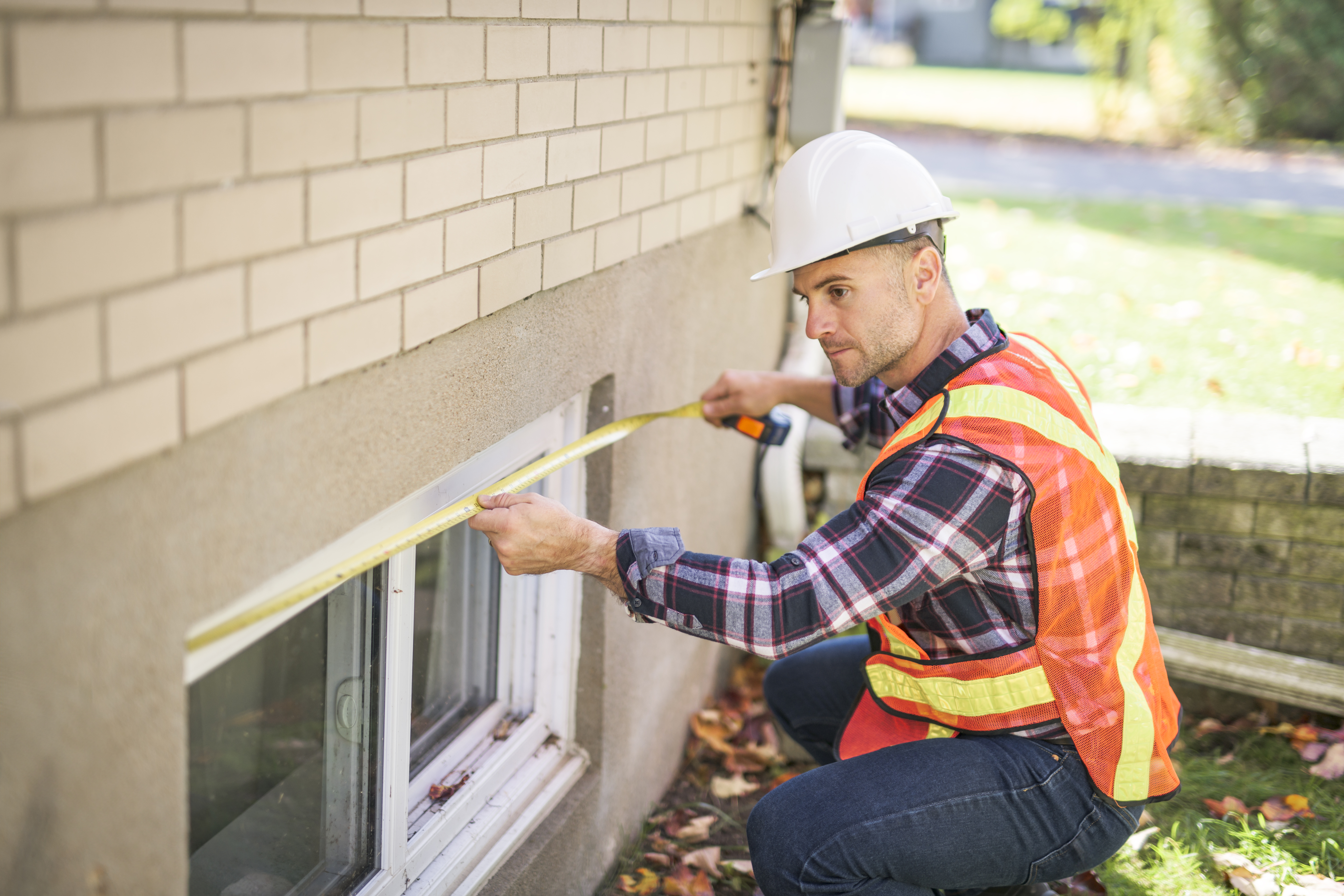
Restoring your home’s stability requires a thoughtful approach. Expert assessments and repair techniques are crucial steps.
Before any repair, understanding the scope of the problem is vital. A structural assessment evaluates the condition of your foundation and identifies the root causes. Professionals use advanced tools and methods to provide a comprehensive analysis. They look for signs like cracks and shifts to determine the best course of action. This step ensures that any repair work addresses the actual issues, not just the symptoms. By investing in a detailed assessment, you lay the groundwork for effective and lasting solutions.
Once an assessment is done, various repair techniques can be applied. Common methods include underpinning and pier installation. These techniques strengthen the foundation and correct any existing sloping. Thirty percent of foundation issues can be resolved through these methods alone. Selecting the right technique depends on the specific conditions of your home. Working with experienced professionals ensures that the repairs are both effective and durable. This approach not only resolves current issues but also safeguards your home against future problems. For more information on repair techniques, check out this detailed article.
By understanding the causes and solutions for foundation settlement and sloped flooring, you can protect your home and maintain its integrity for years to come. Always consult with experts, like Strut Engineering & Investment, to ensure your property remains safe and structurally sound.