Atlanta Commercial Structural Design: Precision Engineering for Your Projects
Atlanta’s booming commercial landscape demands meticulous engineering for every new structure, from towering offices to vibrant mixed-use developments. Commercial structural design is the bedrock of these projects, involving the precise calculation, definition, and detailing of load-bearing systems to ensure unwavering safety, strict compliance, and enduring performance under Georgia’s specific codes and site conditions. At Strut Engineering, our Atlanta-based structural engineers leverage deep local insight, cutting-edge analytical tools, and a collaborative spirit to craft robust frameworks for private enterprises, architects, developers, contractors, and public agencies alike. This guide will delve into:
The essence and critical importance of commercial structural design in Atlanta.
Strut Engineering’s distinctive approach and our local advantages.
Key structural considerations for various building typologies.
The pivotal roles of structural analysis and foundation design in ensuring building integrity.
Essential licensing requirements and the imperative of code adherence.
A clear, step-by-step walkthrough of our design methodology.
How to initiate a consultation and prepare your project for success.
Together, these sections will illuminate how expert structural design fuels Atlanta’s commercial expansion and paves the way for your project’s triumphant realization.
What Exactly Are Commercial Structural Design Services, and Why Are They Indispensable in Atlanta?
Commercial structural design services encompass the entire process of developing robust structural systems—whether steel, concrete, or composite—to safely and efficiently support commercial buildings. By meticulously integrating load calculations, adherence to local building codes, thorough soil investigations, and diligent construction oversight, these services significantly mitigate risks, optimize material usage, and secure essential permit approvals within Atlanta’s complex regulatory framework. For instance, engineering a multi-story retail complex in Buckhead necessitates precise wind load assessments, careful selection of foundation types suited for Georgia’s clay soils, and strict compliance with the International Building Code as adopted statewide.
Atlanta Structural Engineering Services
LB Structural Engineering provides a comprehensive suite of structural engineering and inspection services across Atlanta, GA, including expert structural design, thorough inspections, advanced BIM modeling, and proactive project management for both commercial and residential ventures.
What Does Commercial Structural Engineering in Atlanta Entail?
Commercial structural engineering in Atlanta involves a multifaceted approach, including:
Thorough Site Assessment and Geotechnical Review to ascertain soil bearing capacities and subterranean water conditions.
Precise Load Calculation and Analysis to account for gravity, wind, seismic, and live load demands.
Strategic Framing System Selection, choosing optimal solutions like steel moment frames, braced frames, or reinforced concrete based on specific span requirements.
Robust Lateral Force Design to effectively resist wind and seismic forces through shear walls or braced bays.
Diligent Code Compliance and Permit Coordination with the Atlanta Department of City Planning.
These critical phases ensure a building’s unwavering stability from its initial design conception through to its final construction.
How Do Structural Design Services Propel Atlanta’s Commercial Building Boom?
Structural design services are instrumental in advancing commercial growth by:
Guaranteeing Safety and Code Adherence – proactively preventing structural failures and costly legal entanglements.
Optimizing Material Efficiency – reducing steel tonnage or concrete volume to achieve significant cost savings.
Expediting Approvals – delivering clear, comprehensive structural documentation that accelerates the permitting process.
Enabling Design Flexibility – implementing long-span systems that create expansive, open floor plans for enhanced tenant appeal.
Facilitating Adaptive Reuse – expertly assessing and upgrading existing structures to accommodate new functions and purposes.
These capabilities foster robust confidence among developers and investors, acting as a powerful catalyst for sustained expansion.
Which Commercial Building Types Demand Specialized Structural Design Expertise?
Atlanta’s diverse building sectors each present distinct structural challenges and requirements:
Office Buildings, which require expansive column-free floor plates and robust core stability to withstand lateral forces.
Retail Centers, necessitating wide clear spans for flexible storefront layouts and the support of substantial display loads.
Industrial Facilities and Warehouses, demanding high roof load capacities, specialized crane support, and generous bay widths.
Mixed-Use Developments, which intricately combine residential components over commercial bases, requiring sophisticated load transfer solutions.
Tailoring structural schemes to the unique functional demands of each building type ensures optimal performance and avoids unnecessary overdesign.
How Does Strut Engineering Deliver Superior Commercial Structural Design in Atlanta?
Strut Engineering provides exceptional commercial structural design in Atlanta by seamlessly integrating profound local code knowledge, state-of-the-art technology, and a deeply collaborative approach with all stakeholders. Our methodology meticulously combines site-specific analysis with rigorous quality control protocols to produce designs that are not only cost-effective and compliant but also eminently constructible.
What Distinct Local Expertise Does Strut Engineering Bring to Atlanta Projects?
Strut Engineering’s specialized local expertise encompasses:
An intimate understanding of Fulton and DeKalb County soil profiles and seismic considerations.
Well-established relationships with city plan reviewers, facilitating a smoother permit issuance process.
Extensive experience in interpreting and applying Georgia’s specific amendments to the International Building Code.
Familiarity with Atlanta’s historic districts, crucial for sensitive renovation and adaptive reuse projects.
Georgia State Amendments to the International Building Code
The Georgia State Minimum Standard Building Code governs the construction, alteration, and demolition of buildings and structures. The 2018 International Building Code, along with its Georgia Amendments, forms the official Georgia State Minimum Standard Building Code.
This deep regional insight is invaluable for preempting potential challenges during both the design and construction phases.
How Does Collaboration with Architects, Developers, and Contractors Elevate Project Outcomes?
Facilitating seamless coordination with contractors on intricate connection details and efficient erection sequencing for streamlined steel assembly.
Integrating developer budget constraints from the outset to guide optimal material selections.
Driving productive BIM coordination meetings to proactively identify and resolve system clashes before fabrication commences.
This unified workflow dramatically minimizes rework and ensures timely project delivery.
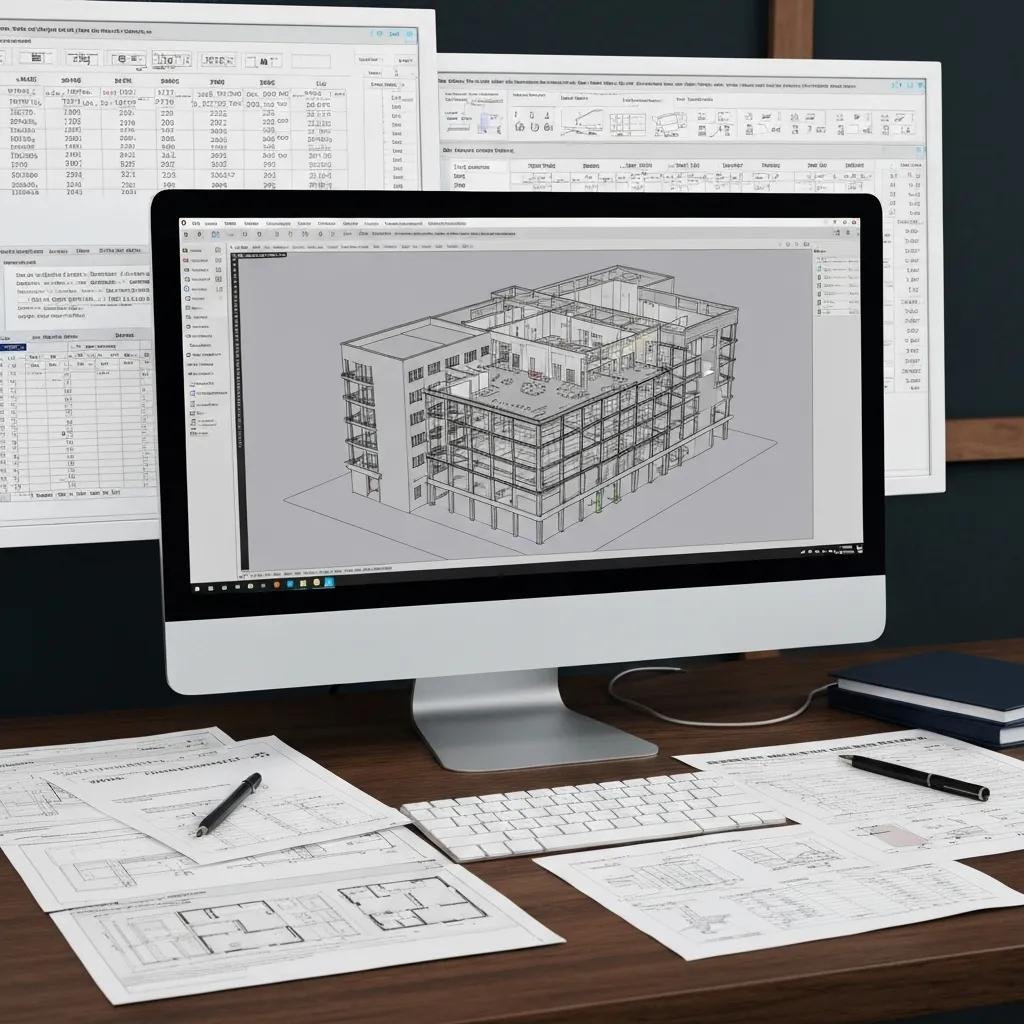
What Advanced Technologies and BIM Software Are Employed for Commercial Structural Design?
Strut Engineering utilizes industry-leading tools to ensure unparalleled precision and clarity in our designs. The following table highlights key software and their specific benefits:
Building Information Modeling Tool
Purpose
Benefit
Revit Structure
Parametric 3D modeling of structural components
Enables real-time design updates and sophisticated clash detection
ETABS
Advanced analysis and design for multistory buildings
Provides highly accurate simulations for lateral and gravity loads
STAAD.Pro
Comprehensive analysis for steel and concrete frames
Offers customized code checks and optimization routines
These powerful platforms generate coordinated, data-rich design deliverables that significantly enhance construction efficiency.
What Are the Crucial Structural Engineering Considerations for Atlanta’s Diverse Commercial Building Types?
Each distinct commercial building typology necessitates tailored structural strategies to effectively address gravity, lateral, and foundation-specific challenges. Achieving an optimal balance between performance and cost hinges on the judicious selection of appropriate materials, systems, and detailing protocols.
What Unique Structural Challenges Do Office Buildings in Atlanta Present?
Office towers commonly face these structural considerations:
Efficient Floor Plate Design to optimize column spacing, enhancing tenant flexibility and maximizing natural daylight penetration.
Robust Core Systems to ensure the stability of elevator shafts and stairwells under significant horizontal forces.
Vibration Control measures for sensitive areas, often requiring tuned mass dampers or increased floor stiffness.
These carefully implemented measures guarantee occupant comfort and structural resilience, particularly in high-rise applications.
How Is Retail Structural Engineering Specifically Adapted for Atlanta Shopping Centers?
Transfer Slab Systems designed to effectively redistribute loads from commercial podium levels to the residential towers situated above.
Progressive Collapse Mitigation strategies, implemented through continuity connections and redundancy in column layouts.
Fire Resistance Ratings precisely tailored to specific occupancies, often necessitating concrete shear walls or protected steel framing.
This sophisticated hybrid approach harmonizes diverse programmatic requirements within a cohesive structural framework.
How Do Commercial Structural Analysis and Foundation Design Guarantee Building Safety in Atlanta?
Commercial structural analysis meticulously quantifies all anticipated loads, while foundation design expertly adapts to Atlanta’s variable subsoil conditions, collectively preventing structural distress and mitigating settlement issues.
What is the Fundamental Role of Structural Analysis in Commercial Building Safety?
Structural analysis plays an indispensable role by:
Accurately evaluating gravity, wind, and seismic forces through advanced finite element modeling techniques.
Precisely identifying stress concentrations and defining deflection criteria for optimal serviceability.
Rigorously validating member sizes and connection details against code-mandated factors of safety.
This thorough review process confirms that every beam, column, and brace will perform reliably under all anticipated design conditions.
How Are Foundation Designs Specifically Adapted to Atlanta’s Soil and Geological Characteristics?
Foundation designs are meticulously tailored to local conditions, including:
Shallow Spread Footings, employed when suitable bearing strata are found within five feet of the surface, thereby reducing excavation expenses.
Pile Foundations, utilized in clay or alluvial soils to transfer building loads to deeper, more competent geological layers.
Underpinning Strategies, implemented during renovations to reinforce existing foundations beneath historical structures.
These specialized solutions are crucial for preventing excessive settlement and ensuring a stable, reliable base for all building loads.
When Does Forensic Engineering Become Necessary for Commercial Structural Assessments?
Forensic engineering is essential in situations such as:
The emergence of structural distress, like cracking or excessive deflection, within existing commercial buildings.
Unforeseen changes in load conditions resulting from tenant fit-outs or new equipment installations.
The requirement to reevaluate older structures to meet updated safety standards mandated by code revisions.
Through meticulous inspection, in-depth analysis, and expert remediation design, forensic engineering restores confidence in the structural integrity of buildings.
Why Are Georgia SE Licenses and Structural Engineer Qualifications Paramount for Commercial Projects?
Georgia’s stringent licensure framework ensures that only qualified professionals, possessing the requisite expertise and legal authority, are entrusted with engineering commercial structures.
What Are the Specific Licensing Requirements for Structural Engineers Practicing in Georgia?
To practice as a structural engineer in Georgia, candidates must successfully:
Obtain a Professional Engineer (PE) license by passing the NCEES examination.
Secure a Structural Engineer (SE) endorsement, which grants authorization to design specific structures exceeding certain height or occupancy thresholds.
Consistently fulfill continuing education requirements to remain abreast of the latest code revisions and best practices.
Georgia’s Professional Engineer and Structural Engineer Licenses
Georgia offers two distinct professional licenses for structural engineers: Professional Engineer (PE) and Professional Structural Engineer (SE). The SE license is a mandatory requirement for the design, signing, and sealing of “Designated Structures” as defined by Georgia’s PELS Board.
This information is vital as it clearly outlines the rigorous licensing prerequisites for structural engineers in Georgia, a cornerstone of delivering expert commercial structural design services.
How Does the SE License Influence the Design and Approval of Designated Structures?
An SE license significantly impacts projects by:
Providing the legal authority for the engineer to stamp and seal drawings for high-risk or complex structural projects.
Satisfying Georgia’s regulatory mandate for designated structures, including essential facilities like schools, hospitals, and high-rise buildings.
Streamlining the plan review process, as regulatory authorities recognize the specialized competency of SE-licensed engineers.
This official authorization not only expedites project approvals but also substantially enhances public safety.
How Does Strut Engineering Guarantee Adherence to Georgia Building Codes and Standards?
Strut Engineering maintains unwavering compliance through a systematic approach:
Continuously monitoring Georgia’s specific amendments to the International Building Code and relevant ASCE standards.
Integrating automated code checks directly into structural analysis software to promptly identify any nonconformities.
Implementing rigorous internal peer reviews to meticulously verify design adherence before official submission.
This multi-layered compliance strategy ensures that every project not only meets but consistently exceeds state and local regulatory requirements.
What Is the Standard Commercial Structural Design Process at Strut Engineering in Atlanta?
Our meticulously refined commercial structural design process ensures absolute clarity from the initial concept phase through to comprehensive construction administration, perfectly aligning project objectives with optimal structural performance.
How Does the Initial Consultation Effectively Define Project Scope and Objectives?
The crucial initial consultation serves to establish:
The project program and intended occupancies, clearly identifying all load-bearing requirements.
Key budget and schedule drivers, which guide the optimization of the design strategy.
Preliminary site constraints, including topography, existing utilities, and the proximity of neighboring structures.
This foundational alignment ensures that every subsequent design decision is strategically informed and purposeful.
What Are the Key Stages in Structural Analysis, Design, and Construction Administration?
The comprehensive structural design workflow encompasses the following essential steps:
Site Investigation – Thorough review of the geotechnical report and integration of site survey data.
Preliminary Design – Development of conceptual framing layouts and clear definition of load paths.
Detailed Analysis – Execution of finite element modeling and rigorous code compliance checks.
Construction Documents – Preparation and issuance of permit-ready drawings and detailed specification packages.
Bid Support – Promptly responding to contractor inquiries and issuing necessary addenda.
Construction Administration – Diligent review of shop drawings, conducting site visits, and providing timely RFI responses.
This end-to-end process guarantees that the original design intent is accurately translated into the final built structure.
How Does BIM Integration Enhance Collaboration and Project Efficiency?
Enabling seamless, real-time coordination among architectural, MEP engineering, and structural teams.
Automating clash detection processes to resolve spatial conflicts before any fabrication occurs.
Producing data-rich models that facilitate accurate cost estimation and material take-off.
These advanced capabilities effectively compress project schedules and substantially reduce costly field modifications.
How Can You Initiate a Consultation for Commercial Structural Design Services in Atlanta?
Engaging Strut Engineering for your next commercial project is a straightforward, client-centric process designed for your convenience.
What Essential Information Should You Prepare for Your Consultation?
Please prepare the following details for our discussion:
Site plans, existing architectural drawings, or geotechnical reports, if readily available.
A detailed project program, outlining expected occupancies and any special use requirements.
Your anticipated budget range, desired timeline, and any specific sustainability targets.
This comprehensive information will enable a highly efficient and productive project kickoff conversation.
How Does Strut Engineering Provide Ongoing Support to Clients Through Project Completion?
We are committed to supporting our clients throughout the entire project lifecycle by:
Providing transparent cost estimates, clearly delineating between design-phase and construction-phase expenses.
Scheduling regular progress reviews to ensure continuous alignment with your project goals.
Offering comprehensive post-construction evaluations to formally confirm structural performance.
This dedicated, ongoing partnership is designed to maximize your project’s value and ensure complete satisfaction.
Where Can You Locate Strut Engineering’s Atlanta Office and Find Our Contact Details?
Strut Engineering’s Atlanta office is strategically situated to provide optimal service to the entire metropolitan area. We encourage you to reach out to schedule a consultation or visit our headquarters for a personal discussion regarding your commercial structural needs.
Our unparalleled local expertise, advanced technical capabilities, and collaborative methodology firmly establish Strut Engineering as Atlanta’s premier partner for commercial structural design. From initial concept framing layouts to meticulous construction administration, we consistently deliver safe, cost-effective, and code-compliant solutions for every type of commercial building. Contact us today to precisely define your project scope, explore innovative structural systems, and secure expert guidance at every critical stage. We eagerly anticipate the opportunity to collaborate with you in shaping Atlanta’s dynamic skyline.