

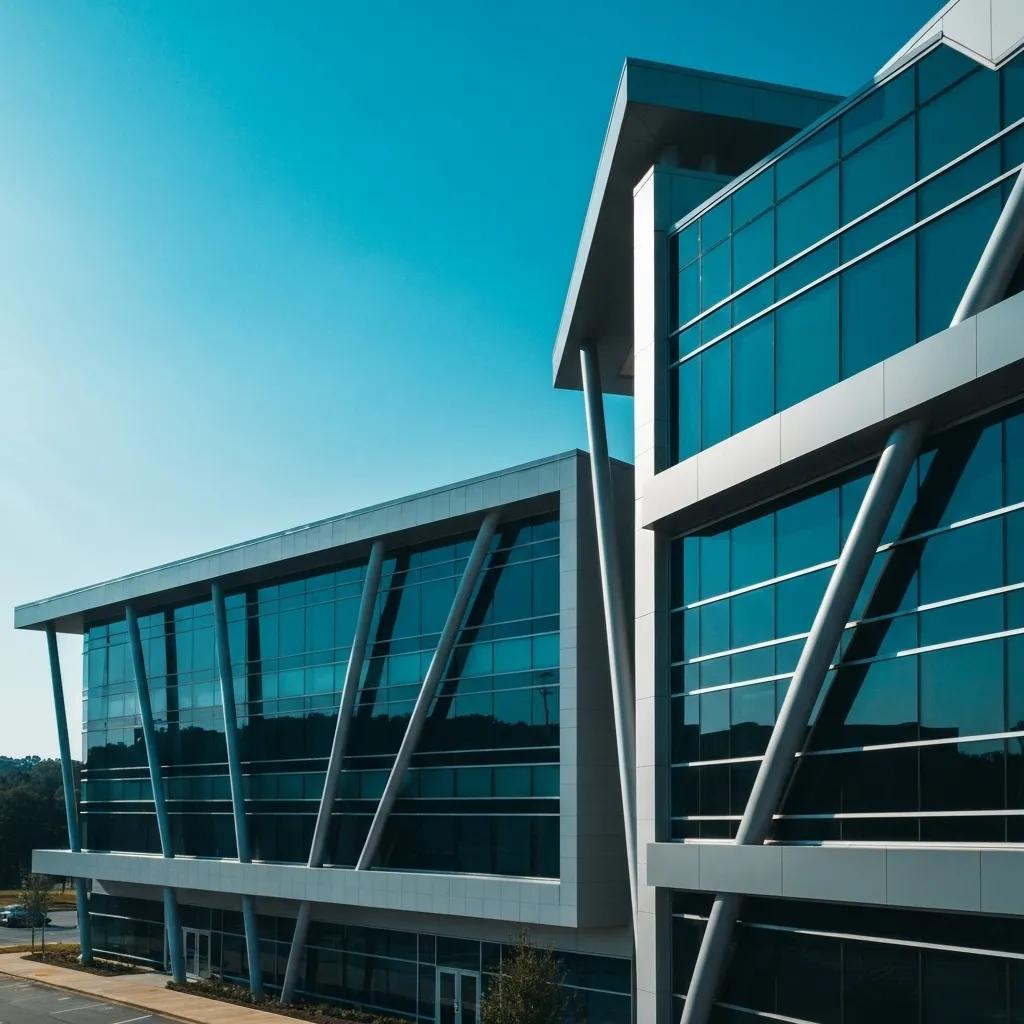
Commercial structural design in Atlanta is all about blending smart load analysis, the right materials, and strict code adherence to build commercial spaces that are both secure and highly functional. With Atlanta’s market booming at a 7% annual clip, businesses need to navigate demanding requirements for seismic resilience, wind resistance, and sustainability, all of which call for top-tier engineering expertise. This guide breaks down:
Partnering with Strut Engineering and Investment means tapping into local know-how across the Greater Atlanta GA service areas, ensuring your project hits all the marks for performance, safety, and budget, from the initial spark of an idea right through to the final build.
Commercial structural design is the backbone of any building, ensuring stability through meticulous load analysis, smart system selection, and precise drawings that guarantee safety, compliance, and smart budgeting. In Atlanta’s climate, with its humid subtropical weather and seismic considerations, these services are vital for mitigating risks from powerful wind gusts that can top 100 mph and the complexities of local soil conditions.
When we talk about commercial structural design, we’re covering everything from the ground up: foundation engineering, the skeletal framing systems, how the building stands up to lateral forces like wind and earthquakes, the critical connection details, and all the documentation needed for approval.
By weaving these elements together, structural design ensures a building is not only sound for everyday use but also resilient against extreme events.
Structural engineers are the guardians of safety and compliance. They meticulously calculate loads, scrutinize building codes, and conduct peer reviews to make sure every commercial structure meets or exceeds the International Building Code and Georgia’s specific amendments.
This rigorous approach results in designs that gain swift approval from regulators and stand strong against environmental challenges.
Bringing in expert structural design doesn’t just make buildings safer; it slashes long-term costs and boosts property value by optimizing how loads are managed and materials are used.
These advantages create a solid foundation for any future growth or modifications, naturally leading us to explore the diverse types of commercial buildings that benefit from specialized design.
Different commercial buildings require unique structural approaches, dictated by their intended use, occupancy, and the loads they’ll bear. Understanding these nuances is key to selecting the right materials and analysis methods.
Office buildings often call for open floor plans with minimal columns to allow for flexible layouts. Engineers focus on controlling floor vibrations for occupant comfort and integrating systems for suspended ceilings. They fine-tune beam sizes and floor deflection limits to support both productivity and sleek, open aesthetics.
Retail spaces prioritize wide-open storefronts that can accommodate heavy glass and prominent signage. The design must account for large overhangs, the dynamic loads of crowds, and secure anchor points for facade systems, ensuring both safety and maximum flexibility for merchandising displays.
Industrial facilities often need to support heavy machinery, including crane rails, and require large, clear-span roofs. Engineers frequently turn to high-strength steel trusses and robust concrete piers to handle concentrated loads that can exceed 50 tons, all while managing deflection and vibration during operation.
Buildings like apartment complexes and hospitals have higher live load requirements, stringent fire-resistance ratings, and complex integration of mechanical, electrical, and plumbing (MEP) systems. Engineers ensure redundancy in load paths, implement detailed seismic bracing, and incorporate accessibility features to guarantee occupant safety and the uninterrupted delivery of critical services.
With the variety of building types covered, the next crucial step is selecting the right structural materials.
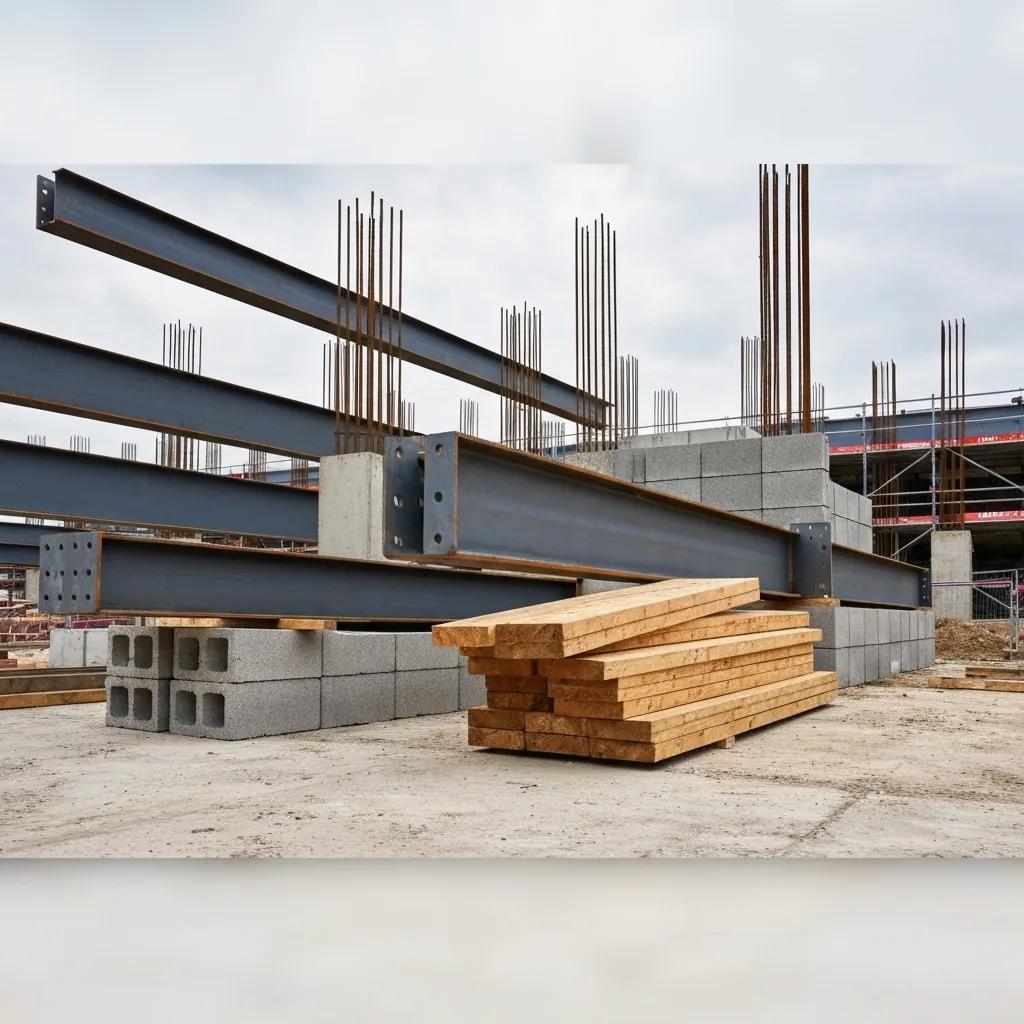
Choosing the right material involves balancing strength, cost, and how easily it can be built. Here’s a quick comparison of the key options you’ll find in Atlanta’s commercial projects.
Each material’s unique properties guide our engineers in optimizing performance, cost, and sustainability, leading us into the finer points of material engineering.
Structural steel framing offers remarkable flexibility and allows for quick construction. Our engineers design efficient I-beam layouts, specify precise connection details using welds or high-strength bolts, and ensure proper corrosion protection, especially important in Atlanta’s humid environment, to guarantee long-term structural integrity.
Reinforced concrete masterfully combines concrete’s compressive strength with steel rebar’s tensile resistance. It’s the go-to for foundations, shear walls, and flat-slab systems, providing excellent fire resistance and sound dampening, making it a top choice for mixed-use developments and healthcare facilities.
Timber is often chosen for low-rise offices or retail spaces where sustainability is a priority, while masonry is excellent for load-bearing interior walls and decorative exterior facades. Our engineers carefully check moisture content and reinforcement requirements to meet all durability standards.
Prestressed and post-tensioned concrete systems utilize tensioned steel tendons to actively manage deflection over long spans. This innovative approach allows for thinner slabs, significantly reduces cracking, and supports expansive open-plan designs, commonly seen in commercial parking structures and auditoriums.
Once materials are considered, the engineering process itself orchestrates the project’s journey from concept to reality.

The structural engineering process is a systematic transformation of your project’s vision into a tangible, code-compliant design, typically involving five key stages: initial consultation, in-depth analysis, design development, construction oversight, and post-construction review.
In our first meetings, we dive deep into your site data, review architectural concepts, and conduct preliminary load assessments. This crucial feasibility study helps pinpoint potential cost drivers and explore framing options before we commit to detailed engineering work.
Our engineers employ sophisticated software, like SAP2000, to model various load combinations—including dead loads, live loads, wind, and seismic forces—and meticulously verify stress limits. These detailed load diagrams are the foundation for accurate member sizing and connection design, ensuring precise material takeoffs.
During the design development phase, engineers produce the official stamped drawings and calculations. We then work closely with the Georgia Department of Community Affairs and the City of Atlanta’s permitting offices, managing submissions and revisions efficiently to expedite approvals.
Construction administration is our way of ensuring the design is executed flawlessly. This includes reviewing shop drawings, conducting site inspections, and providing ongoing technical support to contractors. We verify that the construction aligns perfectly with the design intent, addressing any issues or necessary adjustments in real time.
Post-construction evaluations involve reviewing as-built plans and offering recommendations for structural health monitoring. This final step confirms the structure is performing as intended and provides valuable insights for future maintenance or potential upgrades.
Commercial projects in Atlanta must comply with the 2021 International Building Code, enhanced by Georgia’s specific amendments and local zoning ordinances. Our engineers expertly integrate these requirements to ensure your project is not only safe but also legally occupiable.
Atlanta’s building codes are the city’s regulations designed to guarantee safety, efficiency, and structural soundness in all construction. They dictate everything from materials used to the design of various building systems, all overseen by local government authorities.
This provides essential context on why adhering to Atlanta’s building codes is non-negotiable for successful construction projects.
Georgia’s state-adopted codes include the core structural design chapters of the IBC, referencing ASCE 7 for wind and seismic load calculations. Local amendments often address specific regional factors like frost depths and geothermal considerations.
Atlanta’s zoning ordinances dictate crucial aspects like building height, lot coverage, and stormwater management. Structural engineers must coordinate foundation and grading plans with land-use approvals to prevent costly delays.
While Atlanta experiences moderate seismic risk, wind loads can be significant, potentially exceeding 115 mph in certain zones. Our engineers utilize local wind maps and design moment frames with ductile detailing to effectively resist gust-induced forces.
ADA guidelines mandate features like ramps, accessible pathways, and specific clearances. Engineers meticulously plan for changes in grade and structural transitions to ensure seamless accessibility without compromising the building’s load-bearing integrity.
The Georgia Department of Community Affairs mandates several key codes, including the International Building Code with Georgia Amendments, which are essential for all construction projects to ensure safety and adherence to regulations.
This highlights the official building codes governing construction in Georgia, directly relevant to our discussion on Atlanta-specific regulations.
By expertly navigating these regulations, Strut Engineering delivers services precisely tailored to Atlanta’s unique construction landscape.
Strut Engineering and Investment goes beyond standard design, offering advanced solutions to ensure every commercial asset achieves peak performance, safety, and longevity.
Our forensic engineers meticulously investigate structural failures or distress. Through load testing, material sampling, and advanced modeling, they pinpoint the root causes and recommend effective remediation strategies to restore safety and ensure code compliance.
PCAs involve thorough visual inspections and non-destructive testing of existing structures. We provide detailed reports on any deficiencies, estimate life-cycle costs, and offer prioritized repair plans to guide smart investment decisions.
Our rehabilitation services focus on reinforcing critical elements like beams and foundations, and strengthening connections. This ensures buildings meet current code requirements and can accommodate new tenant needs or future expansions.
We design robust gravity or reinforced retaining walls for site grading challenges and engineer specialized support systems for solar PV arrays, ensuring they can withstand wind uplift and dead loads, facilitating the integration of sustainable energy solutions.
For custom project discussions and detailed planning, reach out to Strut Engineering today via our Contact Us page.
The cost of commercial structural engineering services in Atlanta is influenced by project complexity, size, and the specific scope of work. We offer flexible fee structures, balancing hourly rates with project-based pricing to best suit your needs.
Key elements affecting cost include the building’s footprint, the number of stories, the chosen materials, site-specific complexities, and the depth of analysis required for wind or seismic design.
In Atlanta, licensed Professional Engineers typically charge between $100 and $220 per hour. For commercial projects, fixed fees often fall within the range of 0.5% to 2.5% of the total construction costs, depending heavily on the project’s scope.
Structural engineering fees in Atlanta generally range from $100 to $220 per hour for licensed P.E. services. Fixed fees for commercial projects commonly span 0.5% to 2.5% of total construction costs, varying with the project’s specific requirements.
This provides valuable insight into the typical cost structures for structural engineering services within the Atlanta market.
To receive the most precise estimates, please provide your site plans, architectural drawings, and program requirements upfront. For ongoing insights and project examples, follow Strut Engineering on Facebook, where we share case studies and cost benchmarks.
Selecting the right engineering partner is key to ensuring both value and exceptional performance for your project.
Finding the right structural engineer means looking closely at their credentials, their track record, and their proven success on projects similar to yours.
Ensure your chosen engineers hold a Professional Engineer (P.E.) license in Georgia, are affiliated with organizations like SEAOG or ASCE, and actively pursue continuing education in seismic, wind, and sustainability practices.
Practicing engineering legally in Georgia requires individuals and firms to be licensed. This includes obtaining a Professional Engineer (PE) license and a Certificate of Authorization (COA), which are mandatory for offering engineering services and sealing official plans.
This underscores the critical legal requirements for structural engineers operating in Georgia, a vital point for any commercial project in the state.
Engineers with a robust portfolio—spanning office towers, retail centers, and healthcare facilities—bring proven methodologies that significantly reduce risk, expedite project timelines, and optimize material usage.
Our clients consistently praise our on-time project delivery, the precision of our calculations, and our collaborative approach to problem-solving. Explore our professional credentials and project highlights on our LinkedIn company page.
To get started, simply submit your project’s program details, site information, and desired timelines through our online form, or feel free to call our office directly.
Choosing the right engineer sets your project on a path to success, ensuring a smooth transition into construction and beyond.
Visit our headquarters on Google Maps to discuss your upcoming commercial development in person.