

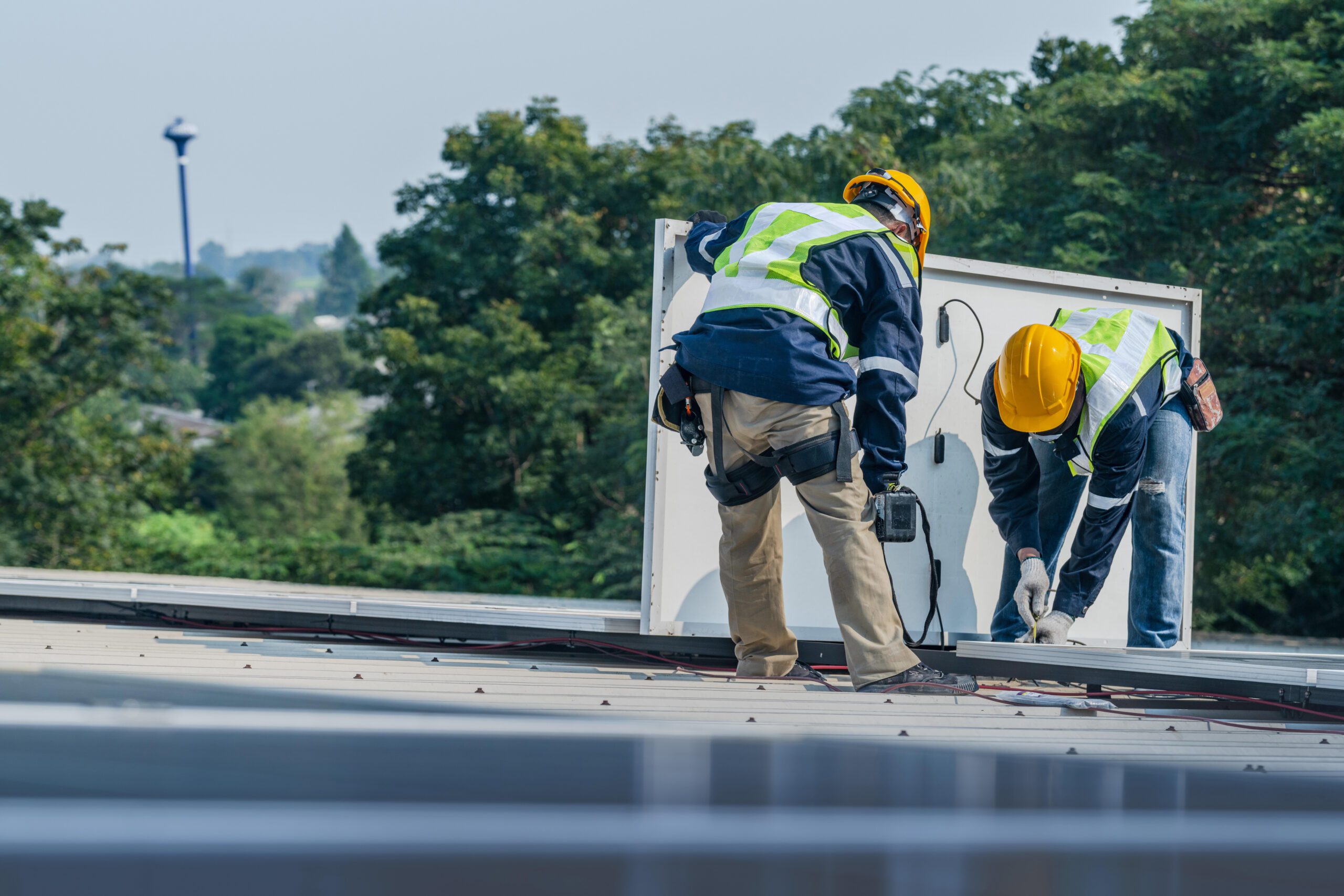
Most solar installations fail to consider how critical structural support really is. You might think mounting panels is straightforward until hidden risks threaten your building’s safety and durability. In this post, we’ll walk you through key structural factors for solar PV systems and why a thorough engineering assessment is essential to secure your investment and promote sustainable design. For more information, visit this guide.
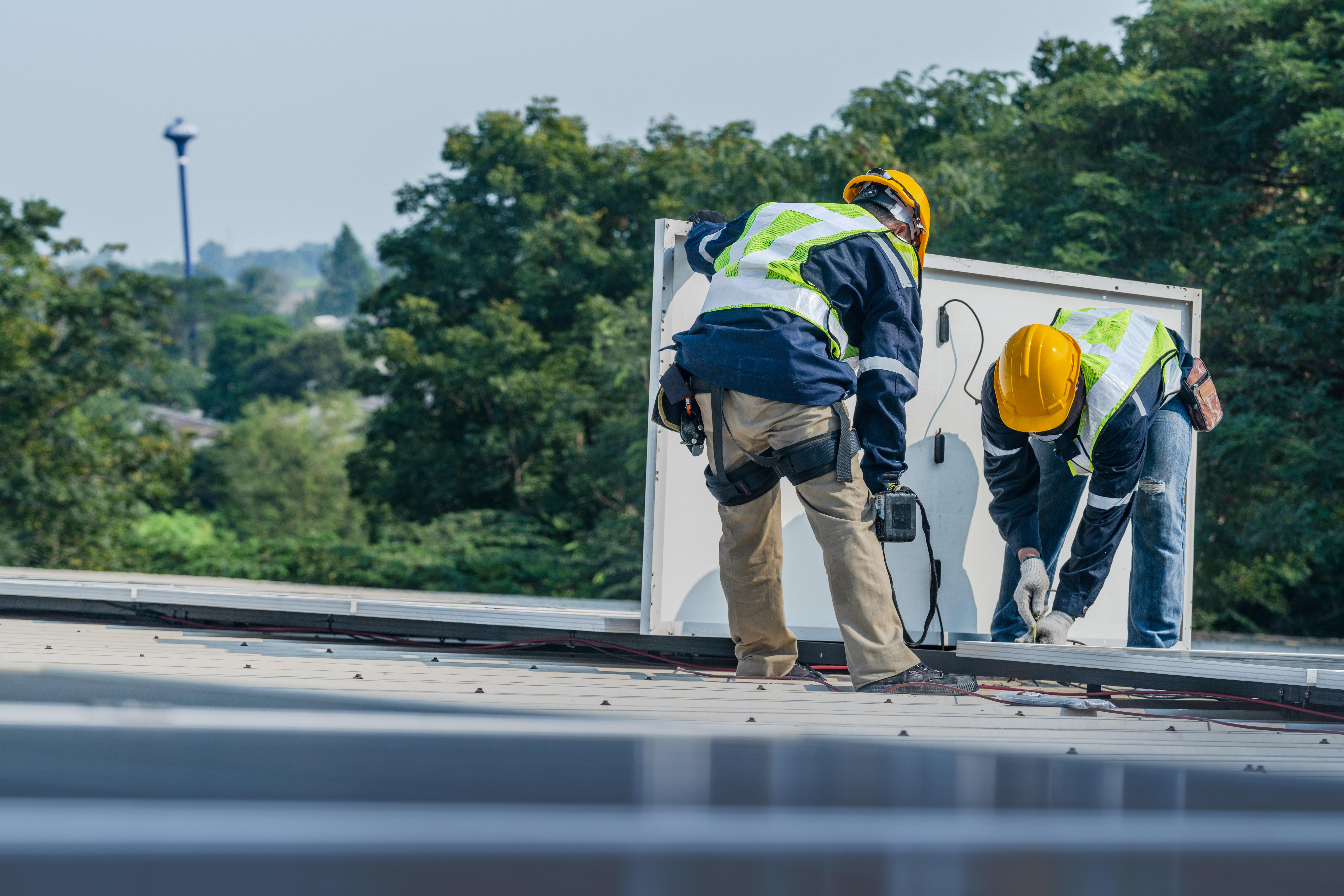
When installing solar PV systems, understanding the structural aspects is crucial. This ensures your investment is well-protected and operates efficiently. Let’s explore the core elements you need to consider.
The strength of your building’s structure is vital. Solar panels may seem light, but they add weight to your roof. Ensuring your structure can handle this additional load is key.
Assess Your Roof’s Capacity: Begin by evaluating the current load-bearing capacity. You might need to reinforce the roof to support the panels safely.
Consult a Professional: Engage with an engineer to evaluate your building’s strength. They’ll provide insights into whether additional support is necessary.
Plan for Future Changes: Think about potential upgrades. If you plan to expand your solar array, ensure your structure can handle more weight.
Ignoring load considerations can lead to structural failures. Most assume their roofs are strong enough, but this oversight can cause costly damage.
Not all roofs are created equal. Some are better suited for solar installations than others. Let’s dive into what you need to know.
Evaluate Roof Type and Angle: Different roofs have varying angles and materials. The pitch and direction affect solar efficiency. A flat roof might require special mounts to achieve optimal angles.
Check Material Compatibility: Some roofing materials, like slate, are more fragile. Ensure the installation process won’t damage your roof. Consider using protective measures if needed.
Inspect for Damage: Before installation, inspect your roof for any existing damage. Repairing issues beforehand prevents future problems, like leaks or structural weaknesses.
A common misconception is that any roof can support solar panels without modifications. This is not always true. Thorough checks help avoid unexpected setbacks. For more on this, explore complex roof designs.
Weather conditions play a massive role in solar PV system performance. Your location’s climate influences how you should approach installation.
Understand Local Climate: High winds and heavy snowfall can affect panel stability. Structures must be designed to withstand these conditions.
Secure Mounts Against Winds: Use robust mounting systems. They ensure panels remain stable during strong winds, preventing dislodgement or damage.
Consider Snow Load: In snowy regions, ensure roofs can handle the weight of snow plus panels. This prevents potential collapses.
Neglecting weather influences can lead to failures. Most think sunny weather is the only factor, but wind and snow significantly impact structural needs. For deeper insights, check out weather considerations in solar projects.
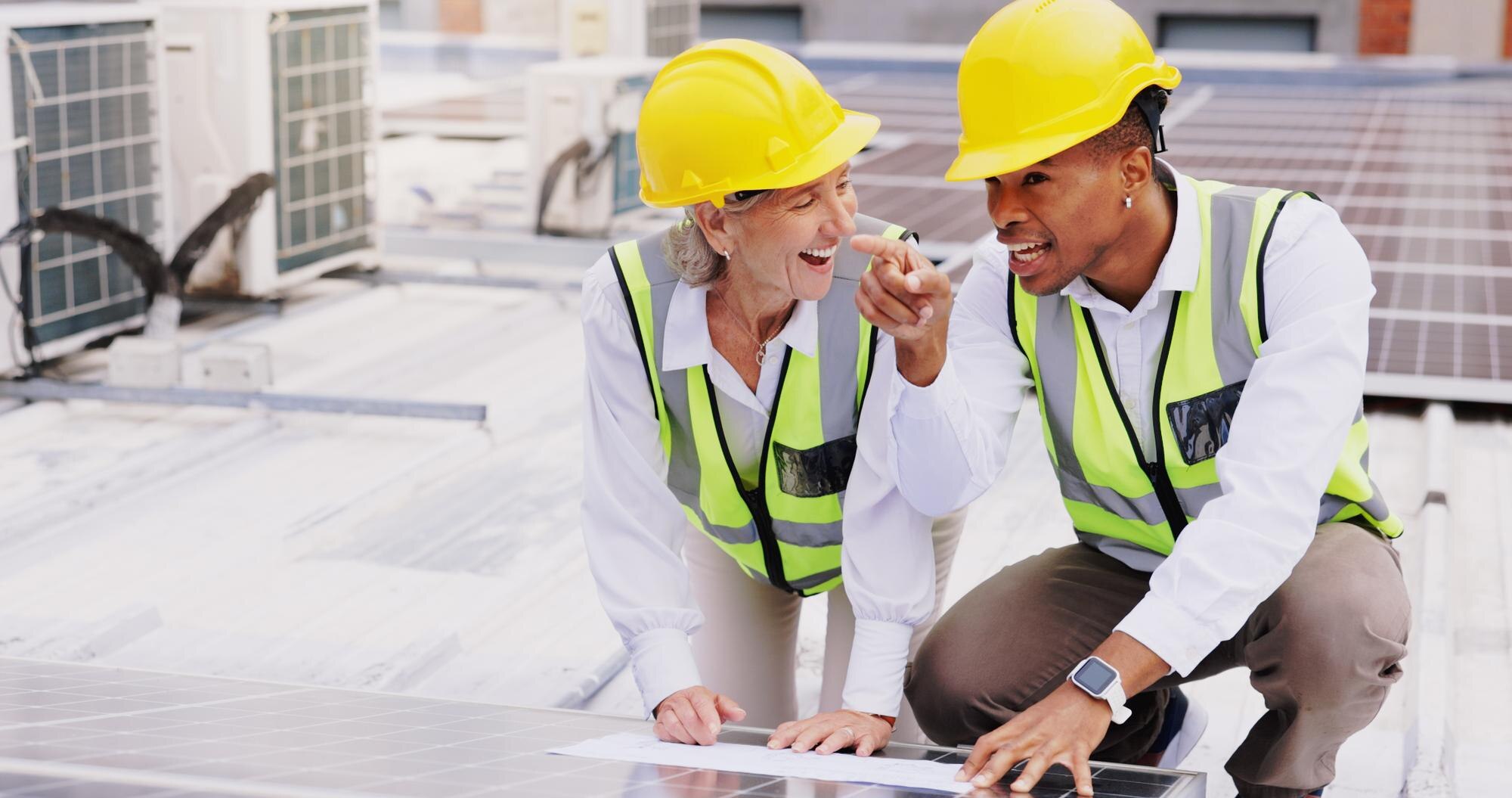
You’ve got a basic understanding of structural factors. But how do you ensure these are accurately addressed? This is where a professional assessment comes in.
Hiring an engineer might seem excessive, but their expertise ensures you avoid costly mishaps.
Customized Solutions: Engineers provide tailored evaluations, considering your unique building and environment.
Accurate Load Calculations: They ensure your structure can bear the solar system’s weight. This prevents future structural issues.
Code Compliance: Engineers ensure projects meet local building codes and safety standards. This avoids legal issues down the line.
Many think DIY assessments suffice, but professional insights are invaluable for long-term success. Explore more on structural engineering for solar projects.
The thought of structural failure can be daunting. Yet, with the right precautions, you can prevent these issues.
Regular Maintenance Checks: Periodic evaluations catch problems early, ensuring your system remains safe and efficient.
Timely Upgrades: If your needs change or your structure ages, timely upgrades keep everything in top shape.
Most people overlook regular checks, assuming initial installations are enough. However, ongoing maintenance is crucial for durability.

Moving beyond structural factors, sustainable design is essential. It not only protects the environment but also maximizes your investment.
Choosing the right materials ensures your solar PV system stands the test of time.
Opt for Durable Materials: Use corrosion-resistant metals and weatherproof components. This minimizes wear from environmental exposure.
Consider the Lifecycle: Evaluate the longevity of materials. Investing in quality now saves costs in the future.
Environmental Impact: Select materials with low environmental footprints. This supports sustainable practices and enhances your building’s green credentials.
Selecting quality materials might seem costly initially, but the long-term savings and environmental benefits are significant.
Environmental considerations are more crucial than ever. Ensuring compliance with eco-friendly practices is a step toward responsible solar energy use.
Adhere to Environmental Standards: Follow guidelines that minimize ecological disturbances during installation.
Promote Energy Efficiency: Design systems that maximize solar gain and reduce reliance on non-renewable energy.
Engage in Community Initiatives: Participate in programs that support sustainable practices in your community.
Many believe sustainability is secondary to cost, but eco-friendly practices often lead to financial savings and community benefits.
By focusing on these essential factors and best practices, you’re not only safeguarding your solar PV system but also contributing to a sustainable future. Remember, the longer you wait to address these elements, the greater the risk to your investment. For further reading on structural requirements, visit here.