
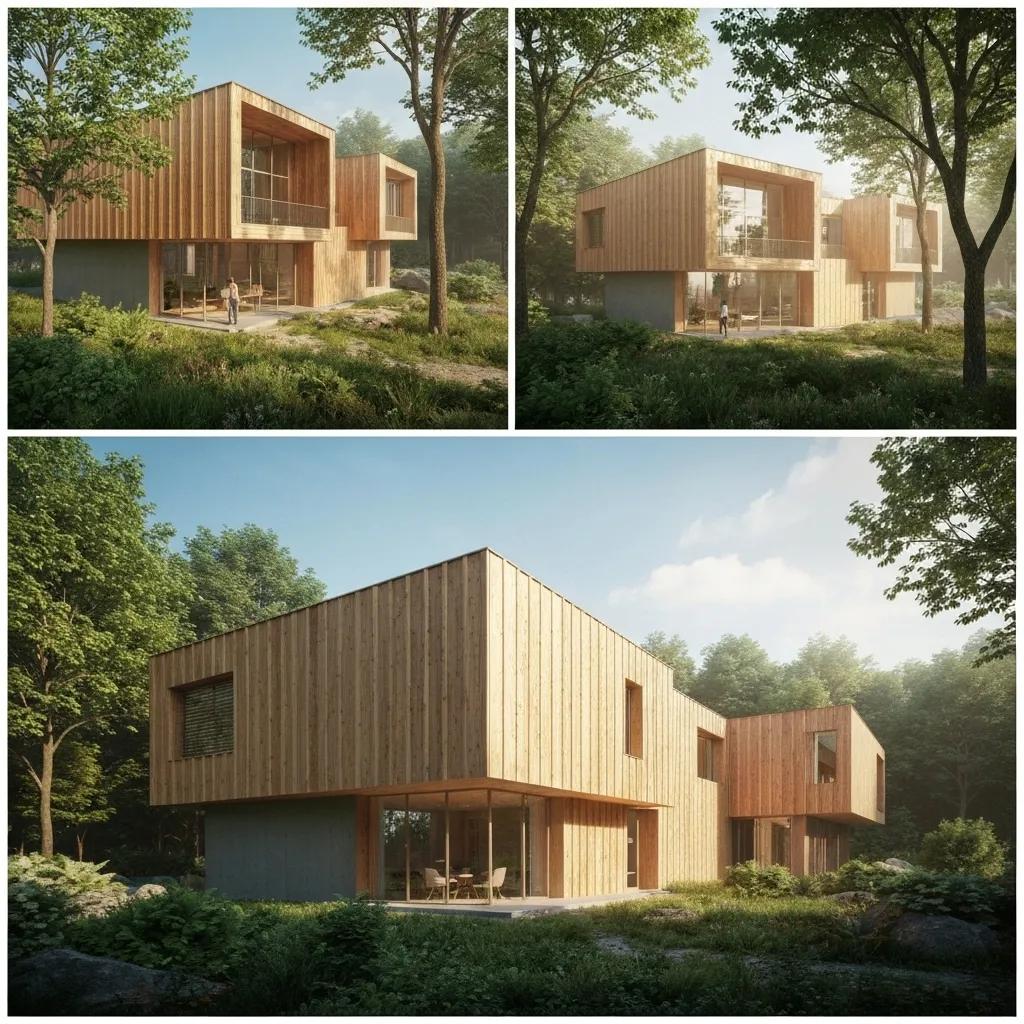
Did you know that the materials we use to build account for nearly 40% of a structure’s total embodied carbon? When we talk about eco-friendly building materials in Atlanta, it’s not just about choosing renewable or recycled options; it’s about ensuring they’re structurally sound and meet all local building codes. This guide dives into key green materials—from mass timber to hempcrete—exploring their advantages, the engineering strategies behind them, and how they can actually save you money. You’ll discover how smart structural engineering can maximize material efficiency, help you hit LEED targets, overcome technical hurdles, and deliver lasting environmental and financial wins. Whether you’re an architect, developer, or homeowner, learn how Strut Engineering and Investment’s expertise in the Greater Atlanta, GA area can set your project up for success.
Research shows that the embodied carbon in building materials makes up a substantial part of a structure’s overall carbon footprint. This includes all the emissions generated from creating, transporting, and installing these materials.
Eco-friendly building materials are all about reducing our environmental impact—less embodied carbon, smarter resource use, and better energy performance. These materials support sustainable design by being renewable, made from recycled content, or derived from natural sources. Of course, they still need precise structural engineering to ensure they’re safe and built to last. Here, we’ll look at four main categories of materials and how they’re being used structurally in Atlanta’s growing green construction market.
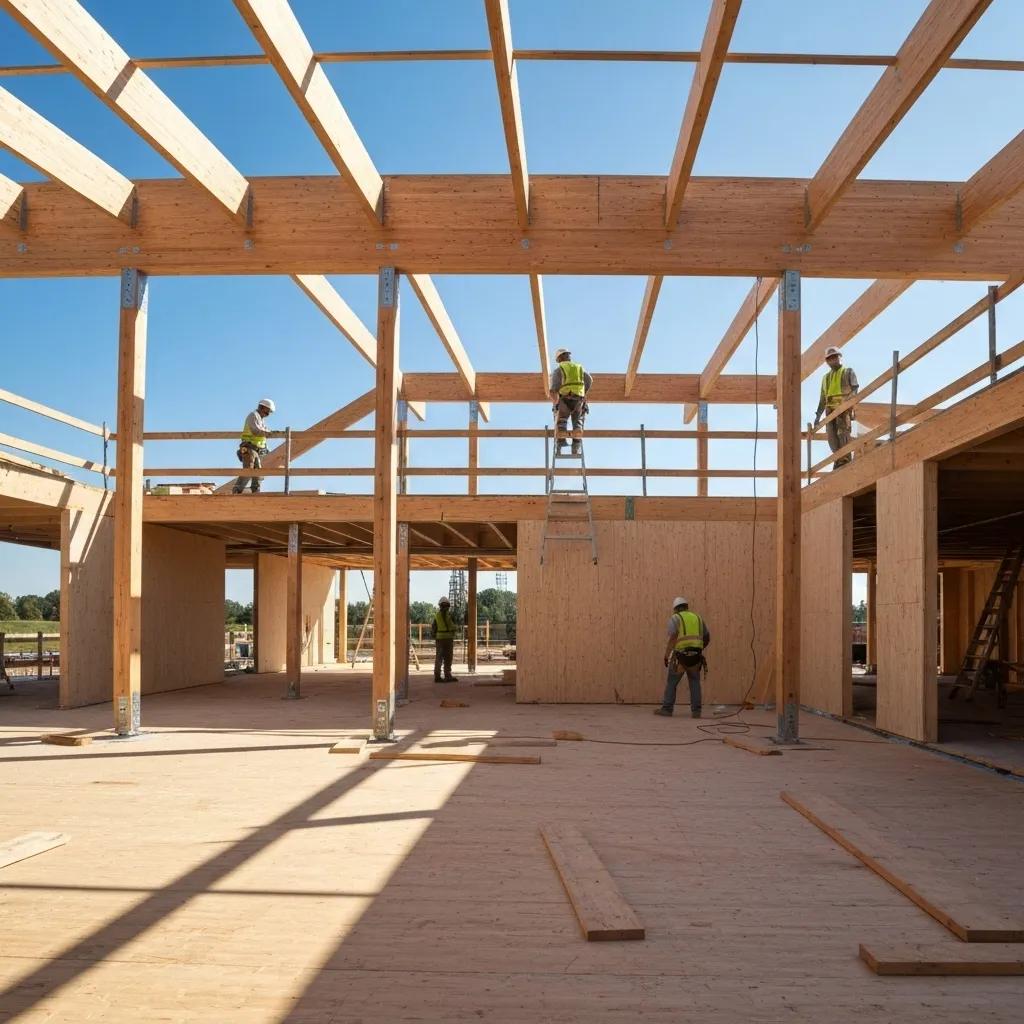
Cross-laminated timber (CLT) and glue-laminated timber (Glulam) offer strength that rivals steel and concrete, all while storing carbon and speeding up construction. These mass timber panels lock together to create load-bearing walls and floors, meaning less need for steel reinforcement and quicker assembly on site. For fire safety, timber members can achieve 2-hour ratings with protective gypsum or intumescent coatings.
These engineered wood solutions are paving the way for mid-rise and high-rise eco-friendly buildings, proving that reduced embodied carbon and strong structural performance can go hand-in-hand.
Studies confirm that mass timber, like cross-laminated timber (CLT), can lock away significant amounts of carbon, offering a greener alternative to conventional building materials and helping to lower a building’s overall carbon footprint.
Recycled steel and concrete significantly cut down embodied carbon by giving industrial by-products a new life. Steel rebar made with 90% recycled content still meets yield strengths over 60 ksi, and concrete mixes that use fly ash or slag cement can reduce the need for Portland cement by up to half.
By embracing reclaimed materials, structural engineering firms can create frameworks that align with circular economy principles and take advantage of Atlanta’s sustainability incentives.

Hempcrete and bamboo composites blend natural fibers with lime or polymer binders to create lightweight, insulating panels. Hempcrete walls offer an R-value of about 3.5 per inch, while engineered bamboo beams can match the tensile strength of softwoods.
These composites give architects more design freedom and provide structural engineers with innovative materials that support biophilic design and healthier indoor environments.
High-performance insulation and tightly sealed building envelopes are crucial for meeting net-zero energy goals by minimizing heat transfer and air leaks. Examples include vacuum insulated panels (VIPs), aerogel blankets, and structural insulated panels (SIPs).
When combined with thermally broken framing and high-efficiency windows, these systems create a robust building envelope that slashes energy consumption and reinforces sustainable structural design principles.
Sustainable structural engineering is about finding the right balance between using resources wisely and building structures that can withstand the elements over the long haul. It ensures every part of the building contributes to its longevity and performance.
Material efficiency means specifying the right-sized components, using standardized parts, and optimizing spans to cut down on waste. Key strategies include:
Implementing these practices can reduce waste streams by up to 30%, lower disposal expenses, and conserve raw materials for future projects.
Resilient design incorporates structural redundancy, elevated foundations, and systems built to withstand severe weather. For Atlanta projects, engineers often specify:
These measures help minimize repair costs after extreme weather events and ensure the safety of occupants as climate patterns shift.
Adaptive reuse breathes new life into existing structures by repurposing them for different uses, often utilizing their original concrete or steel frames. Renovation techniques include:
Reusing existing buildings significantly cuts down on demolition waste and preserves the embodied energy already invested in the original structure.
Strut Engineering and Investment expertly navigates the complex landscape where green building standards meet structural codes, making the approval process smoother for eco-friendly projects. Their deep understanding of local regulations helps accelerate permitting for sustainable developments.
LEED projects demand thorough documentation of embodied carbon calculations, the percentage of recycled content in materials, and where those materials were sourced. Strut EandI’s structural engineers provide:
This comprehensive support helps projects earn points in the Materials & Resources category and optimizes structural systems for LEED certification.
Atlanta’s green building codes encourage features like rainwater harvesting, solar readiness, and energy benchmarking. Strut EandI’s local knowledge in Greater Atlanta, GA (Service Areas) helps clients tap into tax breaks and utility rebates by:
Customized engineering plans ensure projects qualify for available incentives while maintaining the highest safety standards.
Strut Engineering and Investment fosters clear communication among designers, building officials, and contractors. By utilizing their local office locator (Google Maps), they facilitate:
Early collaboration shortens permit timelines and ensures structural plans align perfectly with sustainability objectives.
Working with new materials means addressing unique load behaviors, connection methods, and performance expectations.
Timber panels have directional properties, requiring careful analysis of how they perform in bending and shear along the grain. Engineers use:
These solutions leverage the benefits of timber while meeting strict structural and fire safety codes.
Recycled steel can have varying carbon content, affecting its strength and flexibility. Concrete mixes using supplementary cementitious materials may have different setting times. Strut EandI addresses these factors by:
Meticulous material testing and connection design are key to ensuring long-term durability.
Bio-composites like hempcrete require testing for compressive strength (typically 1,000–1,500 psi) and thermal properties. Analytical methods include:
These predictive analyses confirm that these composites can be reliably used in load-bearing walls and building envelope systems.
While sustainable materials might sometimes have a higher upfront cost, they often lead to significant lifecycle savings through reduced energy use, lower maintenance, and access to incentives.
By precisely sizing structural members and employing hybrid systems, engineers can:
This integrated approach lowers labor hours, minimizes material waste, and reduces overall project expenses.
Eco-friendly materials provide lasting benefits, including:
These returns build investor confidence and contribute to community resilience over many years.
Federal tax credits, state grants, and utility rebates are designed to encourage sustainable building practices. In Georgia, programs offer:
Strut EandI engineers help clients identify and integrate these incentives into their structural plans, making projects more affordable.
Real-world projects demonstrate how advanced engineering delivers exceptional eco-friendly performance.
One mid-rise office building in Midtown features CLT floors and glulam columns, cutting down on steel usage by 40% and sequestering 200 tons of CO₂ within the structure itself.
For the Kendeda Living Building at Georgia Tech, our engineers refined recycled aggregate concrete mixes and provided detailed carbon tracking data, playing a key role in its Living Building Challenge certification.
In a historic warehouse renovation, Strut EandI designed fiber-reinforced polymer (FRP) wrap systems to reinforce existing masonry walls. This allowed for the creation of an enclosed green atrium while preserving the building’s original façade.
Strut Engineering and Investment combines top-tier technical expertise with a collaborative, client-focused approach to deliver sustainable structural designs perfectly suited for Atlanta’s market.
Leveraging national experience, Strut EandI excels in hybrid timber-steel systems, precise embodied carbon analysis, and advanced performance modeling, ensuring both safety and efficiency.
Through integrated project workflows, Strut EandI offers early feasibility studies, BIM-coordinated designs, and timely submittals, minimizing coordination issues and schedule risks. Connect with our professional network on LinkedIn for the latest project updates and technical insights.
To explore eco-friendly building materials in Atlanta and get expert structural guidance for your project, request a consultation today through our Contact Us form.
Strut Engineering and Investment merges deep structural knowledge with leading sustainability practices to create green building solutions that are built to last. Our proven success with mass timber, recycled materials, and adaptive reuse highlights our dedication to both innovation and safety. By aligning rigorous engineering with local incentives and LEED requirements, we ensure your Atlanta project achieves its environmental goals and delivers strong economic value. Let’s build structures that perform, inspire, and endure together.
Find community updates and project highlights on our Facebook page.