

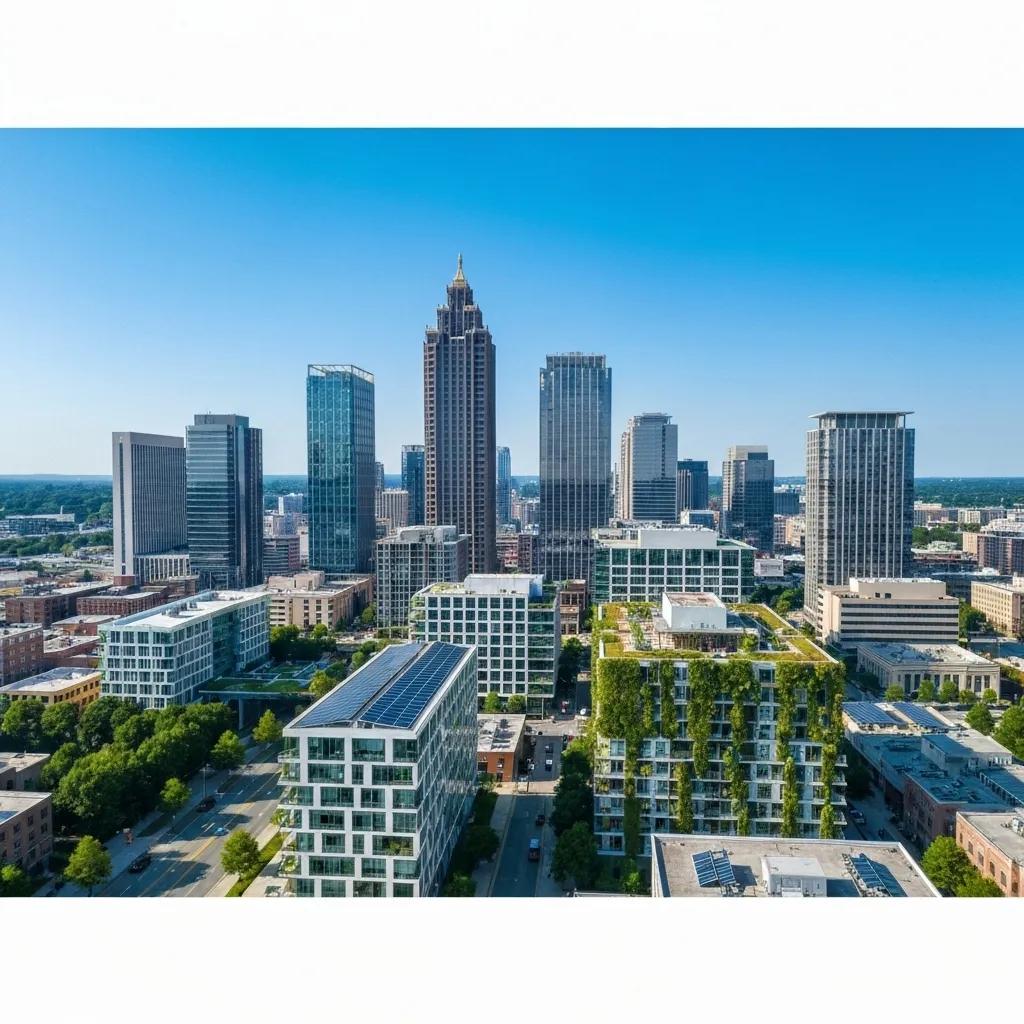
Atlanta’s cityscape is being reimagined by forward-thinking architectural firms that expertly weave eco-conscious design with cutting-edge structural engineering. The result? Buildings that are not only healthier and more energy-efficient but also contribute to a more sustainable urban environment. This deep dive explores the essence of sustainable architecture, the pivotal role of structural engineers, the trailblazing firms shaping Atlanta’s green building movement, the compelling advantages of embracing sustainable practices, how to forge partnerships with specialists like Strut Engineering and Investment, the latest technological advancements, and the regulatory framework guiding these efforts. We’ll also touch upon how precise structural analysis, including support for solar arrays and the thoughtful repurposing of existing structures, is key to achieving certifications like LEED, Net-Zero, or Passive House, all while boosting a project’s long-term performance.
Sustainable architecture is a design philosophy focused on minimizing environmental impact and maximizing occupant well-being. It achieves this through smart energy use, efficient resource management, and the selection of healthy materials. In Atlanta, this approach is transforming everything from towering new developments to revitalized historic buildings, creating low-carbon landmarks that bolster the city’s resilience and significantly cut operational expenses.
Sustainable architecture in Atlanta is built upon these fundamental principles:
When these principles work together, they lead to lower utility costs and healthier spaces for living and working, setting the stage for structural engineering solutions that bring these visions to life.
Atlanta’s green architects harness sophisticated tools like Building Information Modeling (BIM) and energy-modeling software. These allow them to meticulously test building envelope performance, daylighting strategies, and renewable energy integration before construction even begins. By collaborating closely with structural engineers from the outset, architects ensure that structural systems can seamlessly accommodate elements like solar panels, green roofs, and expansive timber structures, avoiding costly revisions and material waste.
LEED certification offers a robust, third-party verified framework for evaluating a project’s sustainability across energy, water, materials, and indoor environmental quality. Earning LEED status not only elevates a firm’s market standing and qualifies projects for potential incentives but also provides tangible proof of superior performance. This commitment to rigorous standards builds confidence among stakeholders and aligns Atlanta’s architectural landscape with global benchmarks for green building.
LEED certification provides a comprehensive framework for assessing a project’s sustainability, boosting market credibility and demonstrating concrete performance improvements. Certified firms adhere to third-party verification, fostering greater stakeholder trust.
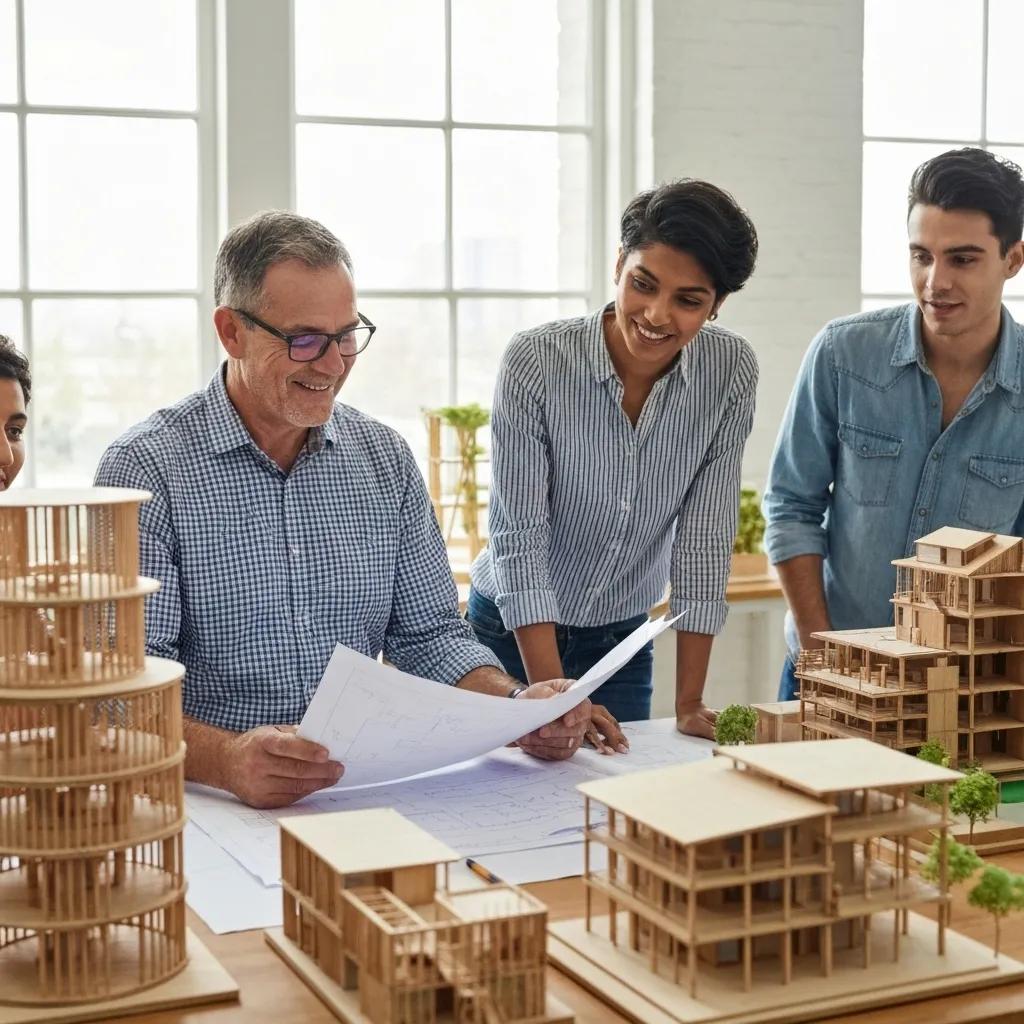
Structural engineers are instrumental in translating ambitious eco-design concepts into safe, efficient, and resilient building structures. They meticulously select materials, determine precise member sizes, and rigorously verify load-bearing capacities. Their expertise ensures that innovative sustainable features, such as integrated rainwater management systems or photovoltaic arrays, are seamlessly incorporated without compromising the building’s structural integrity.
Structural engineering plays a critical role in green building by:
These contributions are vital for meeting certification requirements and for ensuring the building’s long-term operational efficiency and resilience.
Structural engineers are key enablers of LEED and Net-Zero certifications. They align structural material selections with LEED credit opportunities, such as using regionally sourced materials or incorporating recycled content. Furthermore, they design building envelopes capable of achieving Net-Zero energy performance through superior insulation and robust support structures for solar energy systems. Early and close collaboration helps eliminate thermal bridging and ensures renewable energy systems function optimally.
Installing solar photovoltaic (PV) systems requires careful evaluation of roof load capacities to safely support the weight of the panels, as well as resistance to wind uplift and seismic forces. Engineers conduct:
Addressing these technical aspects proactively prevents structural strain and potential water intrusion, especially crucial given Atlanta’s diverse weather patterns.

Adaptive reuse projects demand thorough assessments of existing structures to uncover any hidden issues and determine their capacity for new structural demands. Engineers provide:
Atlanta is experiencing a surge in adaptive reuse projects, transforming underutilized buildings into vibrant mixed-use spaces. These initiatives not only revitalize neighborhoods but also address urban development concerns by often incorporating affordable housing and community-centric amenities.
Atlanta boasts a dynamic array of LEED-accredited architectural firms, each contributing distinctive, environmentally conscious designs that are redefining the city’s skyline.
Several Atlanta-based firms have earned LEED accreditation and showcase impressive portfolios of sustainable projects:
Leading firms engage structural engineers from the very beginning of a project. This collaborative approach ensures that design visions are grounded in practical, constructible solutions. Key practices include joint modeling sessions, detailed load-path discussions, and integrated performance reviews, guaranteeing that elements like renewable energy systems, mass timber construction, and expansive glass facades function harmoniously within the overall structural framework.
Notable sustainable landmarks in Atlanta include:
The Kendeda Building at Georgia Tech stands as the first project in the Southeast to achieve Living Building Challenge certification, representing a significant milestone in green building. It serves as a vital center for learning and innovation, showcasing the remarkable possibilities of sustainable design.
Collaborating with sustainable architecture firms offers tangible benefits, including reduced operational costs, enhanced environmental performance, and increased property value.
Sustainable design strategies, such as optimized building envelopes, high-efficiency HVAC systems, and integrated on-site renewable energy sources, can slash energy consumption by as much as 50%. This translates directly into lower utility bills, more predictable operating expenses, and a quicker return on investment, often bolstered by available rebates and incentives.
Green buildings play a crucial role in reducing greenhouse gas emissions, conserving precious water resources, and mitigating the urban heat island effect. The positive impacts extend to the community through improved air quality, the creation of accessible public spaces, and the generation of local employment opportunities within the green construction sector, fostering healthier and more resilient neighborhoods.
Properties that achieve sustainability certifications often command higher rental rates, experience faster occupancy, and achieve stronger resale values. Today’s tenants and buyers increasingly prioritize well-being, efficiency, and strong Environmental, Social, and Governance (ESG) credentials, making certified developments highly competitive in Atlanta’s dynamic real estate market.
To assemble an integrated design team, it’s essential to evaluate credentials, local expertise, and the range of services offered, ensuring all facets of your green building project are expertly managed.
Seek out firms and engineers who possess:
Strut Engineering and Investment offers specialized structural engineering services tailored for green projects. This includes conducting roof load assessments for solar arrays, designing retrofits for existing structures, and performing forensic analyses to optimize performance. With extensive experience across the Greater Atlanta area, Strut E&I streamlines the approval process and ensures safe, cost-effective project outcomes. Discover more about their regional capabilities on the Greater Atlanta, GA – Strut Engineering and Investment page.
To discuss your sustainable project aspirations, you can request a consultation or a quote through the Contact Us – Strut Engineering and Investment portal. You are also welcome to visit their office—directions are available on Google Maps. For professional networking and updates, connect with them on LinkedIn and follow their project highlights on Facebook.
Emerging trends in Atlanta’s green building sector highlight a strong focus on Net-Zero goals, sophisticated data-driven design approaches, and creative repurposing of existing assets to meet ambitious sustainability targets.
Net-Zero architecture is characterized by highly efficient building envelopes combined with on-site renewable energy generation, aiming for a zero annual energy balance. Atlanta projects are increasingly targeting Net-Zero certification, utilizing advanced insulation, high-performance glazing, and integrated photovoltaics to establish new benchmarks for carbon neutrality.
Net-zero energy homes are designed to produce as much energy as they consume over the course of a year, typically through renewable sources like solar panels. These homes offer significant savings on utility bills and contribute to healthier indoor air quality.
Artificial intelligence and generative design tools are revolutionizing sustainable architecture by analyzing factors like site orientation, material performance, and energy flows to propose optimal building configurations. These data-driven methodologies streamline the design process, minimize waste, and refine structural models for peak efficiency and resilience.
Adaptive reuse projects artfully merge heritage conservation with modern sustainability by reinforcing original structural elements, enhancing thermal performance, and integrating discreet renewable energy systems. This thoughtful approach preserves Atlanta’s rich architectural legacy while adhering to contemporary green building standards.
Understanding and navigating Atlanta’s evolving green building codes and permitting processes is crucial for ensuring projects are delivered on time and in full compliance.
The City of Atlanta has enacted a Sustainable Building Ordinance that mandates LEED Silver certification or higher for new municipal buildings and major renovations exceeding 5,000 square feet. This ordinance is a key driver for promoting sustainable design practices and reducing environmental impact.
Atlanta’s updated codes often require enhanced building envelope performance, provisions for solar-ready roofs, and specific seismic considerations. Structural engineers must meticulously account for increased wind loads on photovoltaic arrays and design roof assemblies that meet stringent criteria for solar panel mounting and support.
Obtaining permits for solar and green building projects necessitates detailed structural documentation, including load capacity reports, wind uplift resistance calculations, and anchorage specifications. Proactive coordination with code authorities and the early submission of engineering calculations are vital to prevent review delays and ensure smooth inspection processes.
Firms effectively integrate zoning incentives, such as density bonuses for green roofs, and engage with the community to secure necessary variances. They work closely with structural engineers to present comprehensive plans that satisfy planning commissions and advance Atlanta’s ambitious sustainability objectives.
Atlanta’s urban landscape is embracing a new era of sustainability, powered by the synergistic efforts of architects and structural engineers. By thoroughly understanding green building principles, certification pathways, and local regulations, you can effectively transform innovative ideas into resilient, high-performance structures. To move forward with your project, connect with Strut Engineering and Investment for expert structural guidance and help shape Atlanta’s skyline for generations to come.