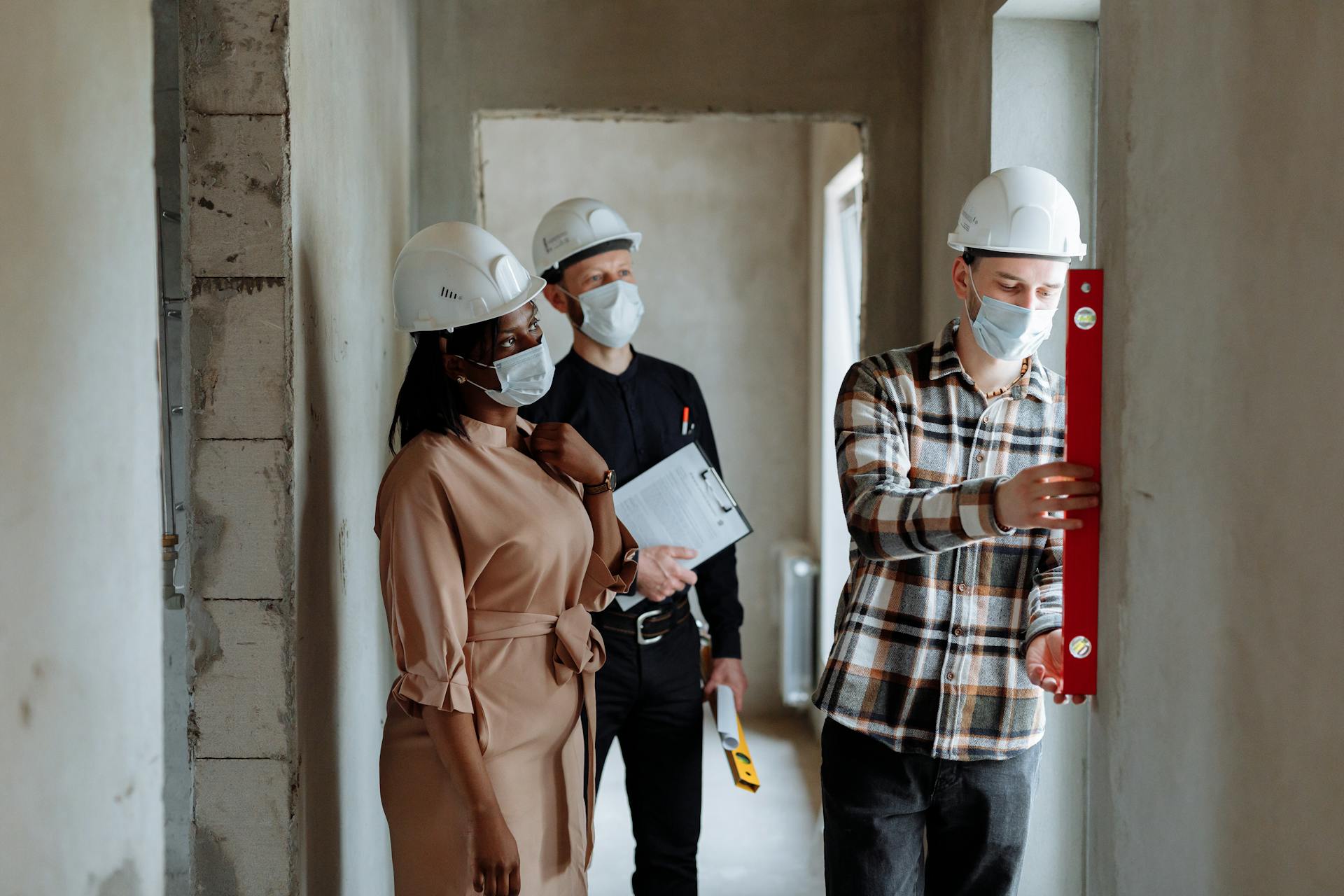

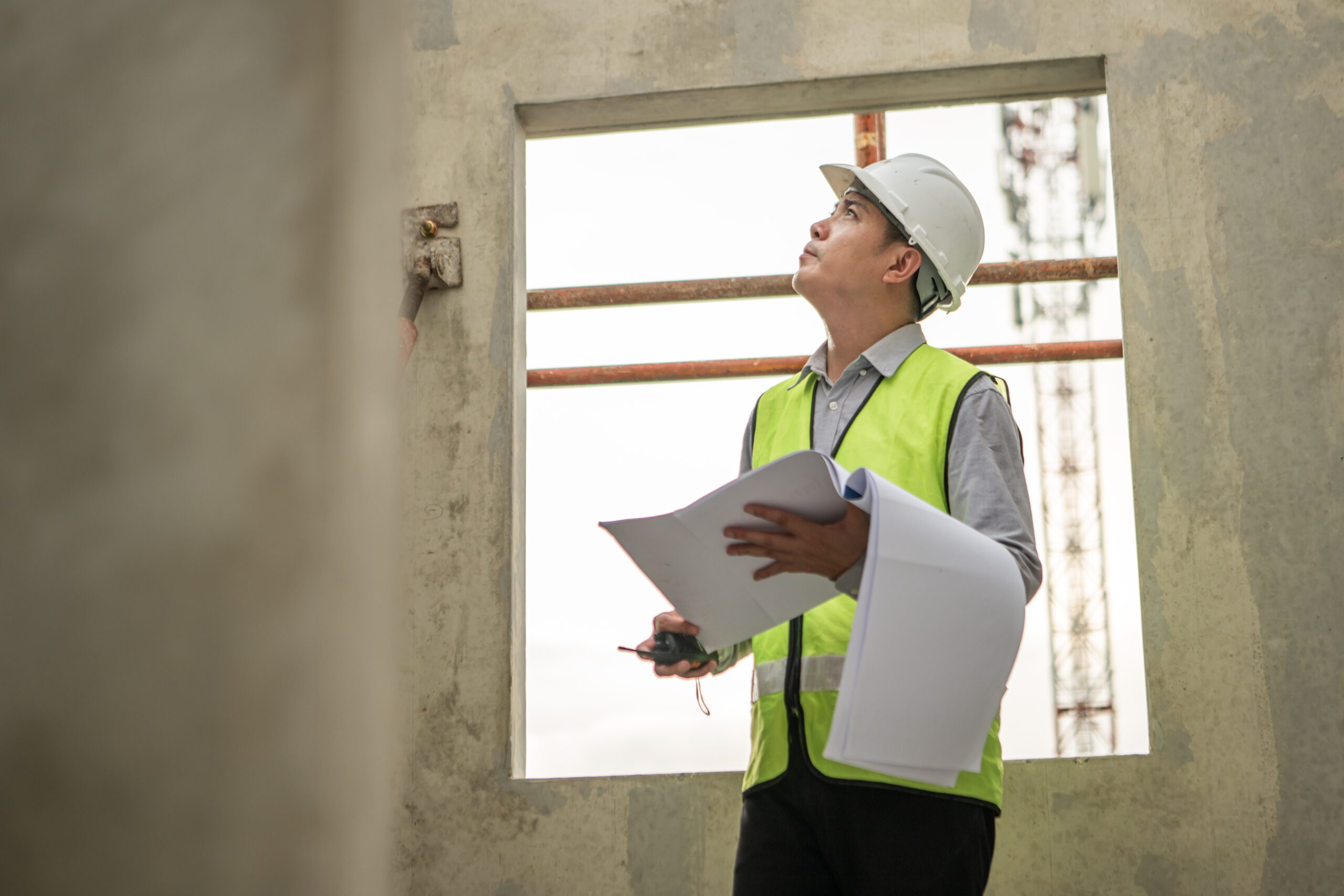
Concrete cracks in your property are more than just an eyesore—they can signal deeper structural problems that threaten safety and value. Skipping thorough structural inspections leaves these issues hidden until costly repairs become unavoidable. This guide walks you through essential steps like forensic engineering and property condition assessments to protect your building’s integrity from new construction to existing additions. Find out more about structural inspections here.
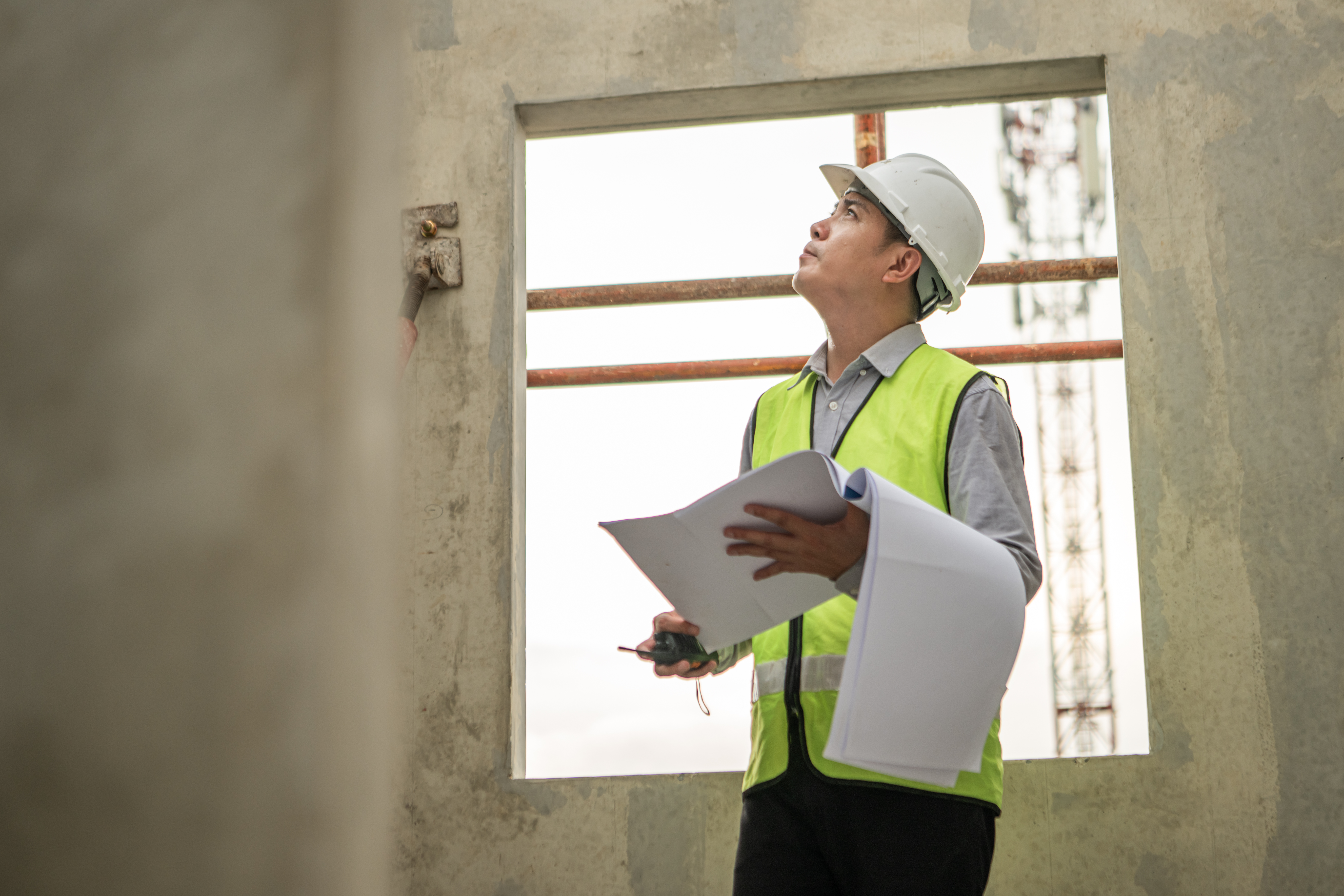
Structural inspections play a pivotal role in safeguarding your property’s health. They help identify potential issues before they escalate into significant problems. Let’s explore each aspect of these inspections, starting with the cracks you might see.
Concrete cracks are often the first visible sign of underlying issues. These cracks can appear due to various reasons like settling, temperature changes, or faulty construction practices. You might notice small hairline cracks or larger ones that threaten structural integrity. It’s crucial to understand that not all cracks are equal. Some might be superficial, while others could indicate serious foundational problems. Regular inspections can help you determine the cause and severity of these cracks. This proactive approach can prevent expensive repairs down the line.
Forensic engineering digs deeper into the root causes of structural issues. Expert engineers investigate and diagnose the reasons behind failures and defects. They assess materials, design, and construction practices to pinpoint the problem. This method isn’t just reactive; it’s preventive. By understanding the root cause, you can make informed decisions on repairs and future construction practices. Forensic engineering acts as a detective, ensuring that your property remains safe and sound.
Ensuring the structural integrity of your building is non-negotiable. Regular inspections help you maintain it by identifying weaknesses early. This includes evaluating load-bearing walls, beams, and foundations. Any compromise in these areas can lead to catastrophic failures. Through inspections, you can address these issues promptly, ensuring your building remains safe for occupants and retains its value. Remember, the longer you wait, the more costly repairs become.
When you embark on new construction projects or additions, inspections are your best ally. They guide you in creating safe and durable structures from the ground up.
Starting a new construction project is an exciting venture. Yet, it requires meticulous planning and execution to ensure safety and compliance. Structural inspections during this phase help identify potential issues with design and materials before they become problematic. Inspectors examine everything from soil conditions to building materials. They ensure that your project meets all safety standards and regulations, paving the way for a successful build. This foresight can save you time and money by avoiding costly mistakes.
Property condition assessments (PCAs) are vital for understanding the current state of a building. They provide a comprehensive overview of the structural health, identifying areas that need attention. During a PCA, inspectors evaluate the building’s core components, including the roof, plumbing, and electrical systems. This assessment helps in planning maintenance and upgrades effectively. It’s not just about fixing problems but ensuring the building remains operational and safe for years to come.
Adding to an existing structure requires careful consideration of the current building’s integrity. Inspections ensure that the new addition integrates seamlessly without compromising the original structure. Inspectors assess the load capacity and compatibility of materials. They ensure that the addition adheres to current building codes and standards. This careful planning and evaluation can prevent future issues, ensuring that both the old and new parts of the building coexist harmoniously.
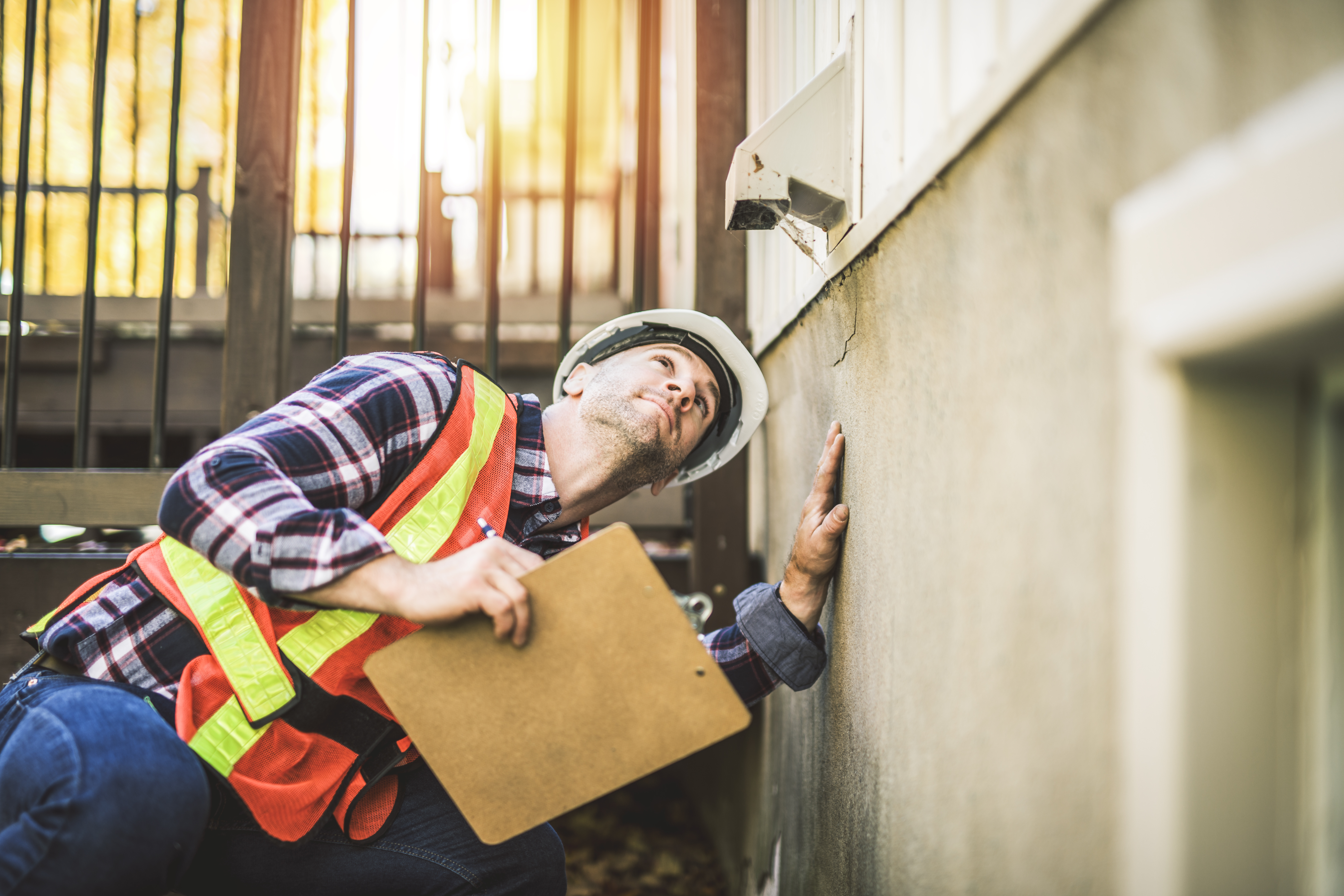
The ultimate goal of structural inspections is to ensure the safety and longevity of your property. Here’s how you can achieve this.
Common structural issues can arise from various factors, including age, environmental conditions, and design flaws. These include foundation cracks, water damage, and termite infestations. Early identification through regular inspections can prevent these issues from escalating. For instance, a small leak might seem insignificant, but over time, it can lead to severe water damage. By staying vigilant, you can address these problems before they require major repairs.
Maintaining safety standards is crucial for any property. Regular structural inspections ensure that your building complies with all relevant regulations and codes. They help in identifying areas that do not meet the required safety standards. For example, outdated electrical systems or inadequate fire exits can pose significant safety risks. By prioritizing these inspections, you ensure the safety of occupants and avoid potential legal issues.
Your property’s value is directly linked to its structural integrity. Regular inspections help maintain this value by ensuring that the building remains in good condition. They allow you to address issues before they detract from the property’s worth. A well-maintained building not only attracts buyers but also ensures a higher resale value. By investing in structural inspections, you protect your investment and enhance the building’s appeal to potential buyers.