

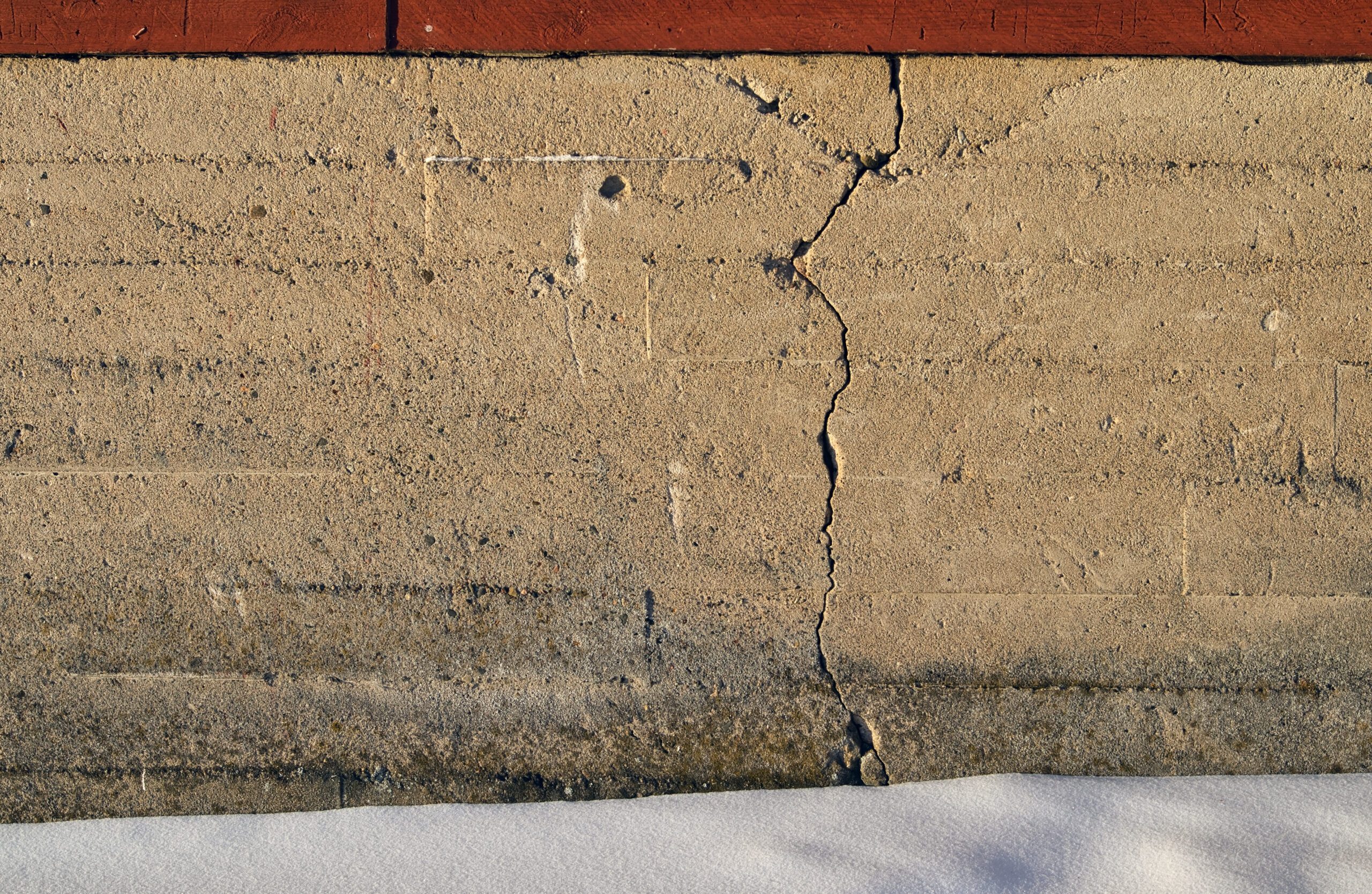
Foundation settlement isn’t just a technical term—it’s a problem that can quietly compromise your home’s safety and comfort. Sloped flooring often signals underlying home foundation issues that, if ignored, threaten your property’s structural integrity. In this guide, you’ll learn what causes these shifts and how a thorough structural assessment from Strut E&I can protect your investment and peace of mind. For more insights, consider reading this article.
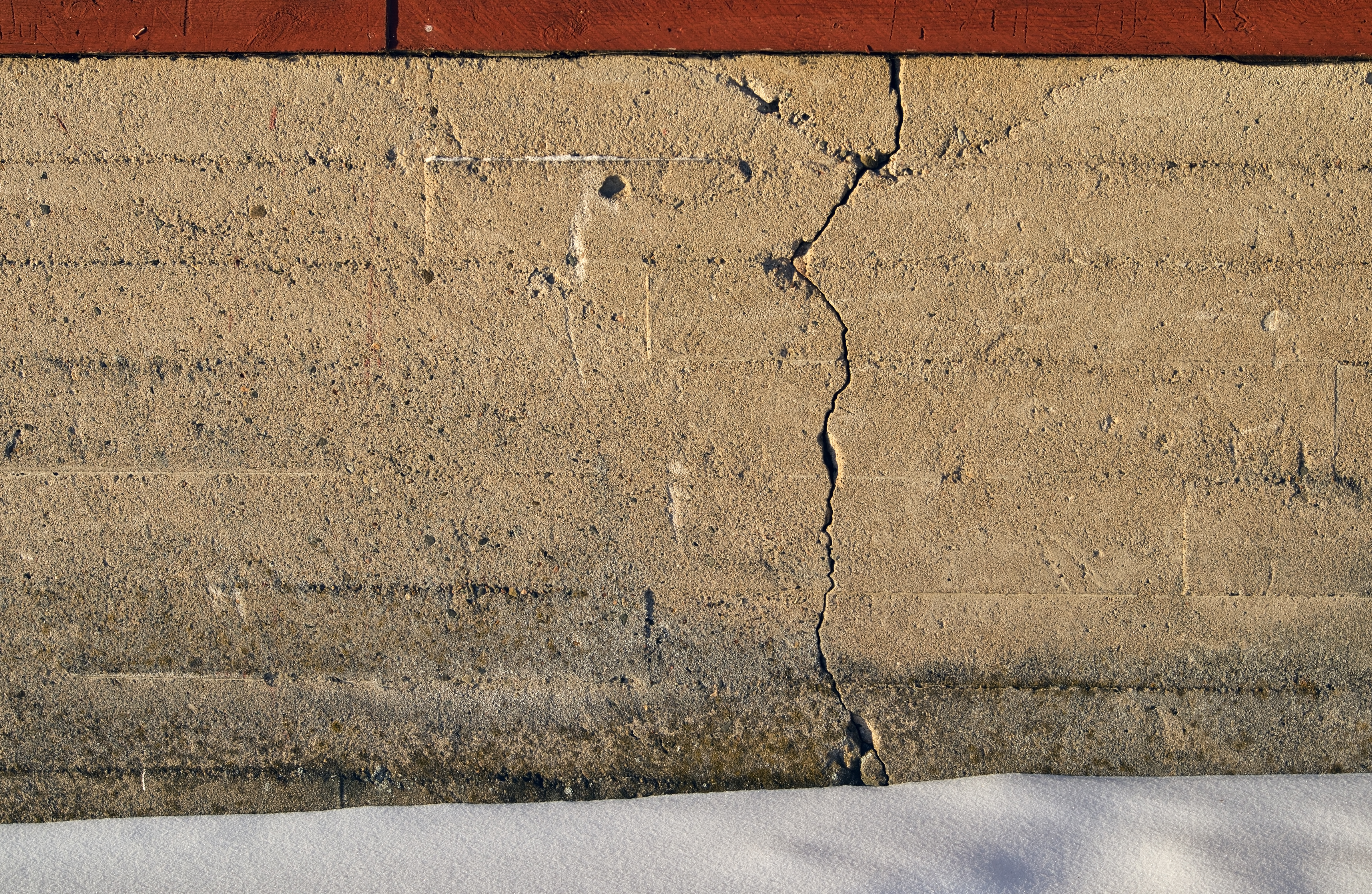
Foundation settlement might seem like a distant concern, but it can have a substantial impact on your home. Understanding its causes is crucial to safeguard your property.
Soil plays a pivotal role in your home’s foundation. Different types of soil expand and contract with moisture changes. Clay soils are particularly notorious for this. During wet seasons, they swell, and during dry periods, they shrink. Over time, this movement can lead to an uneven foundation. For homes built on sandy soils, the risk is different. Sand doesn’t hold moisture well, which can cause the foundation to settle as the soil shifts. A fascinating fact is that homes built on stable soil types, like bedrock, rarely face these issues. This stability is why soil assessment is a standard part of the building process.
Water is another silent contributor to foundation issues. Poor drainage systems can allow water to pool around your home’s base, weakening the soil. Imagine a sponge soaked in water—it’s heavy and unstable. That’s what happens to your soil with improper drainage. Over time, this can lead to erosion, washing away the soil supporting your foundation. Installing gutters and ensuring proper grading can help direct water away, protecting your foundation.
The design of your home and how weight is distributed also affect foundation stability. Homes with heavy roofs or extensive upper floors can place extra pressure on the foundation. If the load isn’t evenly distributed, some areas might sink more than others, leading to sloped floors. During construction, engineers use specific calculations to ensure loads are balanced, preventing undue stress on any part of the foundation. For a more detailed look at this aspect, explore further.

Recognizing and addressing sloped flooring early can save you from extensive repairs down the line. Here’s how to spot potential problems.
Sloped floors are one of the first signs of foundation issues. You might notice doors sticking or windows that won’t shut properly. These are more than just annoyances—they’re indicators that your foundation might be shifting. Cracks in walls, especially near windows and door frames, are another red flag. If you notice these signs, it’s crucial to act quickly. Early detection can prevent minor issues from becoming major headaches.
To accurately assess the situation, professionals use advanced tools. Laser levels and digital inclinometers help measure flooring angles precisely. These tools provide detailed data on the extent of any slope, helping engineers determine the best course of action. Homeowners can also use simple tools like spirit levels for a basic check. If you suspect a problem, a professional assessment will offer clarity and peace of mind.
Ignoring sloped floors can lead to severe consequences. Over time, structural integrity can be compromised, leading to costly repairs. As the foundation settles, it could cause additional stress on the building’s frame, resulting in more significant damage. The longer you wait, the more extensive the repairs might become. Protecting your home’s value means addressing these issues promptly. For more insights, consider this comprehensive guide.
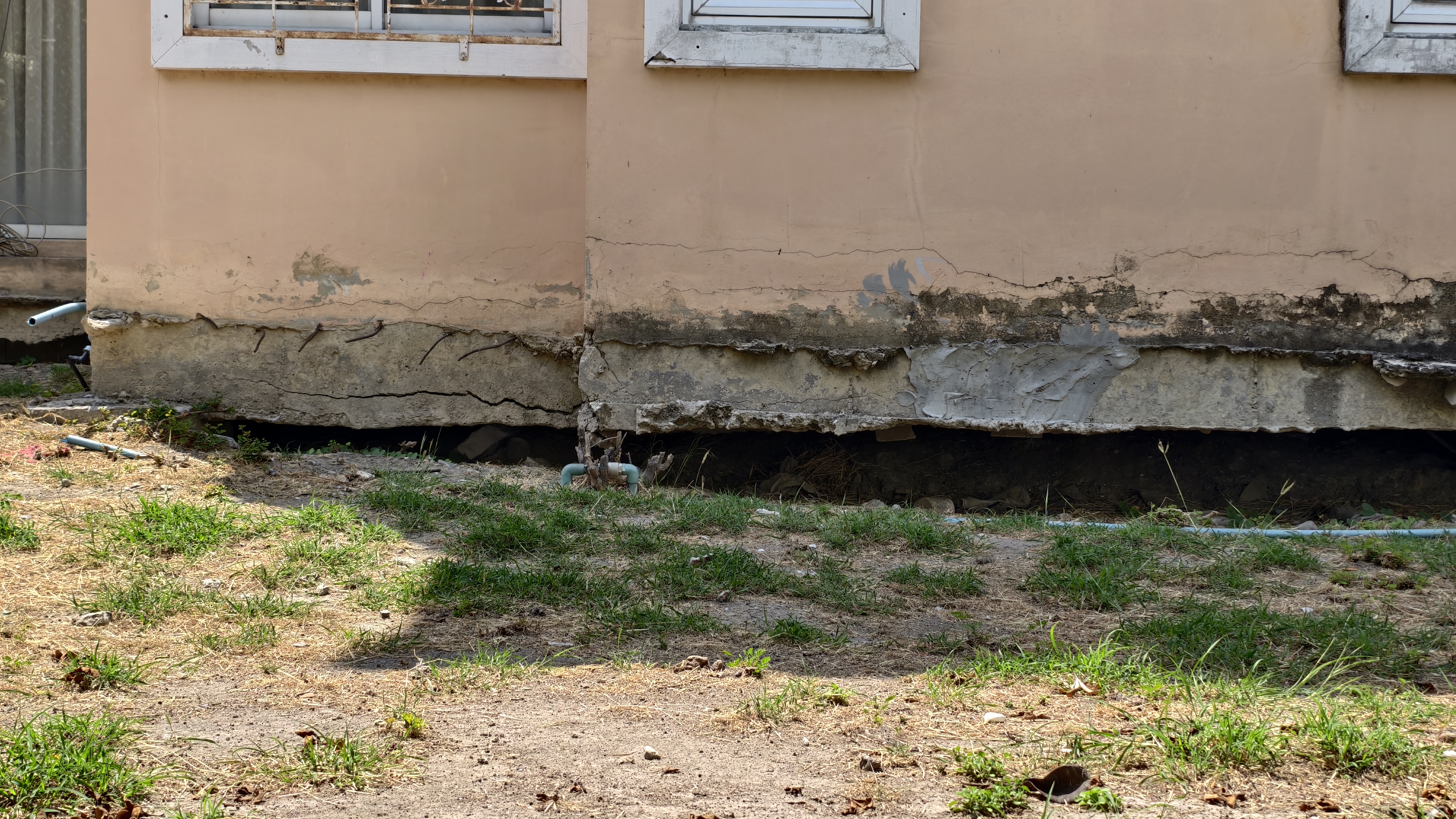
Maintaining your home’s structural integrity is essential for safety and comfort. Here’s how Strut E&I approaches these challenges.
A thorough structural assessment is the first step in tackling foundation issues. At Strut E&I, we use cutting-edge technology to evaluate your home’s foundation. Our experts examine soil conditions, drainage systems, and load distribution to pinpoint the cause of any problems. This comprehensive approach ensures we identify not just the symptoms but the root causes.
Once we’ve identified the issues, it’s time to implement solutions. There are several techniques we might use depending on the problem. For minor shifts, soil stabilization might suffice. For more significant issues, we might recommend piering or underpinning to reinforce the foundation. These techniques involve inserting supportive structures beneath the foundation, providing stability and preventing further movement.
Professional intervention ensures that the job is done right the first time. With Strut E&I, you benefit from our extensive experience and commitment to quality. Our team is dedicated to providing solutions that not only fix the problem but also prevent future issues. Trust in our expertise to protect your home. Remember, safeguarding your property starts with understanding and addressing foundation concerns. For more about what we do, visit our services page.
By understanding these factors and taking proactive steps, you can maintain your home’s value and safety. If you’re concerned about foundation settlement or sloped flooring, consider reaching out to experts who can guide you through the process and ensure your home stands strong for years to come.