


Atlanta’s iconic skyline is built upon a foundation of precise structural design regulations, crucial for public safety, protecting investments, and keeping projects on schedule. For contractors, architects, and property owners, navigating the intricate web of state, international, and local building codes can feel overwhelming. As your local specialists across the Greater Atlanta, GA metro area, Strut Engineering and Investment provides expert, code-compliant structural analysis, design, and inspections. This guide will illuminate:
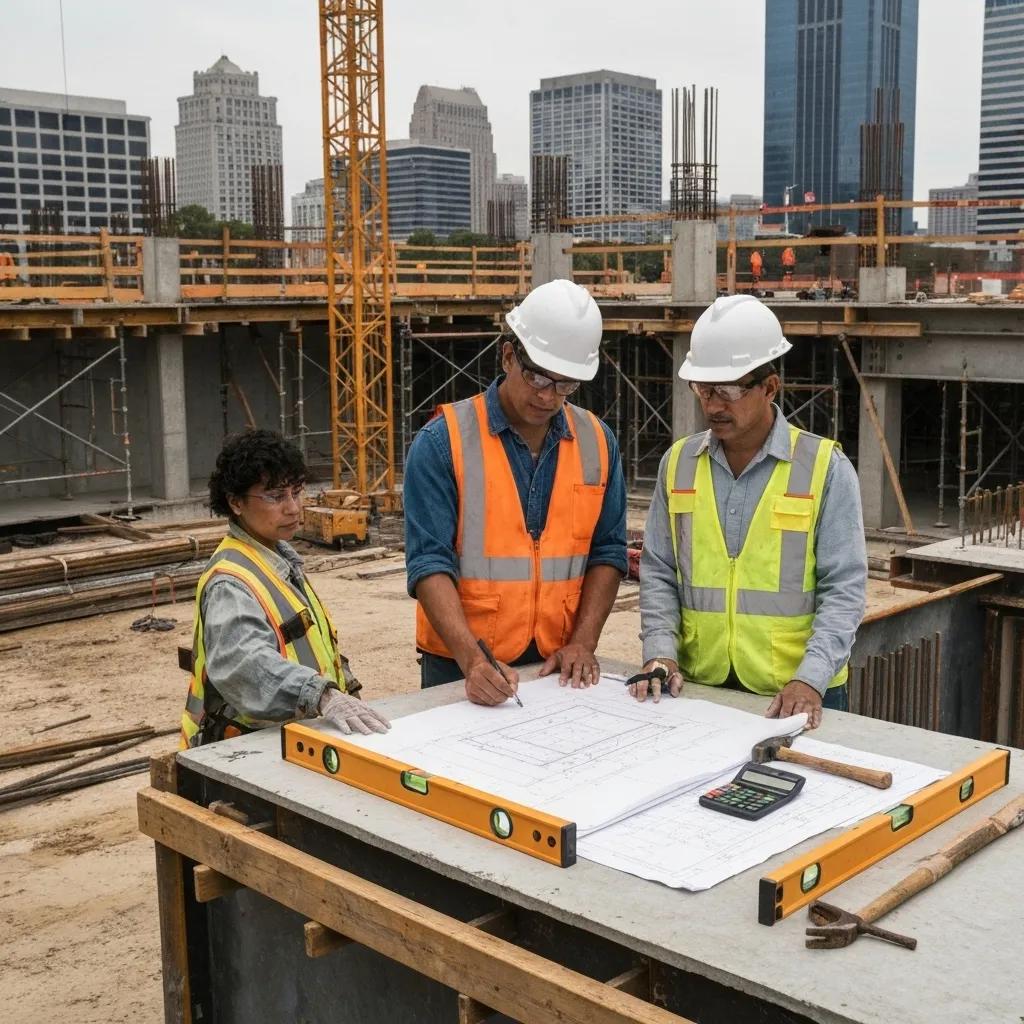
Structural building codes in Atlanta establish the non-negotiable performance and safety benchmarks that all new and renovated structures must meet to gain permit approval and ensure lasting resilience. By adopting state-amended International Codes alongside local ordinances, these regulations define load capacities, fire resistance, energy efficiency, and material specifications, all designed to protect the public and preserve property integrity.
Here’s a breakdown of the primary codes and their reach:
These foundational codes ensure that every Atlanta project aligns with load calculations, material performance, and occupant safety standards before moving into the permit review phase.
The Georgia State Minimum Standard Building Code represents the official statewide adoption of the 2018 International Building Code (IBC), enhanced with specific amendments tailored to Georgia’s climate, seismic activity, and legal landscape. It sets the minimum structural requirements for commercial and multi-family construction, covering aspects like live loads, snow loads, wind loads (as per ASCE/SEI 7), and material strengths. By establishing these standards statewide, the code ensures a consistent baseline that local authorities, including the City of Atlanta, must enforce to uphold public safety and construction uniformity.
The Georgia State Minimum Standard Building Code is the official statewide adoption of the 2018 International Building Code (IBC) with tailored amendments to reflect Georgia’s climate, seismic zones, and legal requirements. It establishes minimum structural criteria for commercial and multi-family construction, including live loads, snow loads, wind loads per ASCE/SEI 7, and material strengths.
The International Building Code (IBC) provides a comprehensive framework for structural design, fire safety, accessibility, and occupant egress. In Atlanta, the 2018 edition of the IBC serves as the core technical document, upon which state amendments are layered. Key IBC provisions dictate structural integrity—including design loads, seismic design categories, and wind-resistance criteria—ensuring that local modifications build upon, rather than replace, globally recognized best practices.
In Atlanta, the IBC 2018 edition serves as the technical foundation before state amendments are applied. Key IBC provisions govern structural integrity—such as design loads, seismic design categories, and wind-resistance criteria—ensuring that local modifications augment rather than replace internationally recognized best practices.
The International Residential Code (IRC) lays out the structural standards specifically for one- and two-family dwellings. In Atlanta, the 2018 IRC, complete with Georgia Amendments, governs requirements for foundation design (considering frost depth and soil bearing capacity), light-frame construction, roof truss connections, and deck attachments. These provisions simplify residential permitting by offering prescriptive methods for structural components and connections, often eliminating the need for custom engineering in standard home constructions.
The International Residential Code (IRC) outlines structural standards specific to one- and two-family dwellings. In Atlanta, the IRC 2018 edition with Georgia Amendments sets requirements for foundation design (frost depth, soil bearing), light-frame construction, roof truss connections, and deck attachments.
Beyond the IBC and IRC, several other regulations play a role in structural design:
Collectively, these codes complement structural requirements by addressing egress, energy efficiency, and heritage preservation, setting the stage before we delve into the necessity of professional engineers in Atlanta’s permitting process.
In Atlanta, engaging a licensed structural engineer is required for any project involving new construction, significant renovations, or material changes that impact structural performance. This ensures that all designs bear the seal of a Professional Engineer (PE) and comply with state law. Such early involvement helps prevent permit rejections, speeds up approvals, and crucially, safeguards public well-being.
In Atlanta, projects that typically demand PE-sealed plans include:
Bringing a professional engineer on board from the project’s inception guarantees that all structural elements meet performance criteria and adhere to local amendments.
Georgia Code § 43-15-24 stipulates that any plans or specifications for structures impacting public health, safety, or welfare must be prepared and sealed by a licensed professional engineer. While single-family homes under two stories and valued below $100,000 may be exempt, any work exceeding these parameters requires PE endorsement, reinforcing accountability and strict code adherence.
Georgia Code § 43-15-24 mandates that any plans or specifications for structures affecting public health, safety, or welfare must be prepared and sealed by a licensed professional engineer. Exemptions apply to single-family homes under two stories valued below $100,000, but any work outside these parameters requires PE endorsement, reinforcing accountability and code compliance.
Structural Composite Lumber (SCL) offers impressive strength-to-weight ratios for beams and joists. However, Atlanta’s code interpretations require licensed engineer calculations for SCL connectors, shear values, and load distribution. This professional oversight ensures that innovative materials meet state-amended IRC standards and are safely integrated into residential framing without compromising structural integrity.
For expert guidance on SCL design and permit assistance, connect with us through our Contact Us page.
Atlanta’s structural permitting process involves a structured sequence of submissions, reviews, and inspections, all designed to confirm that plans meet all applicable codes and local amendments before construction commences. Understanding each phase helps stakeholders anticipate requirements and sidestep costly delays.
DCP’s Office of Buildings is responsible for overseeing and regulating construction activities within the City of Atlanta. Its primary functions include issuing building permits, conducting inspections.
This resource details the City of Atlanta’s Office of Buildings and its pivotal role in the permitting workflow.
Below is a summary of the essential documents required at the submission stage:
Ensuring your submission is complete from the outset significantly reduces review cycles and speeds up permit issuance.
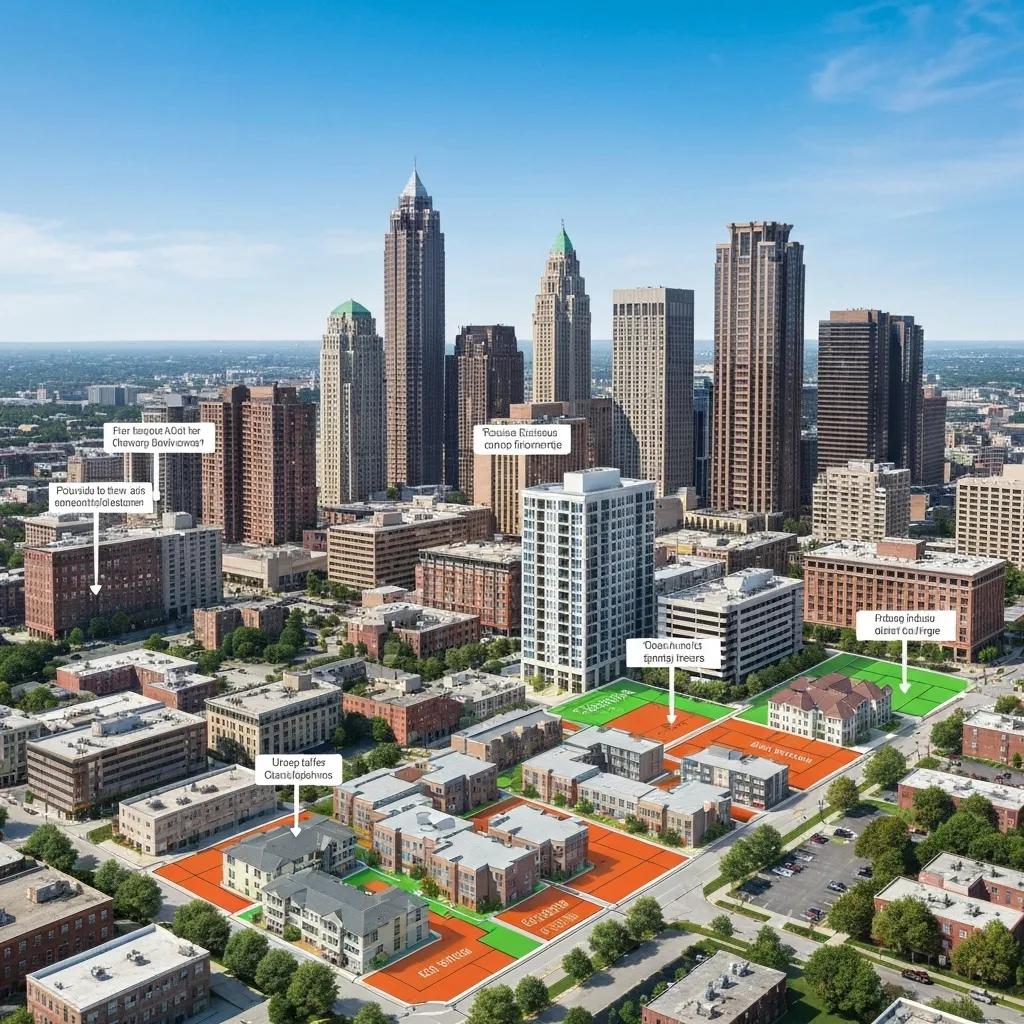
Atlanta’s zoning ordinances establish dimensional and land-use parameters that directly shape structural design decisions, dictating setbacks, building heights, and density limits. Aligning structural plans with zoning requirements from the start prevents costly redesigns during the plan review process.
Crucial zoning factors include:
Carefully considering these parameters early on ensures that structural footprints and heights conform to the Atlanta Code of Ordinances.
Properties situated within historic districts must adhere to preservation guidelines established by the Urban Design Commission. Structural modifications often necessitate a review of material compatibility, façade retention strategies, and non-invasive reinforcement techniques, balancing safety needs with the preservation of architectural heritage.
These regional variations influence the design of the structural envelope and guide framing decisions before more detailed load analysis comes into play.
Structural design in Atlanta demands the integration of wind, seismic, foundation, and material requirements into cohesive plans that not only satisfy state-amended IBC/IRC provisions but also ensure long-term durability against regional environmental forces.
Wind loads in Atlanta are calculated according to ASCE/SEI 7 wind speed maps, taking into account exposure categories and building height. Designers determine uplift and lateral forces to properly size connections, bracing systems, and shear walls, ensuring resistance against regional gust speeds that can reach up to 115 mph in urban areas.
Wind loads in Atlanta are determined per ASCE/SEI 7 wind speed maps, factoring in exposure categories and building height. Designers calculate uplift and lateral forces to size connections, bracing systems, and shear walls, ensuring resistance to regional gust speeds of up to 115 mph in urban zones.
This source outlines how wind load design is determined in Atlanta, referencing ASCE/SEI 7 wind speed maps.
Atlanta is classified as Seismic Design Category C under the 2018 IBC. This classification mandates that structural systems incorporate ductile detailing, reinforcing steel confinement, and robust foundation-to-superstructure connections to effectively mitigate earthquake forces. These measures are vital for protecting lives and maintaining structural integrity during seismic events.
Atlanta falls in Seismic Design Category C under IBC 2018, requiring that structural systems incorporate ductility details, reinforcing steel confinement, and foundation-to-superstructure continuity to mitigate earthquake forces. These measures protect life safety and maintain structural integrity during seismic events.
This source specifies Atlanta’s seismic design category and the associated requirements for structural systems.
Foundation design must be informed by site-specific geotechnical investigations. Minimum soil bearing capacities, frost-line depths, and groundwater conditions dictate the appropriate solutions, whether footings, mats, or deep foundations. Compliance with IRC Section R401 for residential projects and IBC Chapter 18 for commercial structures ensures stable load transfer to the subgrade.
Engineered wood products like SCL and glulam require design values that align with APA specifications and ICC-ES evaluation reports. Steel and concrete elements must conform to AISC and ACI standards, respectively, which dictate member sizing, connection detailing, and fireproofing requirements to meet Atlanta’s stringent safety and performance objectives.
Engineered wood products such as SCL and glulam require design values per APA specifications and ICC-ES evaluation reports. Steel and concrete elements adhere to AISC and ACI standards, respectively, dictating member sizing, connection detailing, and fireproofing to meet Atlanta’s safety and performance objectives.
This source highlights the material-specific regulations that influence structural design in Atlanta, including APA, AISC, and ACI standards.
Engaging a licensed structural engineer in Atlanta guarantees that every plan is meticulously developed, reviewed, and sealed by a Professional Engineer (PE). This translates complex code requirements into practical, buildable designs that local authorities readily accept, ensuring a smooth path to approval.
A PE brings invaluable legal accountability, deep technical expertise, and practical field experience. They can identify potential code conflicts early, optimize member sizing for efficiency and safety, and formally certify that all structural elements meet Georgia Code § 43-15-24. This professional oversight is key to preventing costly redesigns, expediting permit processes, and upholding the highest safety standards.
Strut Engineering and Investment draws on decades of experience navigating metro-Atlanta’s code compliance landscape to deliver permit-ready drawings, site-specific load analyses, and thorough inspection services. Our team’s local presence is easily found on Google Maps, and our professional connections on LinkedIn reflect our unwavering commitment to engineering excellence.
Building codes in Atlanta are continuously evolving to embrace sustainability, enhance resilience, and integrate digital workflows, ensuring that design practices keep pace with the city’s dynamic growth and pressing environmental challenges.
Recent amendments in Georgia emphasize energy conservation measures, offer incentives for green building practices, and introduce storm-resilient construction standards. These updates aim to promote thermal efficiency, reduce carbon footprints, and improve water management, aligning with the region’s broader sustainability objectives.
Advanced tools like Building Information Modeling (BIM) platforms, cloud-based plan review portals, and automated load-calculation software are accelerating design iterations, improving coordination with architectural teams, and shortening permit cycles by delivering clash-free, code-compliant models to municipal reviewers.
Property owners and design teams can stay current on code updates by regularly checking the Georgia Department of Community Affairs website, subscribing to the City of Atlanta Office of Buildings newsletter, and following industry associations on Facebook for timely alerts on amendments, interpretations, and best practices.
Strut Engineering and Investment is prepared to guide your next Atlanta project through every regulatory checkpoint. Contact our team for a consultation or quote, and build with the confidence that comes from code-compliant safety and superior performance.