

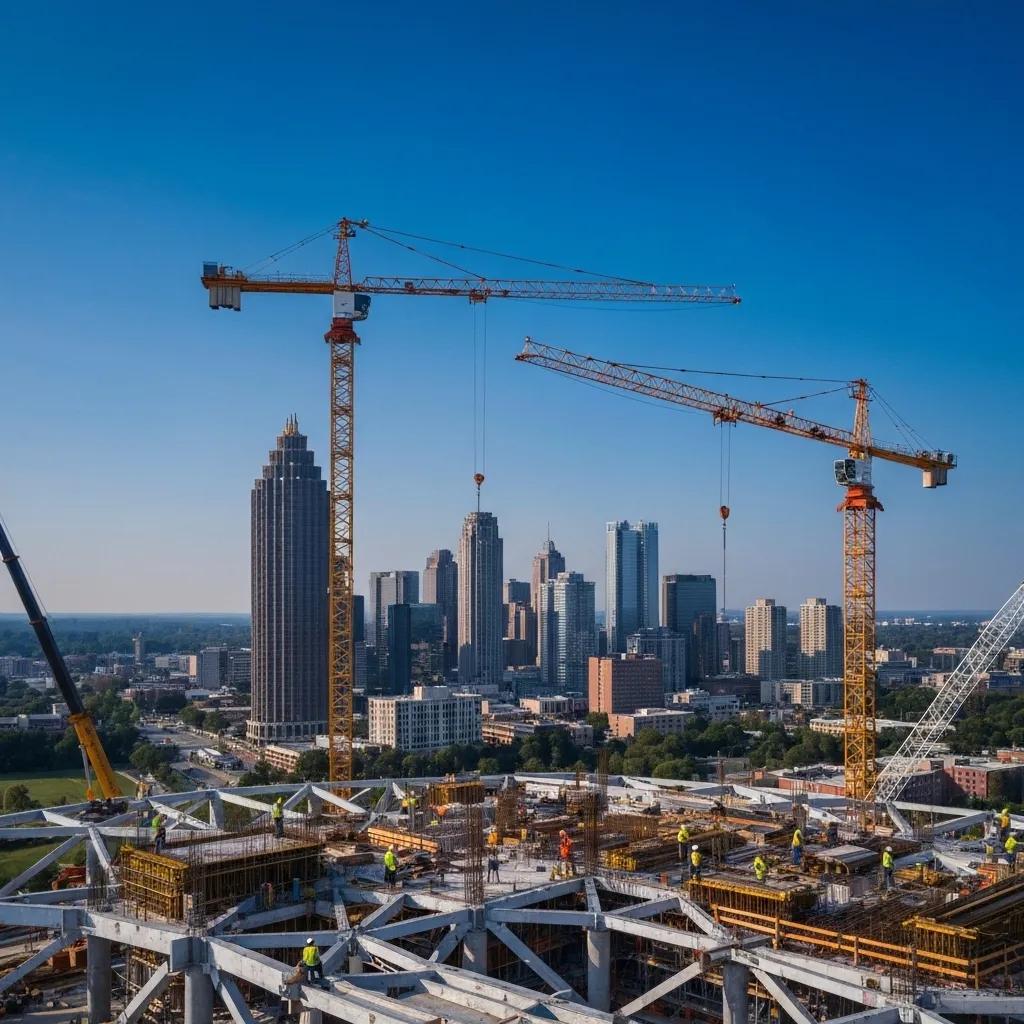
Atlanta’s booming growth and varied architectural landscape call for a sharp grasp of structural engineering basics, seen through the lens of local conditions and building rules. This guide dives into how figuring out loads, picking the right materials, knowing the codes, and smart design all come together to build safe, tough structures across Atlanta’s neighborhoods. You’ll get the lowdown on what structural engineering is all about, the key ideas that keep things standing, how Georgia’s building codes play a role, the services Strut Engineering offers, when it’s best to bring us on board, and what’s new on the horizon for Atlanta’s skyline.
Structural engineering is all about how buildings and infrastructure handle and resist forces to keep people safe and ensure they last. By looking at things like gravity, wind, and earthquakes, engineers figure out the best designs and materials to stop failures and cut down on upkeep. This is super important in Atlanta, where the city is growing so fast.
Structural engineering covers the analysis, design, and oversight of the parts of a building that hold up weight—think beams, columns, foundations, and frames. The goal is to make sure these structures can handle the loads they’re meant to. Professionals use principles from mechanics, materials science, and math to create designs that are both safe and cost-effective. They often team up with architects and builders to make sure a project looks good, works well, and is safe.
As Atlanta builds more and more skyscrapers and mixed-use developments, the load scenarios get more complicated. We’re talking about wind forces funneled between towers and the occasional seismic tremors. Top-notch structural engineering helps manage these risks by using advanced modeling. This ensures every new high-rise or pedestrian bridge fits in with the local environment and code requirements, all while keeping occupants as safe as possible.
Structural engineers in Atlanta handle five key tasks:
These responsibilities show how expert analysis and teamwork lay the foundation for safe, lasting structures that support Atlanta’s development goals.
Keeping a structure sound comes down to a few core ideas: balancing the forces acting on it, understanding what the materials can handle, and using smart geometry to prevent collapses or wear and tear. Knowing these basics helps engineers predict how a structure will perform, use resources wisely, and make it last longer.
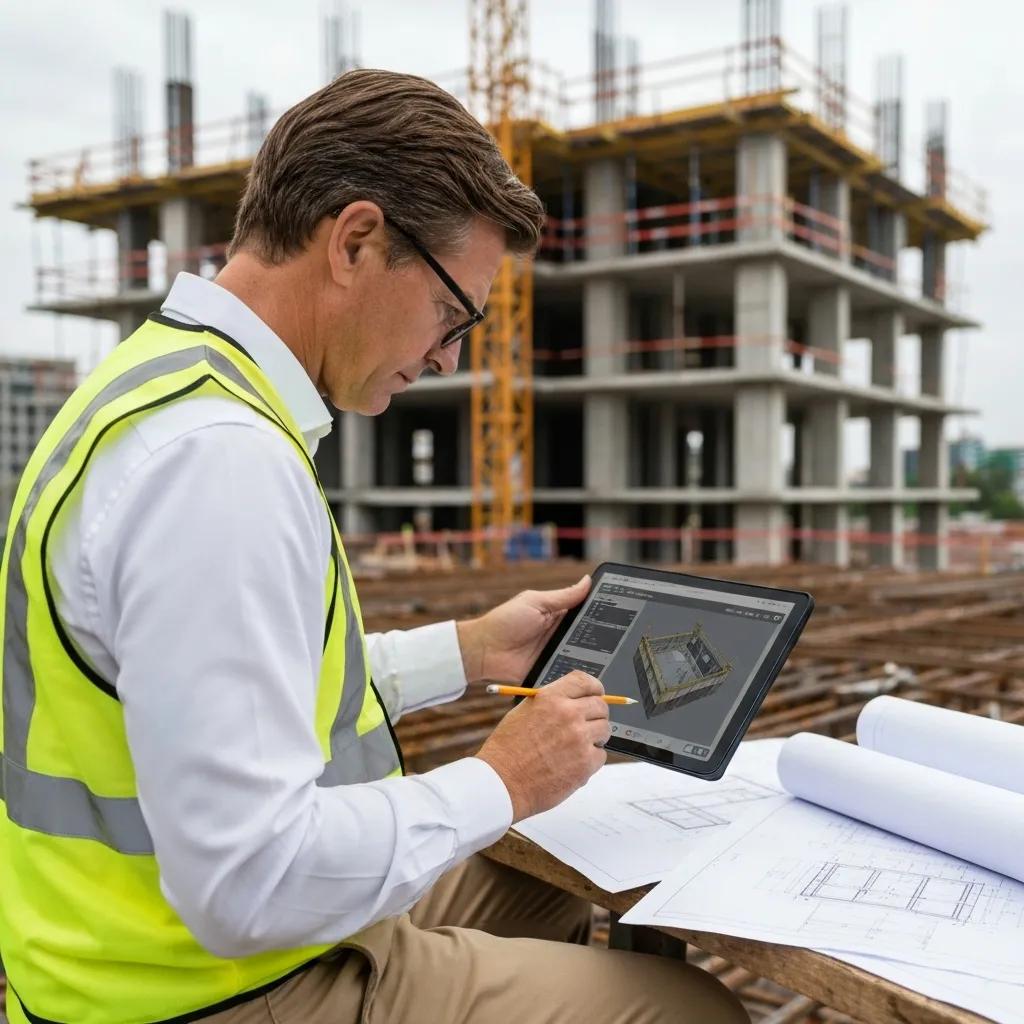
Load analysis is all about identifying and measuring the forces that act on a building’s parts and its foundation. Engineers categorize these forces as:
By running these loads through structural models, engineers can figure out the right sizes for structural members and the necessary reinforcement to ensure safety even in the most challenging scenarios. This forward-thinking approach helps prevent overstressed components and guides the creation of resilient designs.
The properties of each material influence design choices, ensuring they meet structural needs and local code requirements, leading to the best performance under Atlanta’s climate conditions.
Keeping a structure sound involves building in backup load paths, using materials that resist corrosion, and ensuring solid foundation support. Preventive steps include:
These practices help ensure buildings perform as intended over time, reducing the chance of unexpected issues and upholding Atlanta’s safety standards.
Atlanta’s adoption of the International Building Code (IBC) and International Residential Code (IRC), along with Georgia’s specific amendments, guides every structural design. Local updates address regional seismic maps, wind speeds, and material standards, requiring engineers to incorporate these provisions from the very start of a project.
The IBC, as amended for Georgia, requires:
These amendments ensure that safety factors are appropriate for Atlanta’s unique weather and geological conditions, guiding engineers to create designs that are both compliant and resilient.
The International Building Code (IBC) with Georgia Amendments sets the standard for structural design in Atlanta, dictating safety and construction rules. Local updates cover regional specifics like wind speeds and seismic activity, ensuring designs are compliant and resilient.
Georgia State Amendments to the International Building Code [6, 9, 11, 12]
This source provides details on the specific building codes and amendments that structural engineers in Atlanta must follow.
The IRC, with Georgia’s amendments, governs the construction of single-family homes and townhouses in the Atlanta metro area. It sets minimum standards for:
By enforcing these requirements, the IRC helps protect homeowners and developers from structural problems throughout a home’s life.
The International Residential Code (IRC) with Georgia Amendments guides residential construction in Atlanta, setting minimum standards for foundations, framing, and lateral bracing. These codes protect homeowners and developers from structural issues.
Georgia State Amendments to the International Residential Code for One- and Two-Family Dwellings [4, 7, 8, 13, 20]
This source highlights the importance of the IRC and its amendments in ensuring safe residential construction in the Atlanta area.
Atlanta’s clay-heavy soils and occasional heavy rains affect how foundations perform, requiring engineers to assess soil strength and drainage. Debris carried by storm winds means roof connections need to be strong, and even though it’s a low-seismic zone, base shear calculations are still needed according to IBC rules.
Addressing these factors during the design phase leads to safe, durable structures that are well-suited to local conditions.
Strut Engineering provides a full range of solutions covering every stage of a project’s structural needs—from initial concepts to investigating problems after they occur—making sure projects are successful and meet all codes.
Structural engineering firms in Atlanta offer a variety of services, including design, inspections, and project management, ensuring structures meet safety codes. They also provide expertise in BIM modeling and restoration.
LB Structural Engineering [16]
This source details the various services offered by structural engineering firms in Atlanta, which are essential for a wide range of projects.
Structural assessments and forensic investigations become crucial when:
Using forensic engineering methods allows for precise identification of failures and recommendations for repairs.
Through detailed load calculations, finite element modeling, and optimizing framing systems, structural engineering turns architectural visions into buildable realities. Getting involved early speeds up permit approvals, uncovers cost-saving material options, and reduces risks, setting up every Atlanta project for predictable results and long-term structural soundness.
Hiring a structural engineer at the right time helps avoid costly redesigns, ensures code compliance, and protects property investments—whether for large developments or smaller home projects.
Engaging a structural engineer is crucial for new construction, major additions, addressing foundation issues, and verifying structural integrity after damage. Early consultation ensures code compliance and protects property investments.
How Much Does It Cost to Hire a Structural Engineer? [14, 27]
This source offers guidance on when it’s necessary to hire a structural engineer, which is essential for project planning and safety.
Structural engineering fees in Atlanta generally fall between $100 and $200 per hour. Project-based rates vary depending on the scope:
Clear fee structures help clients budget accurately and understand the value provided through thorough analysis and professional documentation.
Structural engineering fees in Atlanta typically range from $100 to $200 per hour. Project-based rates vary, with small residential reports costing $500–$1,000 and commercial building plans costing $2,500–$10,000+.
Atlanta Structural Engineering Costs & Prices – ProMatcher Cost Report [3, 15]
This source provides information on the costs associated with hiring a structural engineer in Atlanta, which is important for budgeting purposes.
Choose a structural engineering partner by looking at:
A skilled engineer brings technical expertise, anticipates potential issues, and ensures the final deliverables match the client’s goals.
A typical consultation involves three main steps:
Open communication and phased deliverables keep clients informed at each stage, ensuring transparency and timely completion.
Atlanta’s dedication to sustainable growth and embracing new technology is pushing structural engineers to use eco-friendly materials, digital processes, and innovative designs for tall buildings.
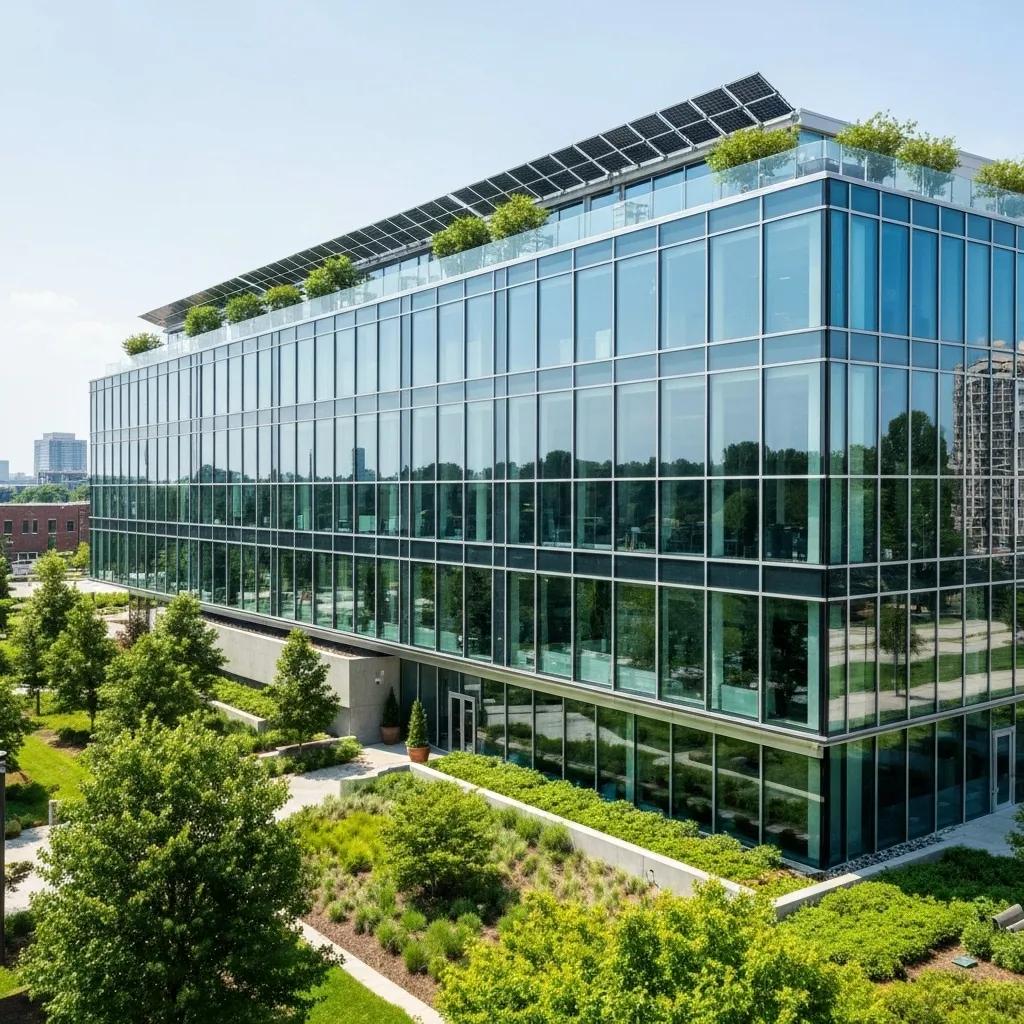
Sustainable structural design aims to lower a building’s environmental impact by choosing materials with less embodied energy, optimizing member sizes, and making buildings adaptable for future use. Using recycled steel, high-performance concrete, and engineered timber helps Atlanta meet its environmental targets and build more resilient structures.
Atlanta is increasingly focused on sustainable architectural design, integrating green materials and innovative technologies. This includes the use of recycled steel, high-performance concrete, and engineered timber to support environmental goals and building resilience.
Sustainable Architectural Design: Building a Greener Atlanta [17, 18, 21, 22, 25]
This source highlights the growing trend of sustainable design in Atlanta and its impact on structural engineering practices.
Building Information Modeling (BIM) allows for 3D coordination of structural systems, helps detect conflicts early, and provides precise material quantity estimates for high-rise projects. Atlanta’s expanding skyline benefits from BIM’s collaborative environment, which improves coordination between different disciplines and speeds up project timelines without sacrificing safety.
Current market trends include:
These innovations are making Atlanta’s built environment more efficient, durable, and adaptable.
Looking at real-world examples helps solidify your understanding of how principles are applied and showcases Strut Engineering’s skill in solving problems across various project types.
Notable local structures include distinctive mixed-use towers, pedestrian bridges over the BeltLine, and repurposed historic warehouses—each showcasing custom load solutions, material transitions, and foundation adaptations for challenging sites.
Strut Engineering uses advanced finite element modeling, thorough site investigations, and collaborative design sessions to address issues like transferring heavy loads in tight urban spaces, stabilizing soil in clay-rich areas, and meeting code requirements for seismic detailing—delivering safe, buildable results.
Clients commend Strut Engineering for their punctuality, attention to detail, and ability to simplify technical requirements. Success stories highlight how early structural input prevented costly changes, met tight deadlines, and secured permit approvals—building trust in Atlanta’s competitive construction scene.
Atlanta’s architectural landscape relies on structural engineering fundamentals that combine technical precision, code expertise, and innovative thinking. By partnering with Strut Engineering, project teams gain local knowledge in load analysis, material selection, and regulatory compliance—all contributing to safe, resilient, and sustainable structures designed for Atlanta’s unique environment. Choose smart engineering to support your next development and ensure the structural integrity your vision demands.