

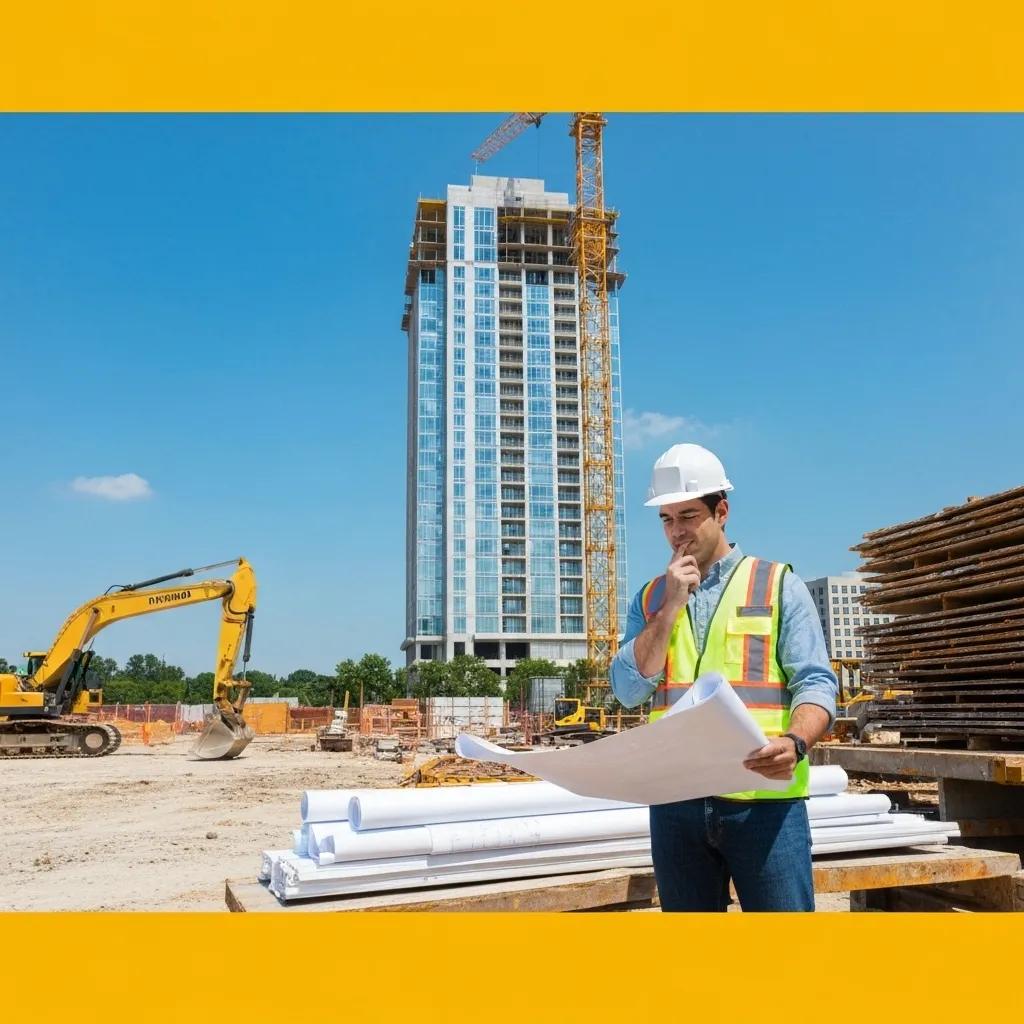
Structural engineering is the bedrock of Atlanta’s impressive cityscape, ensuring every towering structure, cozy home, and public facility stands firm against local soil conditions and weather patterns. This guide will illuminate the fundamental principles of structural design, Atlanta’s specific building regulations, common site challenges, crucial engineering services, cost considerations, and future innovations. By the end, you’ll know precisely when to call in the experts and how our local know-how can propel your project from a mere idea to a fully realized reality.
Structural engineering is all about how buildings safely manage loads, channeling everything from the roof down to the foundation. It’s a blend of physics, material science, and smart design practices. In Atlanta, this discipline ensures every project can handle dead loads (the building’s own weight), live loads (people and furnishings), the powerful winds from our thunderstorms, and even potential seismic activity. Imagine a mid-rise office building near the Chattahoochee River; it relies on meticulous load calculations and robust framing to prevent settling in the varied soil. Understanding these basics helps you appreciate how specialized designs adapt to Atlanta’s unique environment and sets the stage for key concepts like equilibrium, strength, stability, and serviceability.
Structural engineering applies physics, material science, and design best practices to ensure buildings safely manage loads. This includes accounting for dead loads, live loads, wind forces, and potential seismic activity.
This source offers a general overview of structural engineering principles, relevant to introducing the topic in this article.

A well-conceived structural design hinges on four interconnected principles:
Each principle plays a crucial role, as detailed below.
Achieving a balance among these attributes results in safe, enduring buildings that meet performance expectations and occupant needs, naturally leading into how Atlanta’s specific soil and environmental conditions influence structural decisions.

Atlanta’s signature red clay soils are known for their significant shrink-swell potential, while pockets of sandy or rocky ground require carefully tailored foundation strategies. Frequent rainfall can lead to fluctuating groundwater levels, and seasonal temperature shifts can create thermal stresses. To navigate these challenges, engineers:
By precisely matching foundation design to soil behavior and environmental factors, projects achieve lasting stability and resist differential settlement.
Atlanta’s red clay soils exhibit high shrink-swell potential, which can cause uneven ground movement. Engineers address this by performing geotechnical investigations and selecting suitable foundation systems.
This source provides valuable information on the challenges posed by expansive soils in the Atlanta area, directly relevant to the article’s discussion of local soil conditions.
Structural projects in Atlanta must adhere to the International Building Code (IBC) as adopted by Georgia, along with any state-specific amendments. Key regulations include:
Atlanta structural projects must comply with the International Building Code (IBC) as adopted by Georgia, along with state-specific amendments and local ordinances. These codes establish minimum load-resistance factors and material specifications.
This source supports the article’s discussion of building codes and regulations in Atlanta.
These codes establish minimum load-resistance factors, material standards, and safety margins. This framework ensures compliance before construction even begins, during the permitting process.
Securing a structural permit in Atlanta typically involves these steps:
This structured regulatory process safeguards design integrity and public safety. Timely adherence to these requirements prevents costly project delays, highlighting why strict code compliance is essential for building durability.
Meeting code requirements is fundamental to ensuring structures can withstand extreme events, minimizing repair expenses, and achieving their intended service life. For example, code-mandated wind-resisting systems protect building exteriors and roofs from severe thunderstorms, while seismic provisions offer a vital safety buffer during rare tremors. Failing to comply significantly increases liability risks and can invalidate insurance coverage, underscoring the absolute necessity of expert, code-driven design.
Atlanta’s expansive clays can swell when saturated and shrink during dry spells, leading to uneven ground movement. Engineers combat this by employing:
These targeted solutions maintain foundation integrity, setting the stage for discussing the structural differences between residential and commercial properties.
Residential and commercial structures present distinct load profiles and design considerations:
Understanding these differences guides engineers in applying the correct materials, design methodologies, and inspection protocols for each building type.
When a renovation in Atlanta involves removing or modifying load-bearing walls, engineers implement strategies such as:
This meticulous process preserves structural integrity while allowing for design flexibility, reinforcing why clients should prioritize professional expertise for successful remodels.
Atlanta homeowners can rely on licensed professionals for:
Many of these services are detailed on our residential structural engineering services in Greater Atlanta page, ensuring solutions are precisely tailored to your property’s needs. These services provide homeowners with clear insights into potential issues and actionable plans for repairs or improvements.
Commercial projects demand sophisticated analysis of high-rise framing, curtain wall support, and complex load transfer paths. Structural engineers collaborate closely with architects to:
This comprehensive approach is fundamental to Atlanta’s iconic downtown towers and its rapidly developing urban centers, underscoring the value of specialized engineering expertise.
Regular inspections become crucial in situations such as:
Clients can request a consultation for timely assessments that provide condition reports, risk evaluations, and recommended remediation strategies. Proactive inspections are key to safeguarding occupants and preserving property value.
Adaptive reuse projects involve repurposing existing structures for new functions—transforming warehouses into residential lofts or offices into retail spaces. Engineers play a vital role by:
This approach extends the lifespan of buildings and supports sustainable urban revitalization, effectively bridging past construction with future requirements.
Several key factors determine project costs:
Understanding these cost drivers helps clients budget effectively and select services that align perfectly with their project objectives.
Seeking professional engineering input is particularly critical for:
Engaging an engineer early in the process streamlines permitting, minimizes costly redesigns, and guarantees code-compliant, effective solutions.
A standard engineering engagement follows these distinct stages:
Transparent milestones and clearly defined deliverables keep clients fully informed from the initial design concept through to project completion.
By partnering with architects and developers, structural engineers transform visionary designs into tangible, buildable structures. Atlanta’s iconic landmarks—from the mixed-use towers of Midtown to the luxury condominiums in Buckhead—are made possible by precise load modeling, innovative material use, and stringent safety standards. This collaborative synergy not only shapes the city’s distinctive skyline but also underpins vital public infrastructure projects like pedestrian bridges and major sports arenas.
Atlanta’s engineering teams are at the forefront of:
These forward-thinking practices harmonize environmental responsibility with code compliance, positioning Atlanta as a leader in sustainable construction.
Advanced software platforms are revolutionizing the field by enabling:
These digital advancements significantly boost accuracy, reduce the need for rework, and streamline collaboration from the initial design phase through to construction completion.
The Strut Engineering team possesses an in-depth understanding of Atlanta’s specific geotechnical profiles, the intricacies of municipal permitting, and regional code amendments. You can find our office on Google Maps to discuss your project requirements in person, ensuring direct collaboration and prompt responses to any regulatory questions.
Strut Engineering offers deep knowledge of Atlanta’s geotechnical profiles, municipal permitting processes, and regional code amendments. They provide specialized engineering support to property owners, contractors, and developers throughout the metro area.
This source validates the article’s claims regarding Strut Engineering’s local expertise and service offerings.
We build confidence through:
This structured methodology fosters transparent communication and consistently delivers resilient, cost-effective engineering solutions.
Our project portfolio includes:
For project highlights and professional updates, visit our LinkedIn page, where case studies and engineering insights demonstrate our commitment to innovation.
For the latest on our community involvement, project milestones, and technical articles, follow Strut Engineering on Facebook. We welcome your inquiries and look forward to partnering with you on your next Atlanta project.