

Florida structural engineering is different from structural engineering anywhere else in the country. The Florida Building Code is among the strictest in the nation. The High-Velocity Hurricane Zone (HVHZ) in Miami-Dade and Broward counties imposes some of the most demanding design requirements in the United States. Wind-borne debris region requirements shape how openings are designed across the coastal counties. Soil conditions range from soft Everglades muck to limestone bedrock. And every storm season reminds engineers and building owners why all of this matters.
This guide explains how structural engineering works under Florida’s unique code environment, what FBC actually requires, how the HVHZ differs from the rest of the state, what “wind-borne debris region” means in practice, and what property owners, developers, and contractors should expect from a Florida structural engineer. Whether you’re working in Miami, Orlando, Tampa, Key West, or anywhere else in the state, this is the context you need.
Three factors make Florida unique from a structural engineering standpoint:
Florida adopted a unified statewide building code after Hurricane Andrew in 1992 demonstrated that county-level enforcement was inconsistent and that poor construction was a major contributor to storm damage. The FBC is updated on a three-year cycle and is among the most progressive and most strictly enforced building codes in the country.
As of 2026, the applicable FBC edition has typically moved through several cycles. Each new edition tightens requirements, incorporates lessons from recent storms, and aligns with newer editions of national standards like ASCE 7 (the structural loading standard).
Key structural provisions of the FBC:
Florida uses ASCE 7 wind load provisions with FBC modifications. The result is some of the highest design wind speeds in the country:
The wind-borne debris region (WBDR) covers areas where wind speeds are high enough that debris carried by the wind can become a projectile hazard. Within the WBDR:
WBDR extends well beyond just Miami-Dade. It includes most of the Florida coast and significant inland areas in South Florida. Verifying whether a project is within the WBDR is one of the first steps in Florida structural design.
The HVHZ covers Miami-Dade and Broward counties. Within the HVHZ, the code is even more demanding than the standard FBC. HVHZ-specific requirements include:
HVHZ work requires familiarity with the specific requirements. Engineers who don’t regularly work in Miami-Dade or Broward can make code interpretation errors that cost weeks of rework.
Florida code requires a continuous load path from the roof to the foundation, meaning every structural element must connect to the next in a way that transfers wind uplift and lateral forces through the building without any breaks in the chain. Missing hurricane clips, inadequate roof-to-wall connections, and missing wall-to-foundation attachments are all continuous load path failures. These are among the most common construction defects we investigate in Florida forensic engineering cases.
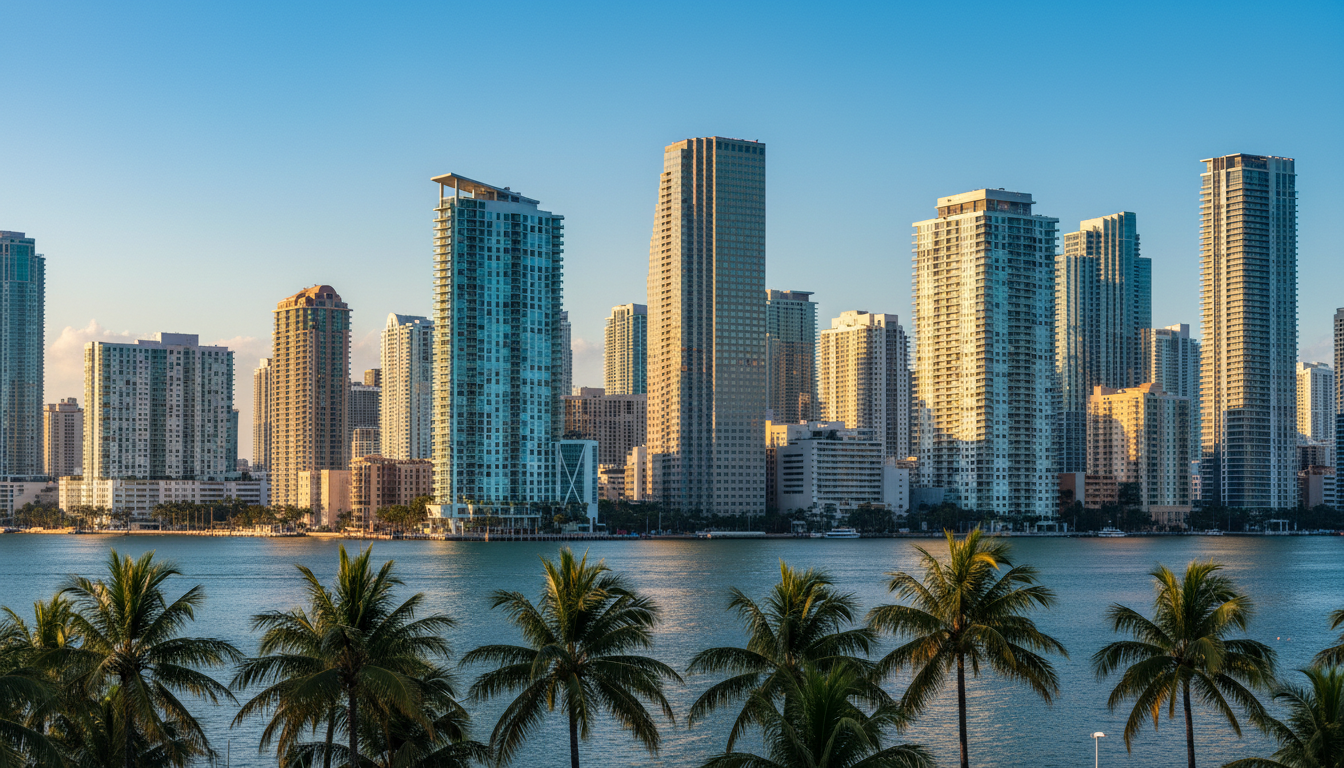
Miami is the center of Florida structural engineering — both the largest market and the most technically demanding. Within the HVHZ, with some of the highest design wind speeds in the country, Miami projects require engineering discipline that’s distinct from most other U.S. cities.
Common project types in Miami:
– High-rise condominium and hotel construction (Brickell, Downtown, Miami Beach)
– Adaptive reuse and historic rehabilitation in Coral Gables, Little Havana, and South Beach
– Commercial office development
– Residential luxury homes in Coconut Grove, Pinecrest, and Key Biscayne
– Post-storm forensic investigation and repair
– Condominium construction defect litigation (a major category of legal work)
Structural considerations: HVHZ wind loads, wind-borne debris protection, corrosion-resistant materials near the coast, seismic consideration (low but present), and extreme attention to continuous load path.
Orlando and Central Florida have lower wind loads than the coastal regions but still operate under the FBC with full hurricane considerations. Orlando’s structural engineering market is driven by:
Orlando’s soil conditions are generally sandy with local variations. Wind loads are significant but less extreme than coastal Florida. The city is outside the HVHZ but still subject to full FBC requirements.
Tampa sits on the Gulf Coast with significant hurricane exposure and steady population growth. Tampa Bay includes Tampa proper, St. Petersburg, Clearwater, and surrounding communities. Our Tampa practice includes:
Tampa is within the wind-borne debris region but outside the HVHZ. Structural design has to account for high wind loads and windborne debris protection but not the HVHZ’s additional product approval requirements.
Key West has some of the most extreme wind design requirements in the entire country. Combined with salt-laden air, high water tables, and limited bearing soils on coral bedrock, Key West projects are among the most demanding we handle. Structural engineering in the Keys means:
A structural engineer who works in Key West has to understand not just wind loads but also the corrosion environment and the logistics of delivering materials and equipment to the Keys.
Across all Florida markets, the most common project types we see:
Office, retail, hospitality, and mixed-use construction in every major Florida metro. FBC applies from permit through final inspection. Structural engineering is a significant component of the project from design through construction administration.
Florida has one of the largest concentrations of residential high-rise construction in the country, particularly along the Atlantic and Gulf coasts. Condominium projects are structurally complex and, increasingly, subject to significant defect litigation when construction quality is inadequate.
After every major storm, structural engineers perform damage assessments, design repairs, and certify reconstruction work. This is one of our most active service lines in Florida — and also one of the most time-sensitive.
South Beach Art Deco, Coral Gables Mediterranean Revival, Ybor City industrial, and Key West Conch houses all represent significant historic building stock. Rehabilitation has to respect historic character while meeting modern code requirements — a challenging combination.
Florida’s combination of abundant sun and growing electricity costs has made it one of the strongest solar markets in the country. Structural engineering for solar in Florida is demanding because the high wind loads drive attachment and uplift analysis. Commercial rooftop solar in Florida typically requires full structural engineering, not just a simple PE letter.
Condominium construction defect cases, post-storm insurance disputes, and building failure investigations are all major categories of forensic work in Florida. The combination of dense construction, hurricane exposure, and active litigation creates sustained demand for qualified expert witnesses.
A few considerations when hiring:
What is the HVHZ and do I need it for my project?
The HVHZ (High-Velocity Hurricane Zone) covers Miami-Dade and Broward counties. If your project is in either of these counties, HVHZ requirements apply. If your project is elsewhere in Florida, standard FBC applies but not HVHZ.
Do all Florida counties have the same building code?
Yes — Florida uses a single statewide Florida Building Code, so the baseline requirements are consistent. However, wind load values, exposure categories, and some site-specific provisions vary by location, so the same code results in different structural requirements from Pensacola to Key West.
What’s the difference between the FBC and the IBC?
The Florida Building Code (FBC) is based on the International Building Code (IBC) with Florida-specific amendments. Most of the amendments make requirements stricter — especially for wind loads, hurricane design, and product approvals. Engineers working in Florida must know both the base IBC and the Florida amendments.
How much does a structural engineer cost in Florida?
Florida structural engineering fees depend heavily on scope, complexity, and market. Projects in the HVHZ typically command higher fees than projects outside, reflecting the additional engineering work required. The Florida Keys and coastal markets also carry premiums for similar reasons. See our cost guide for what drives pricing.
Is my existing Florida building up to current code?
Probably not, if it was built before the current FBC edition. Older buildings may lack current continuous load path requirements, wind-borne debris protection, or other modern features. Existing building rehabilitation work often triggers upgrade requirements for at least the areas affected.
What should I do with my Florida building after a hurricane?
Call a licensed structural engineer for an inspection before you do any repairs or reopen the building for occupancy. A written structural assessment documents the condition, distinguishes storm damage from pre-existing issues (important for insurance), and establishes safe reoccupancy.
Can one structural engineer work on a project across multiple Florida counties?
Yes — Florida PE licensure is statewide, not county-by-county. A single Florida PE can work in Miami, Tampa, Orlando, Jacksonville, and Key West on the same day. Local permit procedures vary by county and municipality, but the licensing and the code base are uniform across the state.
Planning a project anywhere in Florida? Strut Engineering & Investment, Inc. provides structural engineering services across the state — from HVHZ high-rises in Miami to hospitality projects in Orlando to Gulf Coast commercial in Tampa to historic rehabilitation in Key West. Contact our Florida team for a project consultation.